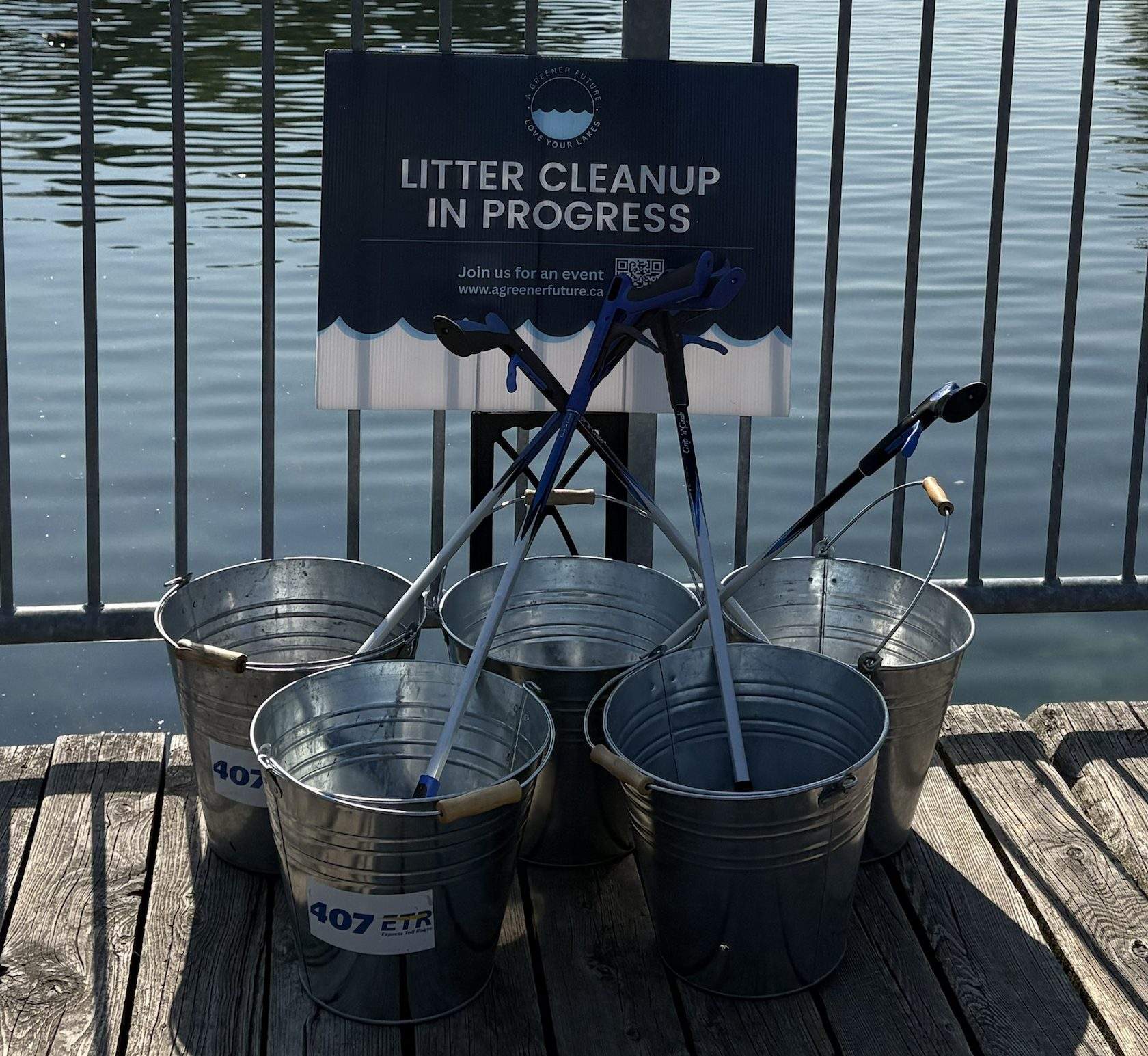
A grassroots environmental group across the Greater Toronto Area is closing in on a staggering milestone of 10 million pieces of litter collected from parks, ravines, and watersheds. It sounds like a triumph of community spirit, but a closer look reveals a grim reality. Volunteer labor has effectively become an unpaid subsidy for municipal inaction and corporate waste generation. While cleanup crews haul hundreds of thousands of pounds of discarded plastic from public spaces, the sheer volume of incoming garbage continues to outpace human hands.
The numbers are vast, yet the fundamental problem remains untouched. Garbage is produced faster than any army of volunteers can pick it up.
The Illusion of Progress on Toronto Streets
When a local initiative announces millions of items collected, public applause naturally follows. Municipal leaders hand out certificates of appreciation, local media runs feel-good segments, and corporate sponsors slap their logos on high-visibility vests.
Yet this celebration masks a structural breakdown in city logistics.
Litter collection totals serve as a metric of failure rather than success. If an organization reaches 10 million pieces of gathered trash, it means 10 million pieces of trash were dumped into the environment in the first place. The focus stays entirely on post-consumer remediation rather than source reduction. City councilors routinely praise community cleanups because every bag filled by a resident is a bag the municipal budget does not have to pay a unionized city worker to collect.
Consider the mechanics of municipal waste flow. A single-use coffee cup dropped on a downtown sidewalk in Toronto travels through storm drains directly into Lake Ontario unless intervention occurs. A volunteer scooping that cup out of a creek bed prevents microplastic contamination in the immediate water supply, which is necessary work. But that same volunteer does nothing to prevent the coffee chain down the street from handing out 5,000 more non-recyclable cups that same afternoon.
The labor is endless. It is a bucket used to bail out a leaking ship while the crew refuses to patch the hull.
Follow the Plastic Trail to Corporate Exemption
To understand why urban spaces remain choked with debris despite millions of hours of volunteer effort, look at extended producer responsibility laws. For decades, consumer goods companies shifted the financial and logistical burden of packaging disposal onto taxpayers and local governments.
When municipal systems failed to catch every item, citizen groups stepped into the void.
This dynamic creates a moral hazard. By absorbing the visible costs of pollution, volunteers protect the companies that create the waste from public backlash. If every piece of packaging remained on the street, clogging drains and rotting in public parks, citizens would demand immediate regulatory action against packaging manufacturers. Instead, community groups neatly sweep the problem away every weekend, resetting the canvas for another week of unrestrained disposal.
The Canadian packaging ecosystem relies on this silent buffer. Corporations contribute minimal fees toward end-of-life processing compared to the actual ecological footprint of their products. Until regulations mandate strict packaging redesigns or impose heavy levies directly tied to volume, the financial incentive points toward cheap, non-degradable single-use materials.
Municipal Budgets and the Siphoning of Public Services
Toronto's infrastructure budgets face constant pressure. Infrastructure repairs, transit operations, and housing support compete for limited property tax revenue. Waste management often gets squeezed, leading to reduced bin emptying schedules, fewer public waste receptacles in high-density parks, and deferred maintenance on runoff catchments.
Volunteers inadvertently mask these budget shortfalls.
- Decreased bin service frequency: Parks departments reduce weekend collection shifts knowing community groups will haul away excess garbage.
- Reduced public infrastructure investment: Cities delay installing storm drain catchment nets because manual creek cleanups cover the gap.
- Offloaded liability: Non-profits assume the injury risks associated with handling sharp objects, toxic chemicals, and hazardous materials along riverbanks.
The financial trade-off is stark. An unpaid volunteer crew spending four hours along the Don River saves the municipal treasury thousands of dollars in staff overtime. That money gets reallocated elsewhere, while the systemic cause of the littering stays off the city council agenda.
The Physical and Psychological Toll on Communities
Urban environmental groups operate on passion, but burnout is structural. Organizing thousands of individual collection events requires immense logistical effort, software subscriptions, insurance coverage, and equipment procurement.
Eventually, fatigue sets in.
Volunteers return to the exact same ravine month after month, year after year, only to find the same brand of fast-food wrappers and plastic bottles scattered across the dirt. The psychological burden shifts from empowerment to helplessness. The continuous effort creates an illusion that the public is taking control of its environment, when in reality, the public is being tasked with an impossible custodial duty.
A systemic problem cannot yield to an individual solution. A city cannot outsource its basic sanitation duties to well-meaning citizens equipped with grabber tools and garbage bags.
Real Solutions Require Structural Friction
Fixing urban waste pollution means abandoning the reliance on volunteerism as a primary strategy. Cities must implement hard operational changes that disrupt the flow of trash at the border of the market.
First, municipalities must institute mandatory deposit-return systems for all beverage containers, including single-use plastic water bottles and coffee cups. Jurisdiction after jurisdiction proves that high deposit values immediately drive recovery rates above 90 percent, transforming discarded trash into a resource with monetary value.
Second, local governments need to enforce direct financial penalties on major commercial waste generators whose un-recyclable packaging dominates city litter audits. If a specific fast-food corporation accounts for 15 percent of all branded trash pulled from local waterways, that corporation should receive a direct invoice for the city cleanup costs.
Stop relying on the goodwill of citizens to clean up the mess left by unchecked commercial distribution. Put down the grabber tools, log off the volunteer portals, and force city halls to handle the trash themselves.