The drive-thru lane is a monument to modern isolation. We pull up in our climate-controlled cocoons, tap a plastic card against a cold machine, stare fixedly at a dashboard screen, and grunt our orders to a disembodied voice trapped behind a speaker box. Efficiency is the god of the asphalt queue. Speed is the liturgy. Nobody looks up. Nobody sees the person handing over the grease-stained brown bag.
Except when they do.
Picture a Tuesday afternoon in Florida. The heat hangs heavy enough to chew, pressing down on the asphalt like a hot iron. Ken Ahrens pulled his car into a local Wendy’s. He was just a guy wanting a quick lunch. Nothing cinematic. No grand philosophical quest. Just an appetite and a steering wheel.
Then he saw her.
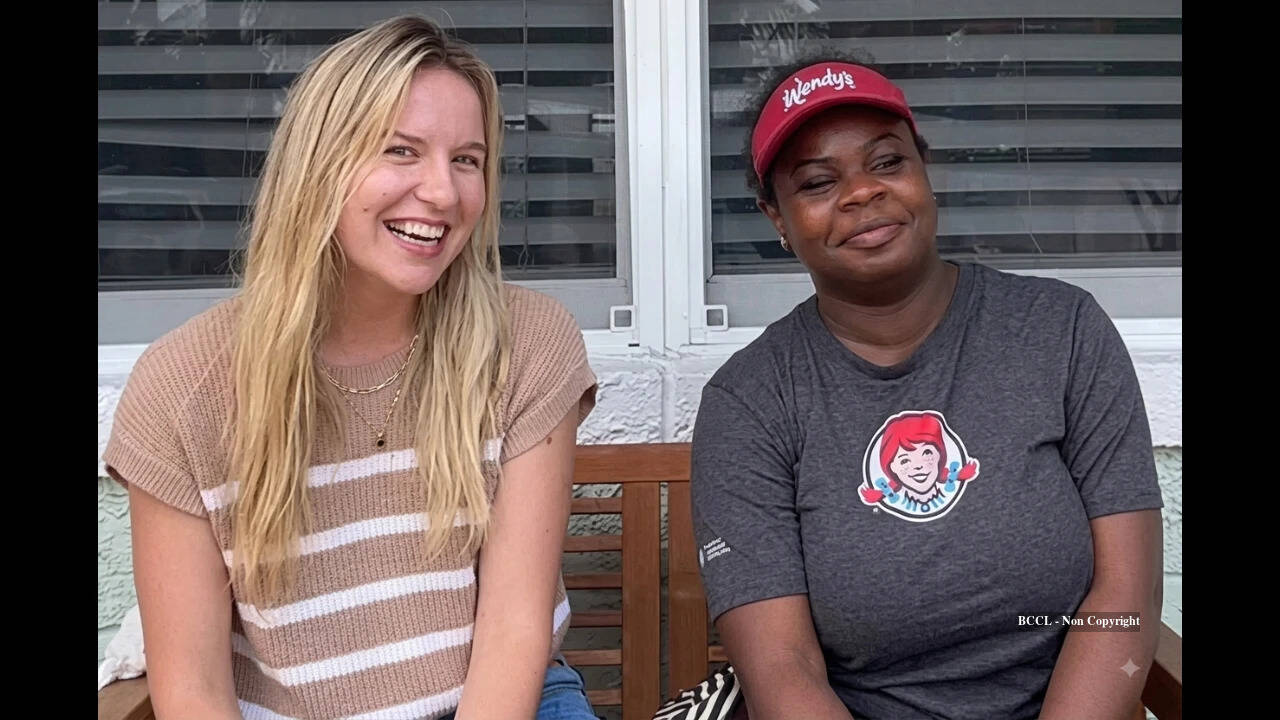
Her name was Katie. She was working the drive-thru window. Now, stop for a second and think about what that job actually demands. It requires standing for hours on aching feet, breathing in recycled frying oil, absorbing the casual rudeness of tired motorists, and smiling through it all for wages that barely scrape the floor of survival. Most of us look right through people like Katie. We treat them as human extension cords for our convenience.
Ken did not look through her.
He looked at her. He saw the fatigue etched around her eyes, the posture of someone carrying an invisible backpack full of heavy stones. And instead of driving off into the traffic, he paused. He struck up a conversation. Not a transactional nod, but a real human exchange. He asked how her day was going. He listened to the answer.
What happened next shatters the cynical narrative we are constantly sold about human nature.
Ken didn't just drive away. He came back. He invited her to lunch.
That single, radical act of noticing another human being unlocked a chain reaction that no algorithm could predict. Over lunch, Ken learned about Katie’s life, her struggles, and the quiet walls closing in around her future. He didn't offer empty platitudes. He didn't offer a polite pat on the back and a wish of good luck. He decided to act.
Ken set up a GoFundMe campaign. He shared her story with the world, stripping away the anonymity of the fast-food uniform to reveal the person underneath.
The internet is often a sewer of rage and division, a place where we go to yell at shadows. But every once in a while, it becomes something else entirely. It becomes a megaphone for empathy.
People clicked. People read. People remembered what it felt like to struggle.
Within days, the total climbed. One hundred dollars. A thousand. Five thousand. When the dust finally settled, the chance meeting at the Wendy's drive-thru window had raised thirteen thousand dollars.
Thirteen thousand dollars. Let that number sink in. It is not just money. It is breathing room. It is the weight lifting off a chest. It is a car repair, a stack of bills paid, a sudden, blinding ray of light cutting through months of darkness. All because one customer decided to treat a fast-food worker like a neighbor instead of a vending machine.
We live in an era that trains us to stay in our lanes. We are told to mind our own business, to protect our energy, to keep our eyes fixed forward. We are terrified of vulnerability. We are suspicious of kindness because we assume there is always an angle, a hidden catch, a scam waiting in the wings.
Katie’s story exposes the lie in that cynicism.
Consider what happens when we drop our guard. A random Tuesday transforms into a life-altering pivot. A stranger becomes a lifeline.
We forget how fragile people are. Underneath the crisp uniforms, the branded name tags, the professional facades, and the weary smiles, almost everyone you pass today is fighting a battle you know nothing about. They are worrying about rent, grieving a loss, nursing a secret illness, or wondering how they are going to afford groceries next week.
Ken Ahrens didn't possess a magic wand. He didn't have millions of dollars to throw at a structural societal failure. He had something much more accessible, and infinitely more dangerous to the status quo: he had attention. He paid attention.
We spend billions of dollars on technology designed to connect us, yet we have never felt more profoundly alone. Social media feeds us curated perfection while starving us of actual presence. We scroll through millions of faces a year and remember none of them.
Then a man buys a burger, talks to the person at the window, and changes a life.
The math of kindness is absurd. It defies logic. A minute of conversation yields thirteen thousand dollars of relief. A smile sparks a tidal wave of generosity from total strangers scattered across the globe.
Think about the next time you pull up to a counter. The next time you wait in line behind a slow register. The next time someone makes a mistake with your order or looks away when you approach.
The temptation is always to sigh, to check your watch, to broadcast your minor inconvenience to the universe.
Resist it.
Look up. Say a real hello. Ask a question and wait for the answer. Acknowledge that the person serving you has a mother, a history, a heart, and a mountain of private struggles. You might not start a viral fundraising campaign. You might not hand over a five-figure check.
You might just remind someone who is ready to give up that they are still visible.
And sometimes, that is worth more than money ever could be.