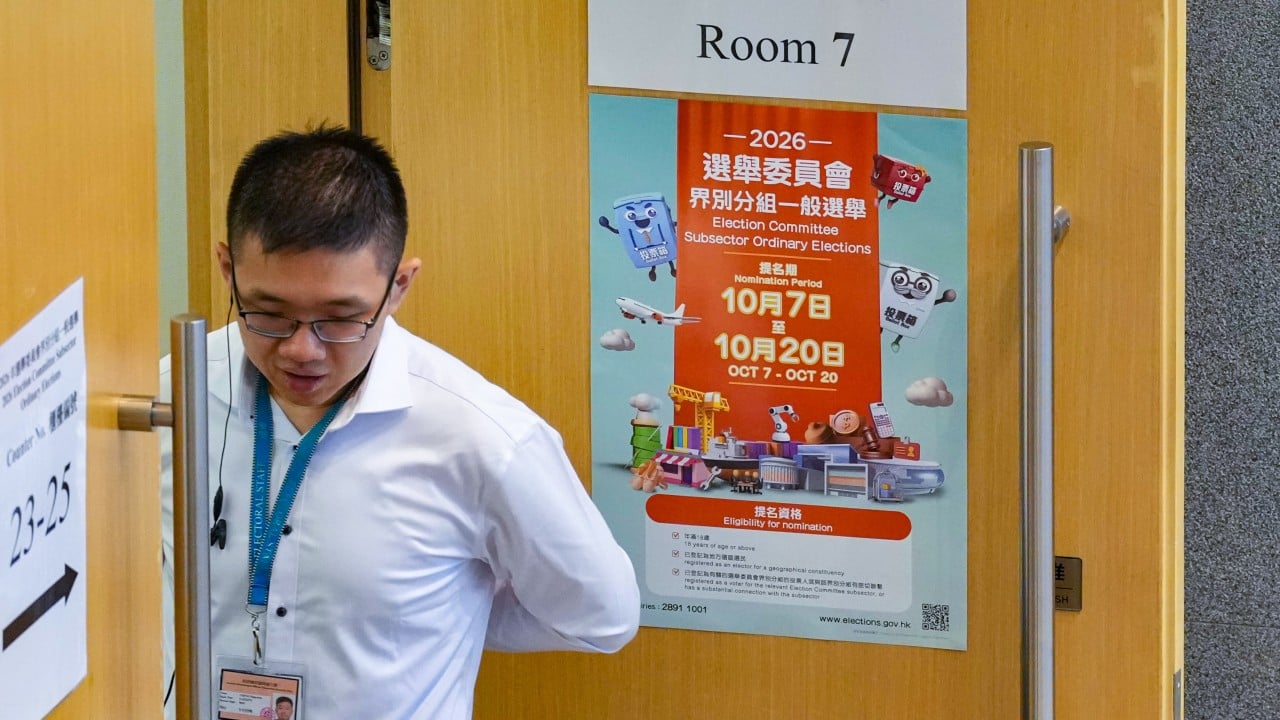
More than 300 people just threw their hats into the ring for Hong Kong’s Election Committee subsector by-elections, and honestly, most outside observers are missing the real story. If you only glance at the headline, it looks like routine bureaucratic housekeeping. It's not.
When over 300 hopefuls step forward to fill vacancies on the body that picks Hong Kong’s Chief Executive and nominates lawmakers, you're watching the city's revamped political machinery stress-test itself in real time. I've tracked Hong Kong's electoral shifts closely since the 2021 overhaul, and the sheer volume of nominations tells you something crucial about how local power brokers are positioning themselves right now. Don't forget to check out our previous article on this related article.
Let's break down what's actually happening behind those numbers, who is signing up, and why this race carries weight far beyond a standard administrative fill-in.
What the Election Committee Actually Does Today
To understand why 300-plus candidates care about these seats, you have to look at what the Election Committee became after Beijing's 2021 electoral reforms. Before those changes, the committee had 1,200 members and mostly focused on selecting the Chief Executive. Today, it's a 1,500-seat powerhouse divided into five sectors and 40 subsectors. If you want more about the context of this, Al Jazeera provides an excellent summary.
Its reach is massive. Members don't just pick the city's top leader anymore. They also elect 40 of the 90 seats in the Legislative Council (LegCo) directly, and every single LegCo hopeful needs nominations from all five sectors of this committee just to get on the ballot.
Think about that gatekeeping power. If you want a serious political career in Hong Kong, or if your business sector wants a direct line to policy decisions, sitting on the Election Committee isn't optional. It's the main table.
Vacancies pop up regularly. Members resign, take government posts, pass away, or step down due to shifting organizational roles. When enough seats open up across various subsectors, the Registration and Electoral Office (REO) opens a nomination window for a by-election to top up the ranks ahead of major legislative and executive cycles.
Breaking Down the Rush of 300-Plus Hopefuls
So why did more than 300 candidates rush to submit forms during this nomination period? It comes down to three distinct pressures happening simultaneously in Hong Kong's political ecosystem.
First, competition inside the "patriots administering Hong Kong" framework has gotten surprisingly fierce. A common misconception abroad is that removing traditional opposition parties ended electoral competition in the city. In reality, it shifted the battleground inward. Business chambers, clan associations, labor unions, and Beijing-aligned political parties like the Democratic Alliance for the Betterment and Progress of Hong Kong (DAB) and the Business and Professionals Alliance for Hong Kong (BPA) are all fighting for influence within the same tent.
Second, timing is everything. With major legislative cycles looming on the calendar, organizations can't afford to leave their allotted seats empty. Having an active, voting representative on the committee gives a trade association or grassroots federation leverage when drafting policy proposals or backing specific LegCo candidates.
Third, individual ambition plays a huge role. For younger professionals, lawyers, accountants, and district-level organizers, winning a subsector seat is the cleanest resume builder available. It puts you in the room with tycoons, university heads, and senior officials.
Which Subsectors Draw the Biggest Crowds
Not every subsector works the same way. Some seats are filled through automatic ex-officio status, while others rely on designated bodies or direct voting by corporate and individual electors within specific industries.
Historically, the fiercest battles happen in the commercial, industrial, and professional sectors. Groups representing import and export trades, textiles, catering, legal professionals, and engineering tend to see heavy jockeying. Grassroots associations and district committees—which gained massive representation under the 2021 restructuring—also draw huge numbers of nominees because local community leaders use these races to prove their mobilization strength.
When you see the total tally cross 300, it means multiple subsectors are heading toward contested races rather than uncontested walkovers. That's a deliberate goal of the current administration. Officials want visible, competitive races to demonstrate public participation and institutional vitality.
Common Misconceptions About These By-Elections
If you read casual commentary on social media, you'll run into plenty of bad takes about how these elections function. Clearing up a few of those myths helps put the 300-candidate figure into proper perspective.
Myth 1: Anyone can walk in and run in any subsector.
Not even close. You need tight ties to the specific sector you're targeting, and more importantly, you have to clear a rigorous vetting process. Every nominee goes through the Candidate Eligibility Review Committee (CERC), chaired by senior government officials, which checks whether candidates uphold the Basic Law and bear allegiance to the Hong Kong Special Administrative Region. Plus, you have to collect valid nominations from registered voters within your own subsector just to qualify.
Myth 2: By-elections are low-stakes placeholders.
People often assume a by-election seat carries less clout than a general election seat. That's completely false. Once sworn in, a by-election winner holds the exact same voting weight, nomination rights, and term duration as someone elected in the main cycle. In tight legislative nomination races, a handful of Election Committee votes can make or break a candidate's campaign.
Myth 3: Voter turnout is measured like a general public election.
Unlike geographical constituency races where millions of everyday residents cast ballots, most Election Committee subsectors use corporate voting or restricted elector pools made up of licensed professionals, association directors, and designated representatives. Turnout percentages in these subsectors routinely hit 80% to 90% or higher because the voter base consists of institutional stakeholders who treat voting as a core business duty.
Why Business Leaders and Investors Pay Close Attention
You might wonder why an analyst in Singapore, London, or New York would care about a Hong Kong subsector nomination count. The answer is policy predictability.
Hong Kong's economy is navigating structural headwinds—shifting global trade flows, high interest rates, property market adjustments, and fierce regional competition. The people sitting in the commercial, financial services, technology, and real estate subsectors of the Election Committee are the exact voices advising the Chief Executive on tax incentives, talent visas, Northern Metropolis infrastructure spending, and regulatory tweaks.
When over 300 candidates compete for spots on this body, international firms watching Hong Kong look closely at who is winning. Are seats going to traditional property and banking conglomerates, or are tech entrepreneurs, mainland-linked enterprises, and green finance executives gaining ground? The makeup of the committee acts as an early warning system for where government subsidies and legislative priorities will flow over the next two years.
What Happens After the Nomination Window Closes
Filing paperwork is only the opening bell. Once the Registration and Electoral Office wraps up the nomination intake, the machinery moves quickly through several strict checkpoints before a single ballot is cast.
- Vetting by the Candidate Eligibility Review Committee. The CERC reviews every single nominee's background, public statements, and organizational ties. Only candidates who pass this national security and loyalty screening get gazetted as valid nominees.
- Uncontested vs. Contested Declarations. If a subsector has three open seats and only three candidates pass vetting, those three are declared elected immediately without a poll. Where valid nominees exceed available seats, the race heads to the ballot box.
- Targeted Campaigning. Forget street-corner loudspeakers and massive public rallies. Campaigning in Election Committee subsectors happens through closed-door forums, industry luncheons, policy pamphlets mailed to corporate electors, and direct lobbying of association boards.
- Polling Day and Counting. Registered corporate and individual voters cast their ballots at designated polling stations, usually on a Sunday, with results announced within hours of polls closing.
How to Track the Real Winners as the Race Unfolds
If you're following Hong Kong politics, business policy, or Greater Bay Area integration, don't stop at the headline nomination count. Watch the official gazette notices published by the Registration and Electoral Office over the coming weeks to see which subsectors actually end up contested versus uncontested.
Pay close attention to the candidate lists in the technology and innovation, financial services, and district organization subsectors. Tracking which industry associations successfully place their nominees onto the committee will tell you far more about Hong Kong's upcoming legislative agenda than any press release ever could.


