(Old).jpg)
A plastic chair in a humid Dhaka alleyway. A frozen pub bench in South London. A concrete step in Buenos Aires, slick with spilled beer and sweat.
On any given Tuesday during the World Cup, these three disparate coordinates fuse into a single, hyper-connected nervous system. The world doesn't just watch this tournament. It breathes it. It bleeds it.
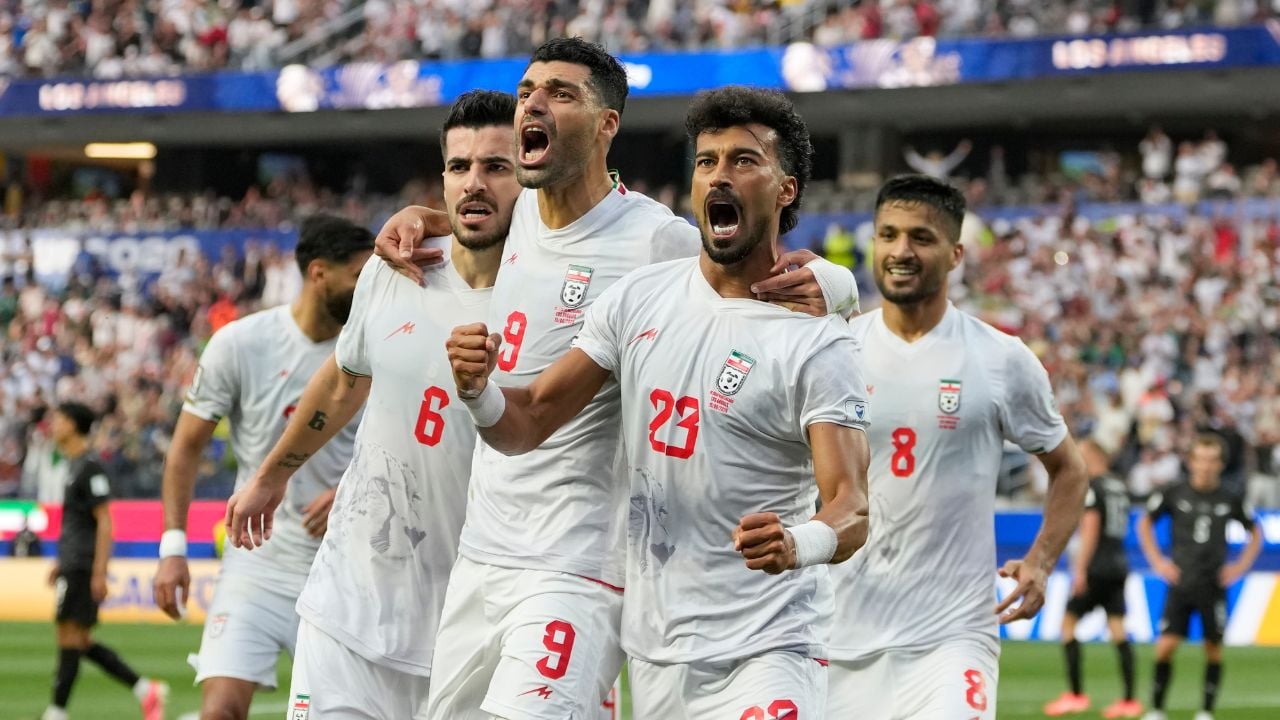
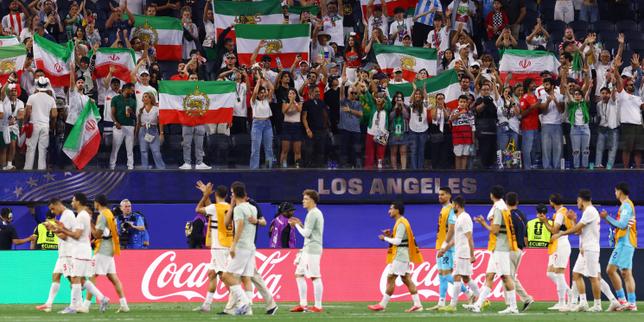
The traditional media likes to report on this phenomenon with dry, predictable metrics. They tell us that 3.57 billion people watched the 2018 tournament, or that FIFA projected over 5 billion tuned in for 2022. They print photographs of crowds wearing face paint, jumping in unison, holding flags. It looks colorful. It looks fun.
But it misses the point entirely.
To understand the global grip of the World Cup, you have to look past the stadium architecture and the broadcast rights packages. You have to look at the invisible stakes. You have to look at the human cost of caring about something this deeply. Because for ninety minutes at a time, a ball rolling across grass ceases to be a sport. It becomes a proxy war for identity, a secular church, and a desperate search for belonging in a world that feels increasingly fragmented.
The Geography of Anxiety
Consider a hypothetical fan named Mateo. He lives in a crowded apartment on the outskirts of Rosario, Argentina. He works six days a week at a logistics firm. His wages are routinely eaten alive by inflation. His daily life is a grind of compromise and calculation.
But today, Mateo is wearing a faded sky-blue and white jersey with a number 10 ironed onto the back. For the next two hours, his personal anxieties are entirely replaced by a collective, existential dread.
This is not simple entertainment. Entertainment relaxes you. This makes Mateo’s chest tight. It makes his hands shake. When his national team concedes a goal, the silence in his neighborhood isn't just quiet; it is heavy, suffocating, and grief-stricken.
Why do we do this to ourselves? Why do millions of Mateos across the globe willingly tie their emotional well-being to the physical actions of eleven young millionaires running around a field thousands of miles away?
The answer is historical, deeply psychological, and rooted in our evolutionary need for tribal connection. In modern society, most of our tribes have dissolved. We sit behind screens, insulated and isolated. The World Cup is one of the last remaining vehicles capable of manufacturing instant, unadulterated mass empathy.
When Argentina scores, Mateo doesn't just celebrate. He hugs a stranger. He screams into the sky. He experiences a moment of pure, unburdened catharsis that his ordinary life rarely provides. The victory doesn't fix his country's economic woes. It doesn't pay his rent. But for a fleeting moment, it validates his existence on a global stage. It says: We are here. We matter.
The Echo Chamber of the Subcontinent
Move the map. Look at Bangladesh.
Geographically and culturally, Dhaka is nearly ten thousand miles away from Buenos Aires. Bangladesh has never qualified for a World Cup. Their national team sits low in the global rankings. Yet, during the tournament, the skyline of Dhaka transforms into a sea of Argentine and Brazilian flags.
Giant screens are erected in narrow streets. Rickshaw drivers paint their vehicles in the colors of nations they will likely never visit. Fights break out between rival neighborhoods over teams from South America.
To an outsider, this looks like madness. Why possess such fierce, uncompromising loyalty to a flag that isn't yours?
It happens because the World Cup operates on an emotional currency that transcends borders. For fans in the Global South, adopting a football powerhouse is not bandwagon behavior; it is a form of cultural alignment. It is about choosing a narrative of beauty, struggle, and triumph over adversity that resonates with their own lived experiences.
When you see a kid in a Dhaka slum weeping because Brazil hit the post, you are witnessing the demolition of distance. The tournament creates an alternate reality where a shared passion can bridge immense gaps in wealth, language, and geography. It is a masterclass in human projection.
The Frozen Pub and the Weight of History
Now, shift the perspective to a pub in Leeds, England.
The air smells of stale stout and damp coats. The crowd here is older, more cynical. They have been conditioned by decades of near-misses, heartbreak, and cultural disillusionment. The English relationship with the World Cup is entirely different from the feverish optimism found in South America or Asia. Here, it is an exercise in generational trauma.
A father sits with his teenage daughter. He is recounting the pain of 1990, of 1996, of 2018. He is passing down an inheritance of hope and inevitable disappointment.
The match begins. The tension in the room is palpable. It is a quiet, agonizing stress. Every misplaced pass is met with a collective groan that seems to come from the very stomach of the community.
This is where the concept of lived experience becomes undeniable. The World Cup acts as a temporal marker for our lives. You don't just remember who won the tournament in 2006 or 2014; you remember exactly where you were sitting, who you were dating, what job you had, and who was still alive to watch it with you.
The four-year cycle of the tournament creates a ledger of our own aging. We watch the players get younger as we get older. We see our children sit beside us, wearing jerseys that used to fit us. The games become a backdrop to our personal histories, making the stakes feel incredibly high, even when the match on screen is dull.
The Illusion of Unity
It is tempting to romanticize this. The official tournament marketing campaigns love to use words like unity, peace, and global harmony. They want us to believe that the World Cup cures geopolitical rifts.
It doesn't.
Let's be honest. The tournament is built on a foundation of fierce nationalism. It weaponizes our differences just as much as it celebrates our commonalities. It is a corporate juggernaut that rakes in billions of dollars, often leaving host cities with empty stadiums and massive public debt. The human rights records of host nations are frequently scrutinized, debated, and then largely forgotten the moment the opening whistle blows.
The system is flawed, commercialized, and deeply imperfect.
Yet, the human instinct to find meaning within it remains undefeated. The fans take the corporate product and strip it of its corporate cynicism. They turn it into something holy.
Think about the Moroccan team's run in 2022. It wasn't just a sports story. It became a cultural flashpoint for the entire African continent and the Arab world. In Brussels, Paris, and London, diaspora communities poured into the streets. They weren't just celebrating a tactical defensive masterclass; they were reclaiming their space in cities where they often feel marginalized.
The players dancing on the pitch with their mothers became an image that broke through the standard sports news cycle. It was a visual assertion of family, dignity, and cultural pride. For a few weeks, the global hierarchy was turned upside down. The underdogs weren't just competing; they were dictating the terms of the conversation.
The Morning After the Final
The true magic of the World Cup isn't found in the trophy presentation or the golden confetti rain. It is found in the quiet, empty spaces that follow.
Imagine the Monday morning after the final match.
The flags hanging from the balconies in Buenos Aires are starting to fray. The giant screens in Dhaka are being dismantled. The pub in Leeds returns to its quiet, weekday routine. The collective fever dream has broken.
Mateo goes back to his logistics job, his wallet still light, his country's problems still waiting for him at the front door. The rickshaw driver in Dhaka navigates the chaotic traffic without the promise of a late-night match to look forward to.
But something has fundamentally shifted in the soil.
For a brief, intense window of time, these individuals were part of something massive. They were not alone. They were plugged into a global consciousness, experiencing the exact same heart-stopping seconds of drama at the exact same time as millions of others across the planet.
That shared memory doesn't just vanish. It stays in the marrow of these communities. It becomes the story told at dinner tables, the bond between estranged neighbors, and the quiet promise that four years from now, the world will stop turning once again for ninety minutes.
The stadium lights eventually go dark, the grass grows back over the scuff marks of the studs, and the world returns to its chaotic, fractured reality. But somewhere in a quiet alleyway, a kid kicks a scuffed leather ball against a brick wall, watching it rebound, dreaming of a distant green pitch, keeping the clock ticking.