The border between Pakistan and Afghanistan is currently a powderkeg that finally blew. If you’ve seen the headlines about Prime Minister Shehbaz Sharif vowing to "crush" any aggressor, you're looking at the fallout of a military escalation that’s been brewing for years. This isn't just a minor border scuffle. We’re talking about "open war" declarations, airstrikes on major cities like Kabul and Kandahar, and a complete breakdown of regional stability.
The core of the issue is simple but deadly. Pakistan claims Afghanistan is a safe haven for the Tehreek-e-Taliban Pakistan (TTP), a militant group that’s been launching increasingly bold attacks inside Pakistani territory. The Afghan Taliban, now the de facto rulers in Kabul, deny this. They view Pakistan's retaliatory strikes as a direct hit on their sovereignty.
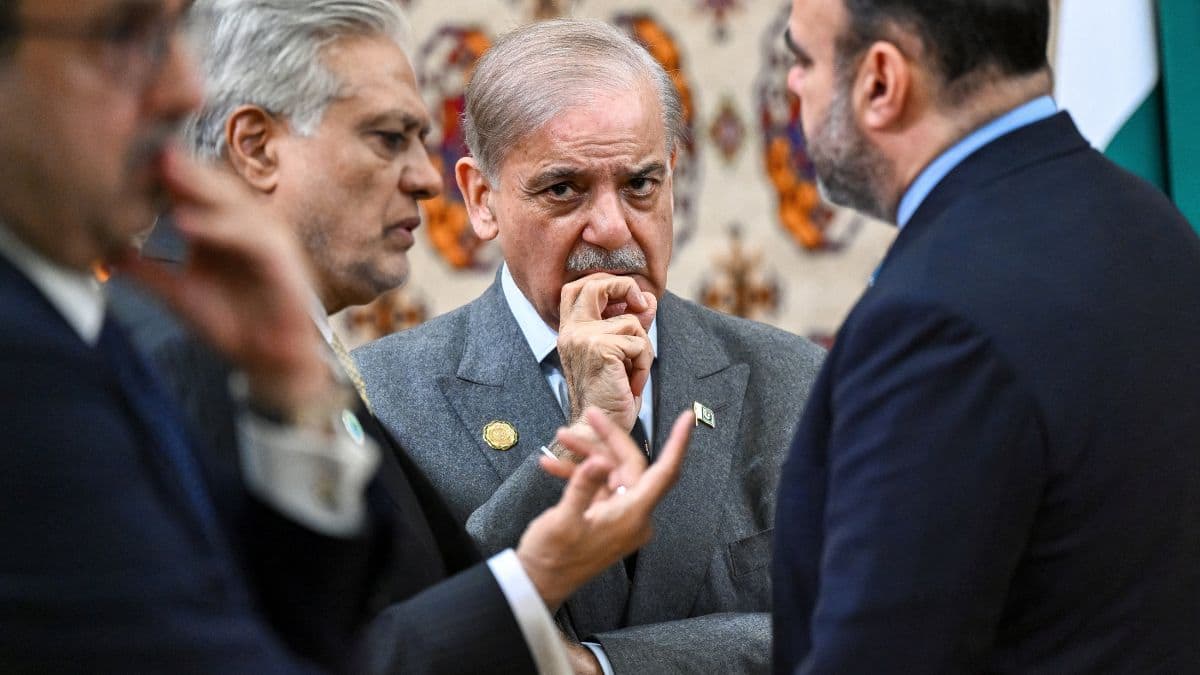
Why Shehbaz Sharif Is Talking Tough Right Now
When a Prime Minister uses words like "crush," it’s a signal to two audiences: the enemy across the border and the frustrated citizens at home. Sharif’s recent statements come on the heels of Operation Ghazab lil-Haq, a military campaign launched by Pakistan after Afghan forces reportedly attacked Pakistani border posts on February 26, 2026.
According to Pakistani military sources, the counter-strikes have been massive. We’re seeing reports of over 300 Afghan combatants killed and dozens of military installations destroyed. Sharif is effectively drawing a line in the sand. He’s telling the Taliban that the era of "strategic patience" is over. By canceling his planned trip to Russia this March, he’s signaled that this border war is now his top priority.
But there’s a flip side. The Afghan Taliban claim they’re the ones being bullied. They’ve reported civilian casualties from Pakistani airstrikes, including a tragic incident in Nangarhar where a family allegedly lost 18 members. This back-and-forth of "who started it" is exactly why the situation is so hard to de-escalate.
The TTP Problem That Won't Go Away
You can’t understand this conflict without talking about the TTP. They are the primary reason Pakistan is flying jets over Afghan airspace. Since the Taliban took over Kabul in 2021, terror attacks in Pakistan have spiked. Islamabad is convinced the TTP is using Afghan soil to plan these hits, specifically pointing to a devastating mosque bombing in Islamabad earlier this February.
- The Pakistani View: The Taliban are protecting fellow militants who want to destabilize Pakistan.
- The Afghan View: These are internal Pakistani problems that Islamabad is trying to export.
The Taliban are in a tough spot. If they crack down on the TTP to please Pakistan, they risk their own internal fighters defecting to even more radical groups like ISIS-K. So, they do nothing, or very little, which leads to Pakistani bombs falling on their territory.
What Is Operation Ghazab lil-Haq
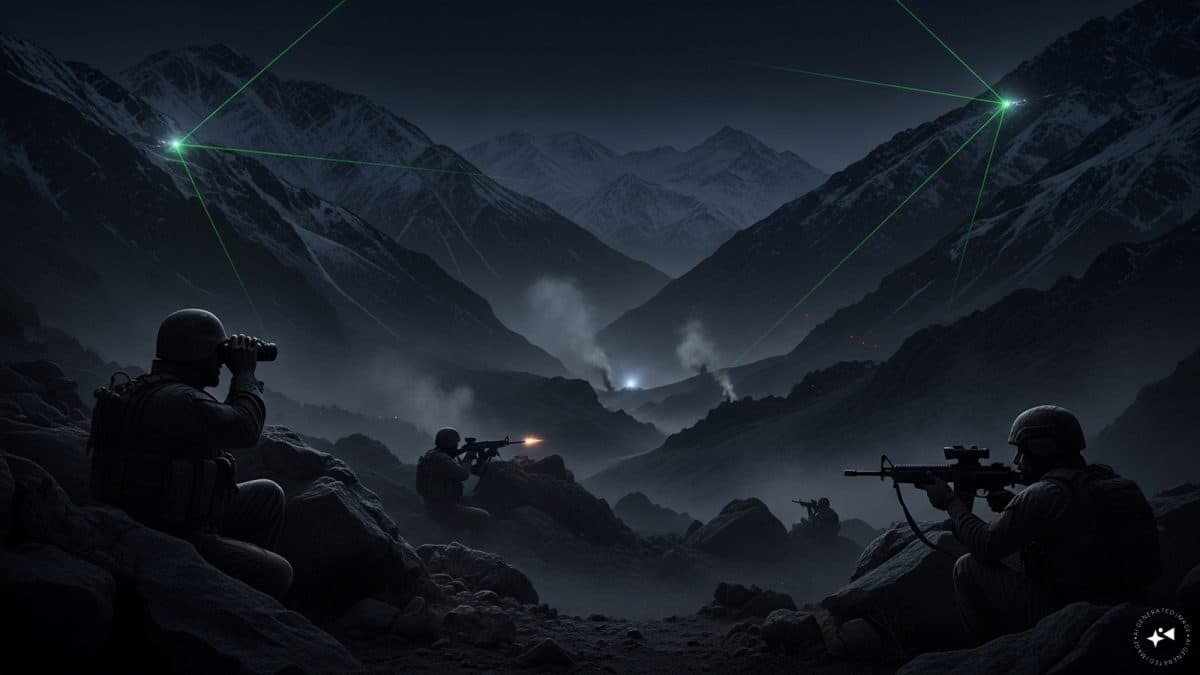
This operation marks a shift from small skirmishes to coordinated warfare. Pakistan isn't just shooting back at the border anymore; they’re using the Air Force to hit targets deep inside Afghanistan. Defense Minister Khawaja Asif didn’t mince words when he called it an "open war."
The scale of the reported losses is staggering for a border conflict:
- Pakistan's claims: Over 330 Taliban combatants killed, 16 posts destroyed, and dozens of tanks and APCs taken out.
- Afghanistan's claims: 55 Pakistani soldiers killed and 19 posts captured during their initial retaliatory surge.
It’s important to take these numbers with a grain of salt. Both sides use "information warfare" to boost morale and look strong. What we do know for sure is that the Durand Line—the 2,600km border established in the British era—is currently the most dangerous place in South Asia.
The Regional Fallout You Should Care About
This isn't just about two neighbors fighting. The timing is terrible. With the U.S. and Israel involved in strikes against Iranian leadership recently, the whole region is on edge. Protests in Karachi have already turned deadly as people vent their frustrations against international players.
If this "open war" continues, it creates a vacuum. Groups like ISIS-K thrive in chaos. If the Pakistani military and the Afghan Taliban are too busy killing each other, nobody is watching the smaller, more radical groups that actually want to strike international targets.
Honestly, the "crush" rhetoric might play well on the news, but it rarely solves the underlying issue. As long as the Durand Line remains unrecognized by Kabul and the TTP has a place to hide, these cycles of violence will keep happening.
If you're following this, watch for news of third-party mediation. In the past, countries like Qatar or Saudi Arabia have stepped in to cool things down. Without a ceasefire, we're looking at a long, bloody spring along the border. You should keep an eye on official updates from the Inter-Services Public Relations (ISPR) in Pakistan and the Afghan Ministry of Defense for the most direct, albeit biased, tactical reports. Stay informed by checking independent regional news outlets that have boots on the ground in the border provinces like Nangarhar and Paktika.