The tea in the Mezzeh district of Damascus is usually served with a predictable, rhythmic clinking of spoons against glass. It is a neighborhood of echoes—echoes of diplomatic chatter, the low hum of armored SUVs, and the rustle of jasmine that survives despite the decade of grit. But at 5:00 PM on a Monday, the rhythm didn't just stop. It was erased.
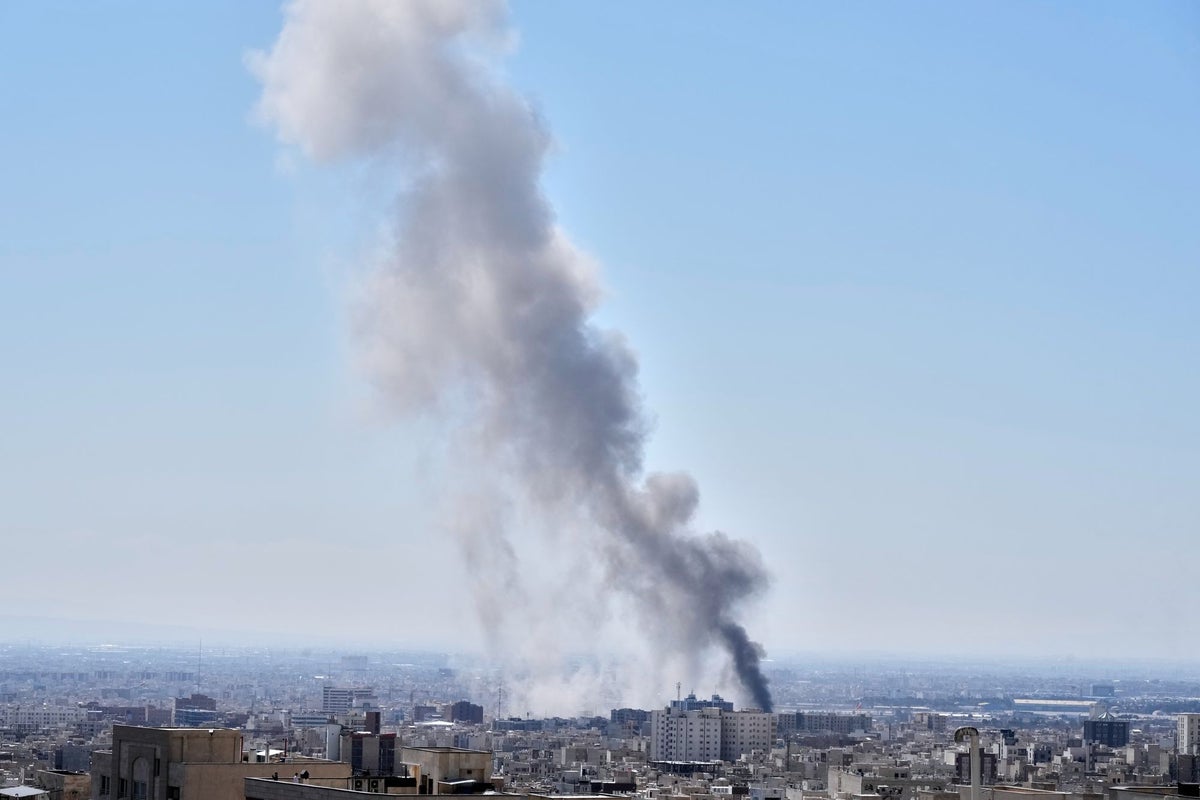
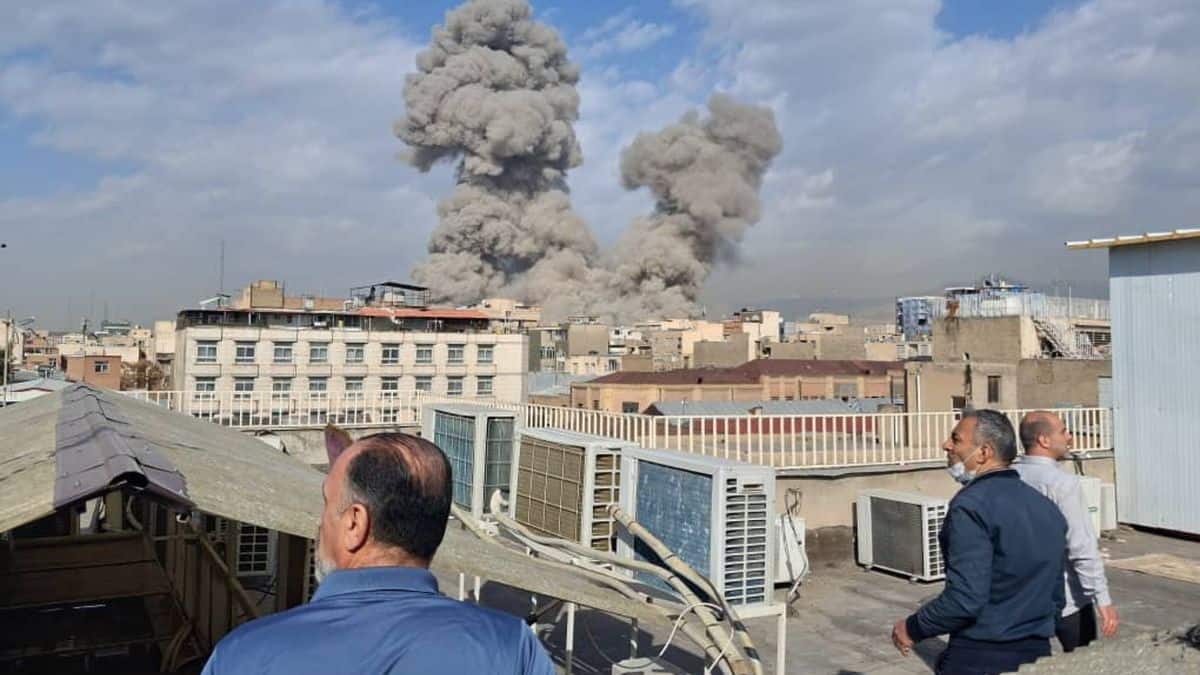
A sound like the earth's spine snapping rolled through the streets. For those standing a few blocks away, it wasn't just a noise; it was a physical pressure that squeezed the air out of their lungs. Then came the dust. It rose in a grey, suffocating pillar, turning the bright Mediterranean afternoon into a twilight of pulverized concrete and rebar.
By the time the sirens began their frantic, discordant wail, the rumors were already outrunning the ambulances. This wasn't a stray shell or a localized accident. The target was a nondescript building tucked against the Iranian consulate, a place where the shadows of high-stakes geopolitics usually kept a low profile.
The Architect of the Invisible
Inside that building, moments before the strike, sat Mohammad Reza Zahedi. To the average person scrolling through a news feed in London or New York, his name meant nothing. To the intelligence agencies of the West and the Middle East, he was the ghost in the machine. He was a senior commander in the Quds Force, the elite wing of Iran’s Revolutionary Guard Corps.
Think of him as a grandmaster playing a game of chess where the board spans four countries and the pieces move only at night. He wasn't a soldier who stood on a traditional front line. He was the one who ensured the front line stayed exactly where Tehran wanted it.
His presence in that room—alongside his deputy, Mohammad Hadi Haji Rahimi, and five other high-ranking officers—wasn't a social call. They were the Defense Council. They were the neural network of Iran's regional strategy. When they met, maps were unfolded. Logistics were synchronized. Decisions were made that would vibrate through Lebanon, Gaza, and the Red Sea.
The Precision of the Void
The strike was a masterpiece of terrifying technology. The building that housed the commanders was pancaked, reduced to a pile of jagged slabs and twisted metal. Yet, the main consulate building right next door, adorned with the portrait of the Supreme Leader, remained standing.
This is the cold, calculated reality of modern warfare. It isn't about carpet bombing or wide-scale destruction anymore. It is about "surgical" removal. Using advanced munitions—likely a series of small, high-velocity missiles—the attackers threaded a needle from miles away.
Imagine trying to hit a specific brick in a wall while moving at 500 miles per hour, without cracking the windows of the house next door. That is the level of technical lethality we are discussing. It is a form of violence that feels strangely clinical until you see the blood on the pavement.
For the Iranians, this wasn't just a loss of personnel. It was a breach of the sanctuary. The consulate is technically sovereign Iranian soil. To strike there is to tell a nation that nowhere—not even their own dirt, not even behind their own walls—is safe.
The Human Cost of a Shadow War
We often talk about these events in the language of "strategic assets" and "regional escalations." We treat them like a game of Risk. But consider the man standing on the sidewalk ten minutes after the blast, covered in the white dust of a fallen building, holding a cracked mobile phone.
That man represents the millions of people who live in the crosshairs of this "Shadow War." For him, the death of a general isn't a headline; it's the reason his children can't sleep through the night. It's the reason the price of bread is tied to the movement of warships he will never see.
The invisible stakes of this strike are not just about who controls a border or who funnels weapons to a proxy group. The real stakes are the fragile threads of stability that keep a regional conflict from becoming a global bonfire.
When you remove the architects of a strategy, you don't necessarily stop the strategy. You often just remove the brakes. Zahedi was a man of immense power, but he was also a known entity. He was a veteran who understood the unspoken rules of the "tit-for-tat" game that has defined the Middle East for decades.
When the veterans are gone, the vacuum is filled by the unknown. By the angry. By the unpredictable.
The Weight of the Silence
State TV in Tehran eventually broke the news with a somber, rhythmic chanting and images of the fallen commanders in their olive-drab uniforms. The rhetoric was immediate and scorched: "The Zionist regime will be punished."
But beneath the fiery speeches, there is a profound, chilling silence. It’s the silence of a leadership realizing their security apparatus is porous. It’s the silence of intelligence officers wondering who among them gave up the GPS coordinates for that 5:00 PM meeting.
The technology that enabled this strike—satellite surveillance, signals intelligence, and precision-guided kits—has changed the nature of leadership. In the past, a general was safest at the heart of his command. Today, the heart of the command is the most dangerous place to be. Every signal sent, every phone call made, every meeting scheduled is a digital breadcrumb leading to a missile.
A World Without Buffers
Consider what happens when the "Red Lines" are blurred. For years, there was a silent agreement: you hit our shipments, we hit your outposts. You target our scientists, we target your digital infrastructure.
By striking a diplomatic mission, the rules have been shredded. We are entering a phase where the "Shadow War" is stepping into the light. This isn't just a conflict between two nations; it is a stress test for the entire international order.
If a consulate is no longer a safe harbor, then the very concept of diplomacy begins to erode. If senior military leaders can be picked off in a crowded capital city during a business meeting, the incentive for de-escalation vanishes. Why negotiate when the other side is aiming for your forehead?
The dust in Damascus has settled now. The rubble is being cleared, and the martyrs' posters are being printed. But the air in the Mezzeh district still feels heavy. It’s the weight of the "what comes next."
The story of the Damascus strike isn't a story of a building falling down. It’s a story of the world leaning a little further into the dark. It is a reminder that in the age of precision warfare, the most expensive thing you can own is a secret. And the most dangerous thing you can be is essential.
Somewhere, in a basement or a bunker, another group of men is unfolding another map. They are looking at the gaps left by the names we now know—Zahedi, Rahimi, and the rest. They are moving pieces. They are calculating the cost of the next 5:00 PM.
The spoons are clinking against the tea glasses again, but the sound is different. It’s sharper. It’s more fragile. It’s the sound of people waiting for the next echo.