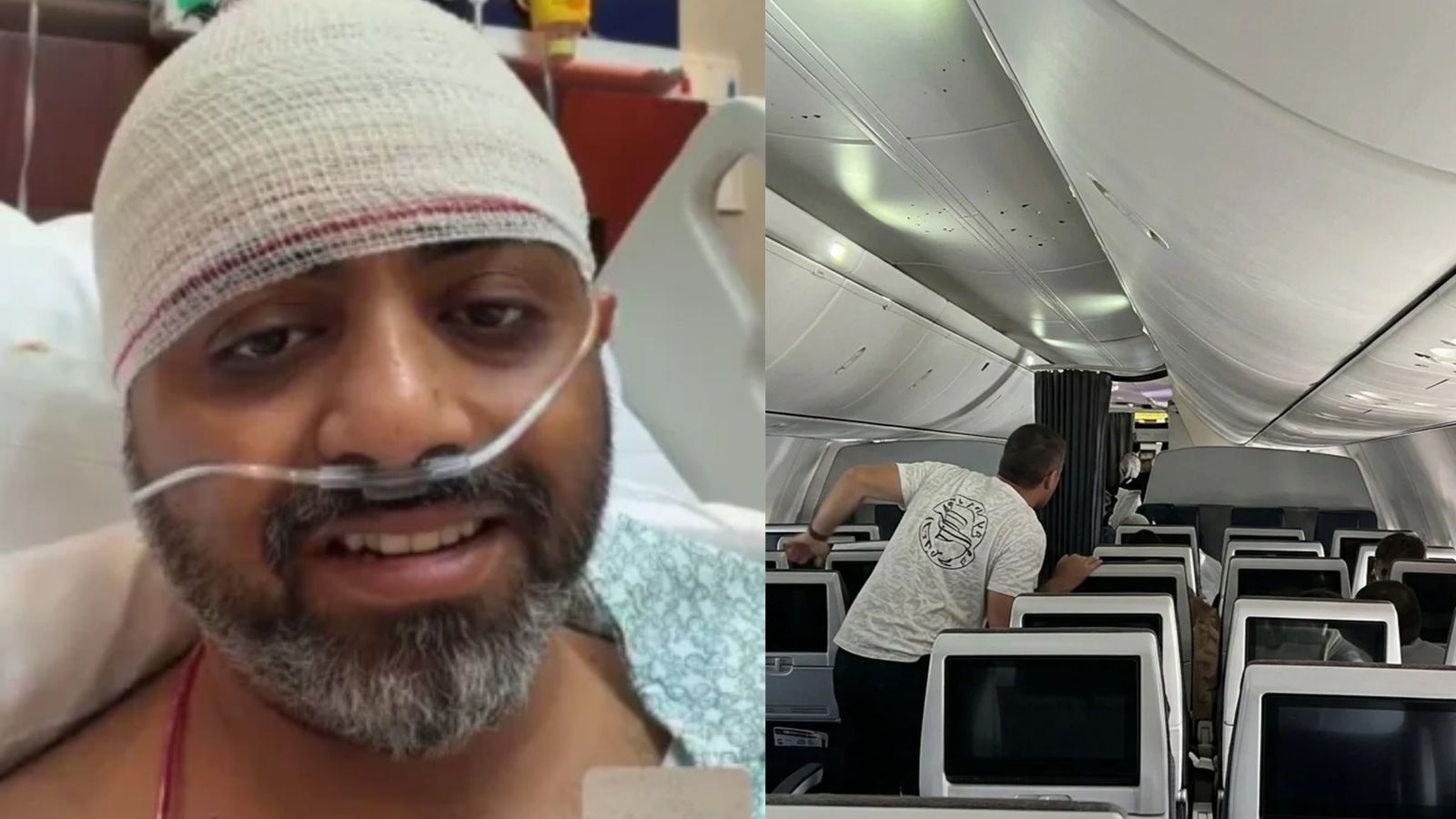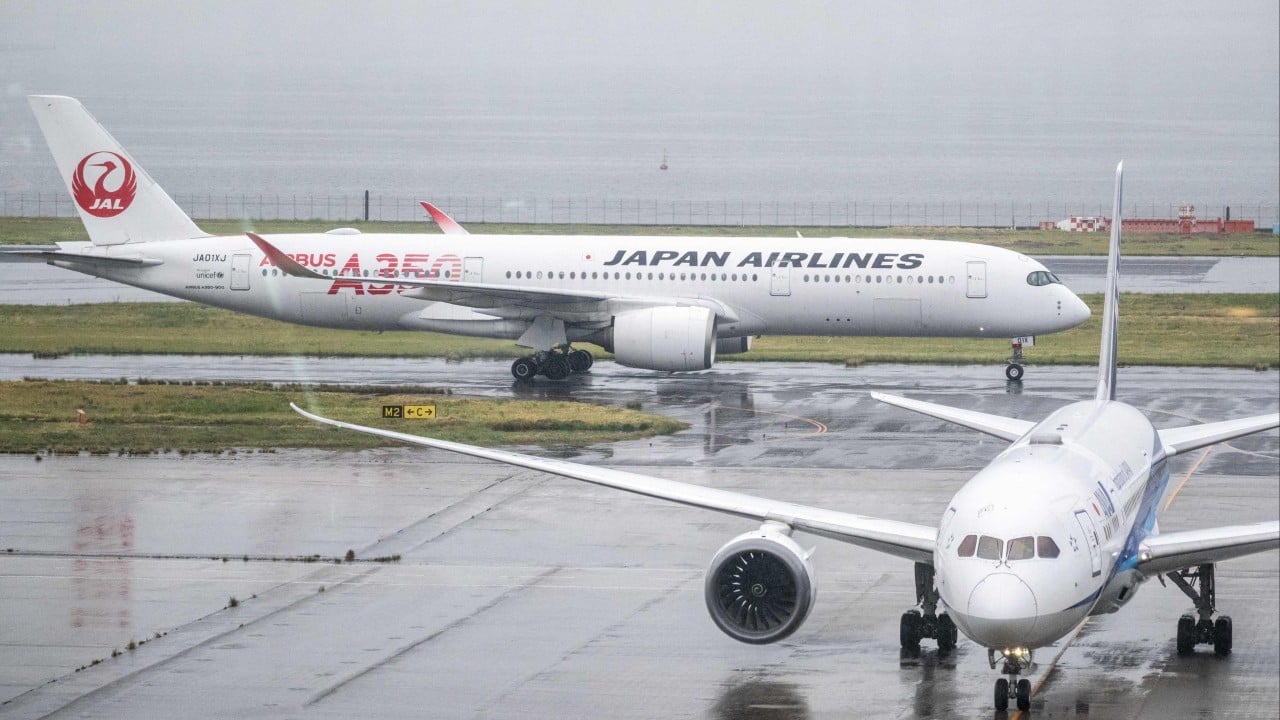
Polite queues and clockwork departures used to define flying inside Japan. Not anymore. Air rage incidents in Japan are climbing fast, and a huge share of the friction starts before passengers even reach the aircraft—right at the check-in counter and security line.
Travelers who have flown domestic routes in Japan for years are walking up to counters expecting last-minute flexibility. Instead, they run into tighter cutoffs, stricter rules, and agents who have no room to bend. When expectations collide with hard deadlines, tempers flare fast.
If you're flying through Tokyo, Osaka, Sapporo, or Fukuoka anytime soon, treating Japanese domestic airports like a walk-up train platform is a fast track to a missed flight—or worse, a confrontation you won't win.
What Is Driving the Surge in Air Rage Incidents in Japan
A survey of Japanese airline ground staff and cabin crew reported that 30% of workers faced passenger anger, up sharply from 7% in 2023. That isn't just a blip. When nearly a third of frontline workers deal with hostility, the system is under real strain.
Several pressures are hitting at once:
- Tighter domestic check-in windows: Domestic flyers have had to complete travel procedures at least 30 minutes before departure rather than the older 20-minute window. Travelers who rely on tight shinkansen or train transfers to get to the terminal are getting caught out.
- Overcrowded terminals and tourism rebound: Heavy passenger volumes—especially during peak holiday windows at hubs like Narita and Haneda—leave less slack when trains run slow or queues back up.
- Flight delays and weather disruptions: Even with high operational reliability, weather and equipment ripples still delay thousands of departures. Delayed travelers often take frustration out on the person standing in front of them, sometimes demanding excessive apologies or making threats.
- New cabin and baggage rules: Updated rules on power banks (including limits on numbers and restrictions on charging during flight) and personal item sizing add extra friction at check-in and gates.
I've watched seasoned flyers act stunned when a gate agent closes a flight on schedule. For decades, Japan felt forgiving right up to the last minute. As passenger volume grows and safety regulations tighten, airlines have moved toward strict cutoff enforcement.
Why Late Check-Ins Have Become a Flashpoint
Late check-ins aren't just an annoyance for the traveler—they create a domino effect for the whole operation.
Once a check-in cutoff passes, baggage reconciliation, passenger manifests, and boarding sequences have to lock in so the plane can push back on time. If an agent makes a one-off exception for one late flyer, bags may miss sorting, security screening gets rushed, or the departure slot slips.
On the passenger side, missing a cutoff feels personal. You might have sprinted through the station, paid a high last-minute fare, and still heard "no." When someone feels powerless, anger often takes over.
The Myth of the Last-Minute Pass
A lot of travelers still assume Japanese carriers will wave them through if they show up 15 or 20 minutes before takeoff. Honestly, that's a risky bet now.
Airlines like Japan Airlines and ANA publish clear procedure and boarding deadlines, and enforcing them isn't arbitrary. Once systems close out for a flight, agents simply can't override cutoff rules without risking safety and schedule compliance.
There's also a gray area worth being honest about. Public reporting captures reported incidents and worker surveys, while minor arguments or walk-offs don't always show up in formal statistics. Still, the upward trend in frontline hostility is clear enough that carriers are treating it as an operational safety issue, not just a customer service headache.
Where Customer Harassment Draws the Line
Japan's reputation for courtesy doesn't mean airline staff have to absorb abuse. Carriers have spelled out explicit policies against customer harassment to protect ground and cabin workers.
Under ANA's customer harassment framework, unacceptable conduct spans yelling, insults, intimidation, physical aggression, operational disruption, and excessive or unreasonable demands. On board, Japan's Civil Aeronautics Law backs up the crew—interfering with duties, ignoring safety instructions, or defying the captain can trigger serious penalties, including fines or removal from the flight.
Being frustrated by a delay is normal. Yelling at a gate agent or refusing crew instructions crosses into conduct that can get you barred from flying.
One mistake travelers make is assuming a loud complaint will force an upgrade or a waiver. In practice, hostility shuts doors fast. Staff escalate to supervisors or security, and once a situation is logged as harassment or disruptive behavior, rebooking options shrink dramatically.
How to Avoid Getting Stuck at the Counter
You don't need luck to breeze through Japanese airports—just a buffer and a realistic plan.
- Pad your transit time to the terminal. Treat rail or highway delays as likely during rush hour and storms. Aim to finish check-in and bag drop well ahead of the 30-minute domestic cutoff, and give international flights even more breathing room.
- Prep bags and power banks before you get in line. Check carry-on dimensions, weight limits, and power bank watt-hour and handling rules before leaving your hotel so you aren't repackaging at the counter.
- Use self-service tools early. Check in on your phone or at kiosks as soon as the window opens, and keep your booking reference handy in case of schedule shifts.
- Separate the agent from the airline. A ground agent didn't cause the headwind or the maintenance swap. Asking calmly—"What are my rebooking options on the next flight?"—gets you real solutions way faster than demanding someone take the blame.
Flying in Japan is still smoother than in plenty of other parts of the world when you respect the clock. Show up early, keep your cool when plans shift, and you'll spend your trip enjoying the destination instead of arguing at the desk.