Trade wars aren't just about tweets and dramatic press conferences. Sometimes, they hide inside boring-sounding legal clauses from the 1970s. That's exactly what Section 301 of the US Trade Act of 1974 is. It's a massive regulatory stick. Washington loves to swing it when foreign countries don't play by American rules.
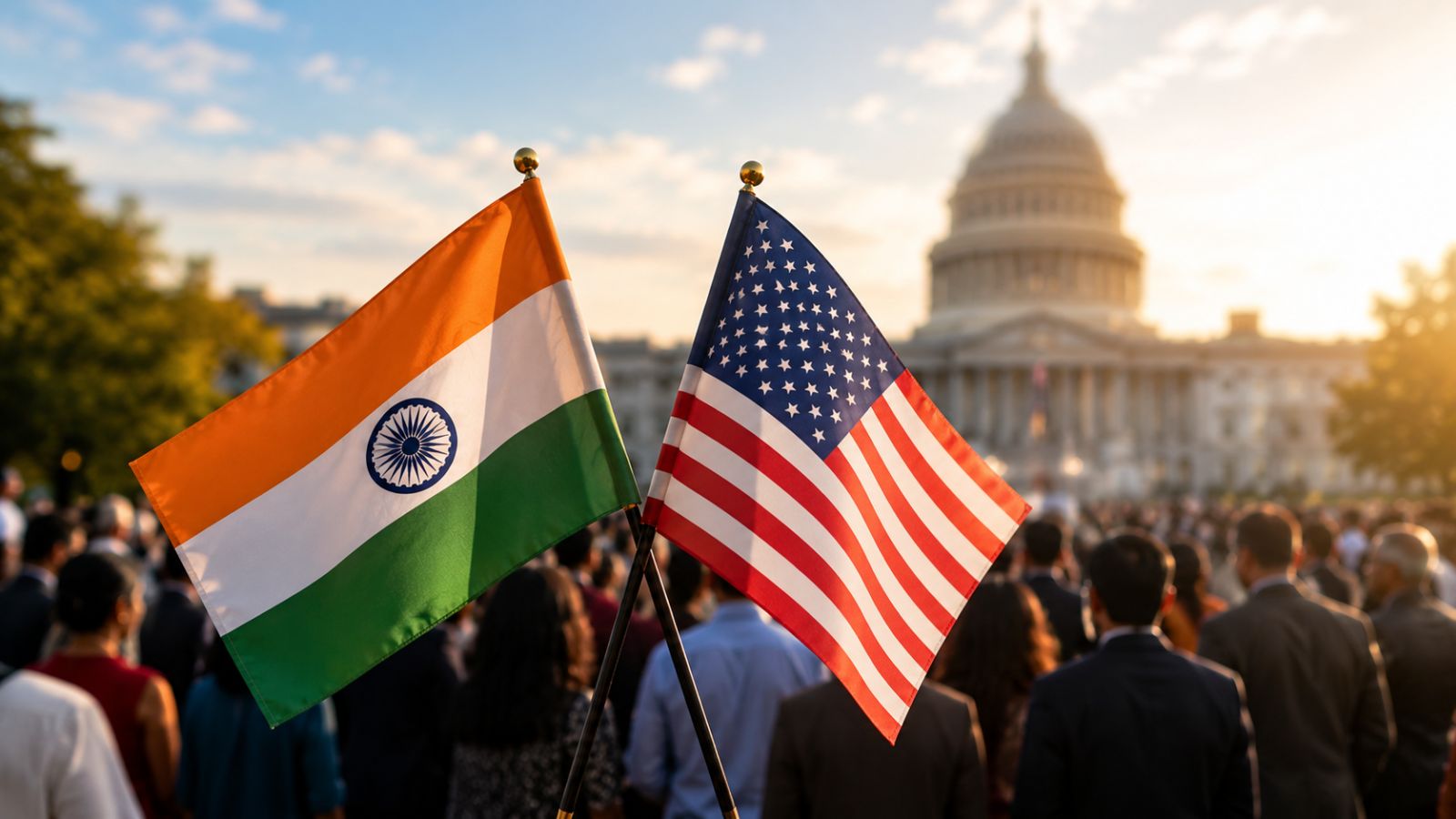
If you think this is just a problem for China, you're missing the bigger picture. India is firmly in the crosshairs. The Office of the US Trade Representative, or USTR, recently proposed a sweeping new round of Section 301 tariffs ranging from 10% to 12.5% on 60 economies. India sits right on that hit list.
The immediate trigger stems from alleged enforcement shortfalls regarding forced labor import prohibitions. The US claims that if a country doesn't strictly block forced labor goods, its exports gain an unfair cost advantage. That hurts American businesses. India faces the higher 12.5% tier of these proposed duties, creating a major headache for New Delhi policymakers.
Understanding Section 301 matters because it bypasses global trade bodies entirely. It's a unilateral hammer. When the US decides a foreign trade practice is unreasonable or burdens American commerce, it doesn't wait for permission. It acts.
The Friction Points Between New Delhi and Washington
The forced labor investigation is just the newest layer of tension. The friction goes much deeper. For years, the US and India have traded blows over digital trade and intellectual property.
Take India's equalization levy. Back in 2020, India expanded a 2% tax on revenues earned by non-resident e-commerce operators. Tech heavyweights like Google, Amazon, and Meta felt the squeeze. The US government launched a Section 301 investigation immediately, declaring the tax discriminatory because it primarily hit American tech firms.
The US threatened 25% retaliatory tariffs on Indian goods like basmati rice and jewelry. A temporary deal paused the implementation, but the threat never truly evaporated. It remains a lingering bargaining chip for American negotiators.
Then there's the intellectual property battleground. The US consistently places India on its Special 301 Priority Watch List. Washington hates India's patent laws, especially Section 3(d) of the Indian Patents Act. This law stops pharmaceutical companies from extending patents on old medicines just by making minor tweaks. India calls it preventing patent evergreening. The US calls it theft of innovation.
Why a Unilateral Hammer Breaks Global Rules
The World Trade Organization was built to prevent single countries from acting as judge, jury, and executioner in trade disputes. Section 301 ignores that completely. It allows the USTR to investigate, make a determination, and levy tariffs entirely on its own.
This creates massive unpredictability for Indian exporters. One day you're shipping garments or engineering goods under predictable tariff rates. The next day, a political shift in Washington threats to add a 12.5% tax overlay on your products.
Indian exporters operate on razor-thin margins. A sudden double-digit tariff layer can destroy their competitiveness overnight. Buyers in New York or Los Angeles will simply source their goods from countries that managed to secure exemptions or lower rates.
How Indian Businesses Should Navigate the Risk
Indian companies can't just sit back and watch the news. They need to adapt immediately to protect their supply chains.
First, map out your exposure. Audit your export portfolio using the Harmonized Tariff Schedule numbers. Figure out exactly which product lines will face the proposed 10% to 12.5% duties.
Second, rigorously clean up your supply chain data. The latest Section 301 push focuses heavily on labor standards and supply chain transparency. If you can prove your manufacturing process complies with international labor rights, you'll stand a better chance of surviving compliance audits. American buyers will demand this documentation anyway to avoid customs penalties.
Third, factor these potential duties into your pricing models. Work with your American clients to review purchase orders and delivery timing. Check your Incoterms. Ensure your contracts clearly state who bears the financial burden if the USTR activates the final tariff rules later this year.
The public comment period for the forced labor tariff proposal runs through early July. Trade associations and major export houses should actively submit evidence to request product-specific exclusions before the final order gets stamped. Standing on the sidelines isn't an option anymore. Saving your export margins requires proactive legal and logistical adjustments right now.
:quality(90):format(png)/_img_fabricantes/Logitech-logo-stacked-100k.jpg)