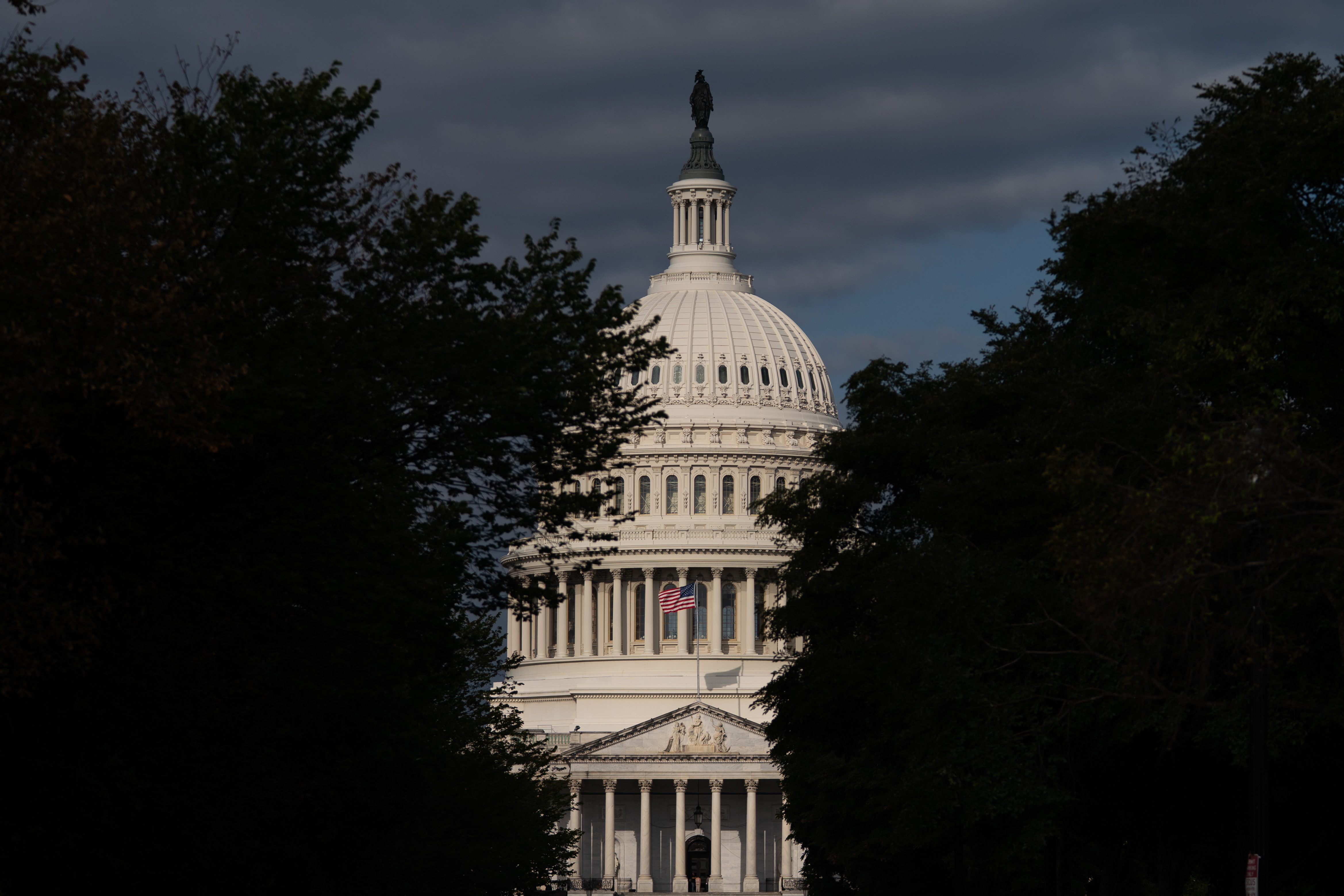
You have probably felt it at family dinners, board meetings, and local council hearings. The baseline rules of how we disagree, compromise, and govern ourselves feel completely broken. Recent governance assessments and global watchdogs confirm that the state of American democracy has hit historic lows, sliding down international rankings and sparking urgent warnings from researchers who track democratic backsliding.
When global indices flag a powerful nation for institutional decay, it is easy to dismiss it as academic hand-wringing. But the cracks are visible on the ground. From institutional weaponization to toxic partisanship, the architecture designed by the founders is taking a massive beating. Let us look past the talking points and break down what is actually happening to the political system.
The Reality Behind the Global Democracy Rankings
Organizations like the V-Dem Institute and Freedom House do not pull their metrics out of thin air. They measure concrete indicators: judicial independence, legislative checks and balances, media freedom, and the integrity of electoral administration.
The latest data reveals an alarming trend. The United States has dropped significantly in liberal democracy rankings, driven by a rapid concentration of executive power and structural attacks on oversight bodies. When executive branches treat congressional subpoenas, judicial reviews, and independent administrative agencies as mere inconveniences rather than constitutional guardrails, the entire system begins to warp.
Think about how administrative appointments and civil service protections work. For decades, a non-partisan civil service acted as the permanent scaffolding of government operations. When political administrations attempt to reclassify thousands of career civil servants into political appointees, institutional memory evaporates. You get a government built on loyalty rather than competence.
Why Polarization Weaponizes Everyday Institutions
Polarization is not just an attitude problem; it is a structural hazard. When political parties view losing an election as an existential threat to the survival of the nation rather than a normal shift in governance, the rules of the game change.
Both sides have contributed to this dynamic over the years, but the speed of backsliding has accelerated. Consider how public trust has eroded across major pillars of society:
- The Judiciary: Courts are increasingly viewed through a partisan lens. When judicial appointments resemble bare-knuckle political brawls, public faith in impartial justice takes a hit.
- The Electoral Machinery: Local election boards, once sleepy administrative outposts, have become frontline battlegrounds. Threats against election workers have driven thousands of experienced administrators out of office, opening the door for hyper-partisan actors.
- Information Ecosystems: Media fragmentation and algorithmic polarization mean citizens no longer share a common set of facts. You live in a curated reality, and so does your political opponent.
This breakdown makes basic compromise nearly impossible. If working with the other side is framed by your base as treason, lawmakers choose gridlock.
The Pushback from State and Local Leaders
While Washington often feels entirely paralyzed by partisan warfare, the real defense of American democratic norms is happening at the local level. Governors, state attorneys general, and municipal leaders frequently find themselves stepping into the breach.
When federal safeguards weaken or political actors attempt to bend federal agencies to partisan wills, state courts and interstate coalitions frequently push back. Local leaders have defended voting access, challenged executive overreaches in court, and preserved funding for independent institutions.
Democracy rarely dies in a single cinematic moment. It erodes slowly through thousands of small concessions, bypassed norms, and exhausted citizens checking out of the process. Fixing it requires more than voting every few years; it demands showing up to local school boards, protecting election administration, and refusing to treat neighbors with different views as mortal enemies. The guardrails only hold if people inside the system decide they are worth protecting.


