Ghost towns get all the glory, but what lies beneath the surface of the American West is far wilder. Deep underground, hundreds of thousands of abandoned hardrock mines carve through the earth. Most people think of these forgotten shafts as pure environmental hazards. They are scarred earth, leaking heavy metals and posing massive cave-in risks.
Yet nature has a funny way of reclaiming human messes. You might also find this related story interesting: Why Spending Eleven Years Building a Backyard Train Track is the Ultimate Act of Creative Rebellion.
Walk up to certain sealed or partially collapsed mine entrances today, and you won't hear industrial machinery. You'll hear the high-pitched chatter of thousands of roosting bats or spot a western rattlesnake basking near the warm shale of a tailings pile. When the mining booms went bust and the human workforce cleared out, wildlife moved right in.
The Underground Real Estate Boom
Let's look at the sheer scale of the problem. The Bureau of Land Management estimates there are over 500,000 abandoned mine openings scattered across public lands in the United States. That's a staggering footprint. State and federal agencies spend billions trying to secure them. They slap up chain-link fences, pour concrete caps, and blast portals shut. As extensively documented in recent coverage by The Spruce, the results are widespread.
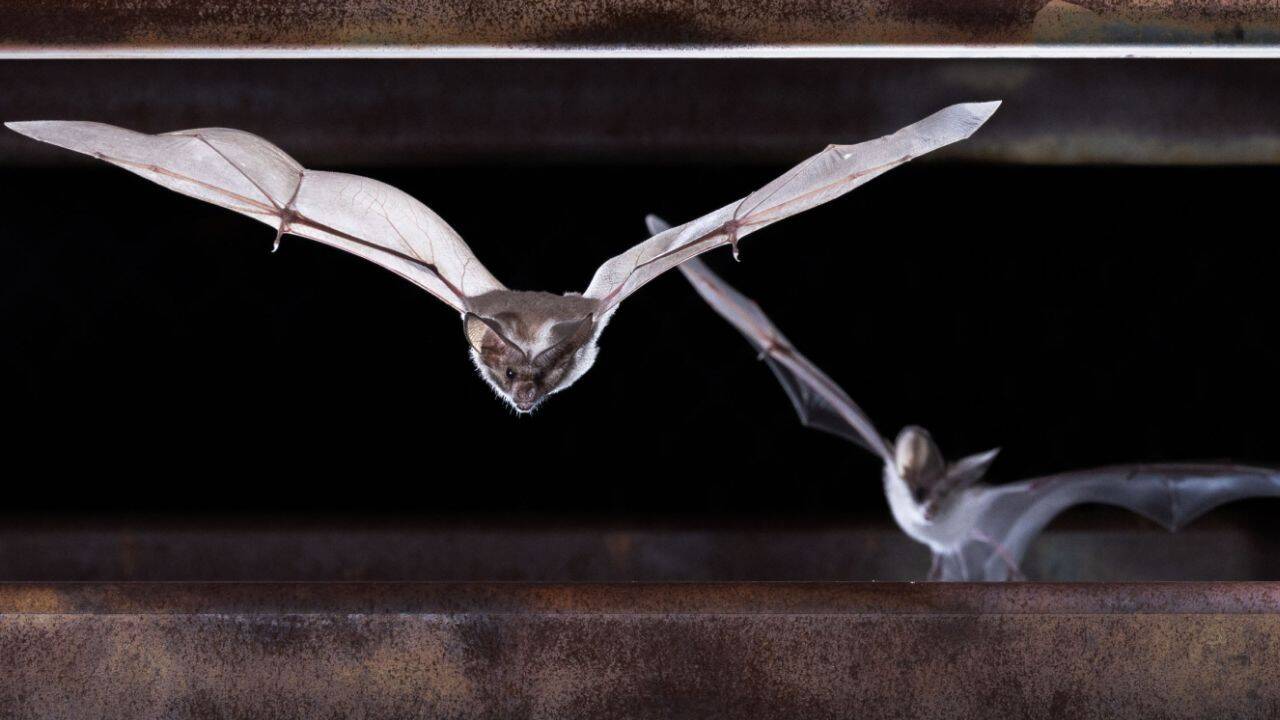
Bat conservationists and wildlife biologists step in whenever they can. They fight to keep specific portals open. Why? Because underground mines mimic natural caves almost perfectly. They offer stable temperatures, high humidity, and total darkness. For species losing their natural surface habitat to development, these subterranean tunnels provide a lifeline.
Take the Townsend's big-eared bat. These creatures rely heavily on abandoned mine structures for winter hibernation and summer maternity colonies. When a historic copper or gold mine shuts down, the interior temperatures often settle into an ideal sweet spot that stays consistent year-round. Bats don't care about the history of the gold rush. They care about a safe place to raise pups without being disturbed by loud noises or human foot traffic.
Snakes Find Their Warmth in the Ruins
Bats aren't the only ones cashing in on the industrial leftovers. Reptiles love these sites. Mining operations shifted massive amounts of rock, creating huge piles of debris and loose scree slopes exposed to the sun.
Snakes are ectotherms. They need external heat sources to regulate their body temperature. Those sprawling rock dumps absorb solar radiation all day and radiate heat long after sunset. If you walk along the perimeter of an old mining district in Nevada or Arizona during the late afternoon, you'll likely spot gopher snakes, racers, and various rattlesnake species using the rocky substrate as prime hunting and basking grounds.
The shafts themselves offer deep subterranean retreats where snakes can brumate safely through freezing winter months. Human industry carved out complex thermal labyrinths. Wildlife simply figured out how to use them.
The Conservation Paradox
Managing these sites creates a massive headache for land managers. You cannot just leave half a million gaping holes in the earth. People fall in, ATVs crash into them, and toxic runoff poisons nearby watersheds. The EPA and the Forest Service have a legal mandate to clean up these hazards.
Every time a crew moves in to close a mine, local wildlife experts have to survey the area first. If a maternity colony of endangered gray bats calls a specific drift home, the closure process changes entirely. Instead of blasting the portal shut, crews install specialized steel gates.
These bat gates look like vertical prison bars spaced just far enough apart for a flying mammal to squeeze through, but close enough to keep humans out. It is a brilliant compromise. It stops curious hikers from getting killed by bad air or rotting timber supports while letting the wildlife keep their subterranean apartments.
What Most People Get Wrong About Mine Reclamation
A lot of well-meaning environmentalists assume that sealing every old hole is the greenest move. Fix the dirt, plant native grasses, walk away.
Reality is messier.
If you seal a mine that currently houses fifty thousand bats without checking, you wipe out a massive chunk of the local ecosystem overnight. Bats consume millions of agricultural pests every single night. Eradicating a major roost site causes a ripple effect that farmers miles away will feel.
Modern reclamation requires a delicate balancing act. Biologists have to map out which mines are ecological hotspots and which ones are just dangerous, empty holes ready to collapse. It requires funding, patience, and a willingness to view industrial scars through a biological lens.
Next time you drive through the desert southwest or the mountains of Colorado and see a rusted headframe silhouetted against the ridge, remember what is happening just out of sight. The boom times are long gone, but the underground world is busier than ever.