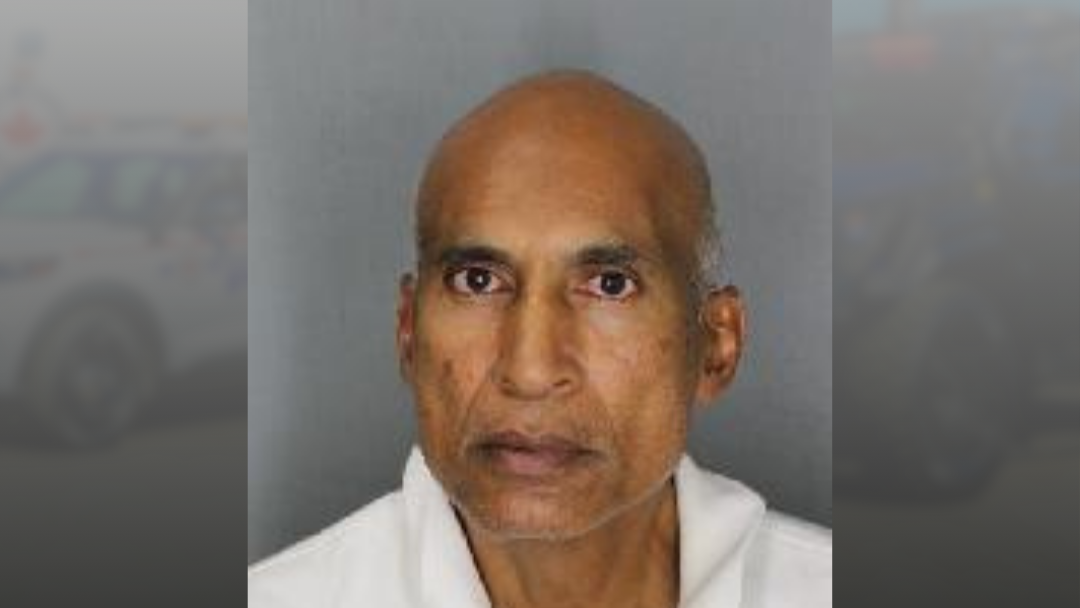
The arrest of sixty-three-year-old Pickering resident Faruk Dewan on twenty-two charges—comprising eleven counts of sexual assault and eleven counts of sexual interference with a person under sixteen—exposes structural vulnerabilities inherent to unregulated private instruction. Operating an art instruction service out of a residential property in Pickering while simultaneously accessing victims within their primary residences across Toronto and Pickering, the accused bypassed the institutional oversight mechanisms standard within public educational systems. Police investigations initiated by the Durham Regional Police Service Special Victims Unit demonstrate how informal access vectors operate outside standard organizational risk mitigation protocols.
The Mechanics of Access and Proximity Vectors
Child exploitation in private instruction environments typically relies on a distinct operational framework characterized by proximity, informal credentialing, and domestic penetration. The vector analysis of this case highlights three structural vulnerabilities:
- Informal Credentialing Asymmetry: Unlike certified educators within provincial school boards who undergo mandatory background checks, vulnerable sector screening, and ongoing regulatory compliance monitoring, private cottage-industry instructors often operate on unverified social trust.
- Boundary Dissolution: The transition from a commercial instructional space to the victims' domestic residences represents a critical vector shift. Private home visits eliminate physical and supervisory checkpoints that traditional institutional environments provide.
- Temporal Latency: The alleged timeline spanning from November 2025 to July 2026 underscores a prolonged detection window. Informal instructional settings lack mandatory reporting chains of command, allowing behavioral anomalies to persist without administrative interception.
Institutional Risk Management Deficits
Public educational facilities utilize multi-layered security architectures designed to minimize unsupervised one-on-one interactions. These include open-concept architecture, digital audit trails, administrative oversight, and standardized peer presence. Private residential instruction strips away these variables, concentrating absolute operational authority in a single individual.
When an instructor is known to a family, cognitive biases such as the halo effect frequently impair risk assessment. Parents conflate interpersonal familiarity with structural safety, substituting personal intuition for verified institutional credentials. The absence of a formal governance framework means that safety protocols depend entirely on the individual instructor's integrity rather than systemic enforcement.
The Amplification Effect of Residential Instructional Spaces
Operating out of a residential location rather than a commercial facility alters the power dynamics between the instructor, the minor, and the family unit. Commercial studios maintain public traffic, receptionist staff, and shared waiting areas, all of which act as passive deterrents against deviant behavior. A private residence functions as a closed loop.
The investigative focus by regional authorities on identifying potential additional victims stems directly from the hidden nature of these operational nodes. Without institutional touchpoints or administrative ledgers tracking student enrollment and attendance hours, mapping the true scope of exposure becomes an arduous forensic task for law enforcement agencies.
Systemic Remediation Protocols
To mitigate the systemic vulnerabilities exposed by unregulated private instruction models, municipal and provincial regulatory bodies must evaluate the implementation of baseline verification standards. These include mandatory registration of all private instructional micro-businesses catering to minors, universal background clearance submission requirements for independent tutors, and public-facing registries that distinguish between certified educational professionals and commercial sole proprietors. Families engaging private instructors must enforce the same operational transparency demanded by institutional bodies, treating residential instructional settings with heightened scrutiny rather than informal relaxation of boundaries.