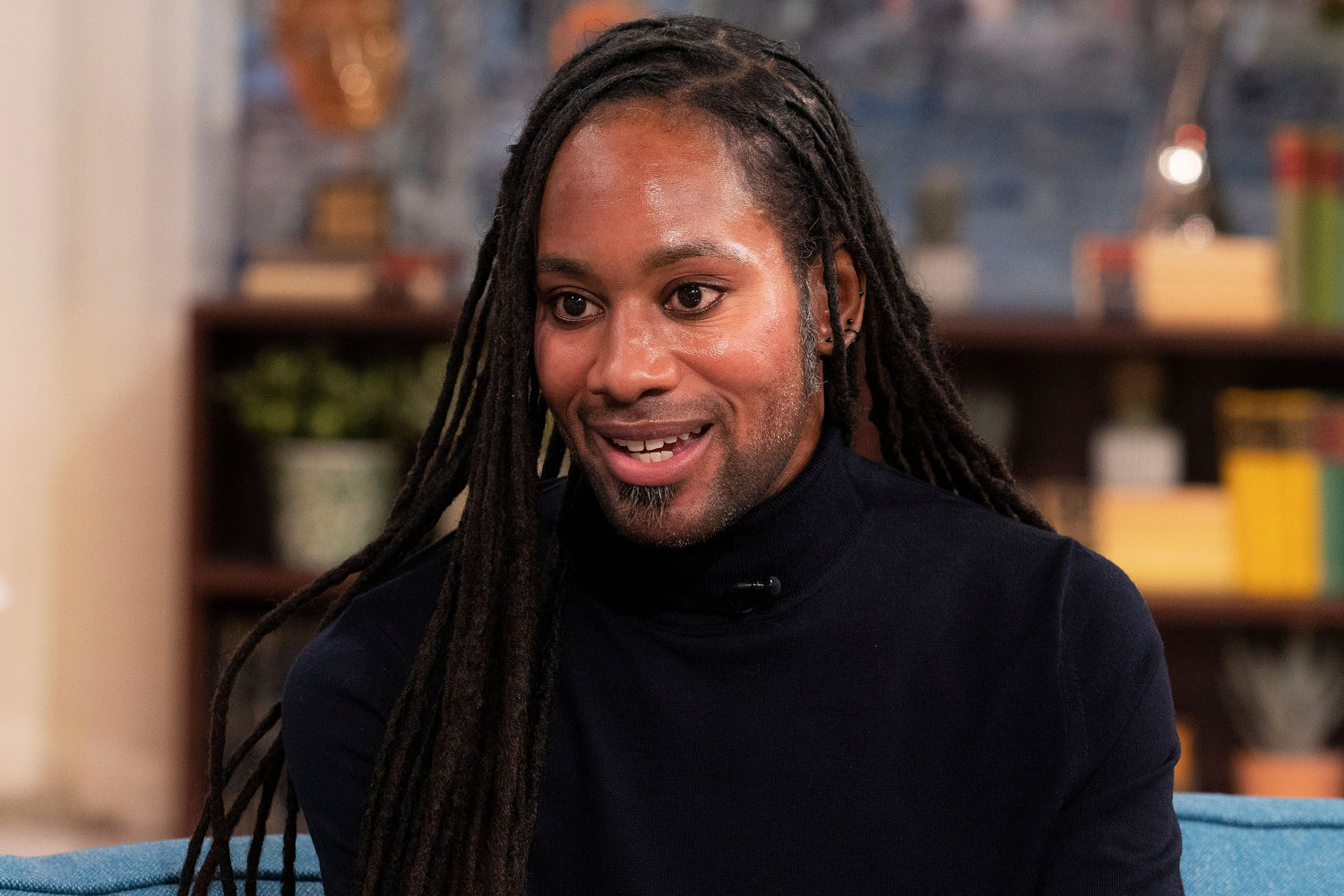
Jason Arday, the former University of Cambridge professor whose meteoric rise and subsequent collapse became a lightning rod for British culture wars, was found dead at his south London home at the age of forty-one, just days after resigning his post amid intense scrutiny over his academic credentials. Metropolitan Police officers responding to an emergency call in Battersea pronounced him dead at the scene, stating that the death was unexpected but not treated as suspicious. The tragedy brings a brutal, sorrowful halt to a public controversy that had consumed British academia, pitting institutional prestige against relentless digital media investigations and ferocious ideological combat.
When Arday was appointed as Cambridge's professor of sociology of education in March 2023, the institution celebrated him as its youngest-ever Black professor. His personal biography was extraordinary. Diagnosed with autism spectrum disorder and developmental delays as a child, he publicised accounts of being non-verbal until age eleven and unable to read or write until his late teens. His narrative of triumph over systemic barriers made him a symbol of modern academic inclusion.
That narrative fractured under the weight of an organized audit.
Questions began circulating through academic circles and independent investigative blogs before landing in national newspapers. Critics, including former Cambridge affiliates, scrutinized his 2015 doctoral thesis completed at Liverpool John Moores University. Major outlets published findings claiming to identify multiple passages exhibiting near-identical matching to prior research. Beyond the text of his dissertation, the cross-examination expanded to his biographical milestones, athletic feats, and fundraising claims.
The pressure cooker intensified exponentially. British right-wing commentators and hostile social media networks seized upon the allegations, transforming an administrative dispute into a proxy war over diversity, equity, and inclusion mandates. To his detractors, the errors in his scholarship and inconsistencies in his CV represented an institutional failure driven by ideological tokenism. To his defenders, the campaign was a coordinated demolition designed to humiliate a scholar of color who had broken barriers in an elite space historically resistant to demographic change.
Liverpool John Moores University had previously reviewed and dismissed complaints regarding his doctoral work, but the fresh wave of scrutiny forced Cambridge's hand. Facing an independent university inquiry into his academic qualifications, Arday submitted his resignation on August 5.
In his public farewell statement, Arday articulated the crushing weight of the environment he was exiting. He maintained that his departure should not be interpreted as an admission of guilt regarding the plagiarism narratives, but rather as a boundary against an unsustainable assault. He noted that the ordeal had far exceeded the bounds of normal scholarly debate, deteriorating into an unrelenting campaign of personal destruction.
His family released a searing statement through his publisher, Simon & Schuster, following his death. They described a gentle man crushed by three years of sustained abuse and a calculated campaign of misinformation. The sudden loss exposes the toxic intersection where hyper-politicized media culture, academic policing, and individual mental health collide.
Universities across the United Kingdom now face an uncomfortable reckoning. The mechanisms designed to protect academic integrity are increasingly weaponized within digital media ecosystems, turning institutional reviews into public executions. A system built on peer review and rigorous correction has shifted toward trial by social media, where nuance is erased and human beings become collateral damage in broader cultural wars.
The inquiry into Arday's employment records and credentials will likely wind down without a formal institutional conclusion. Yet the systemic vulnerabilities that permitted a brilliant, flawed, and profoundly troubled scholar to be hunted through the public square remain entirely unaddressed