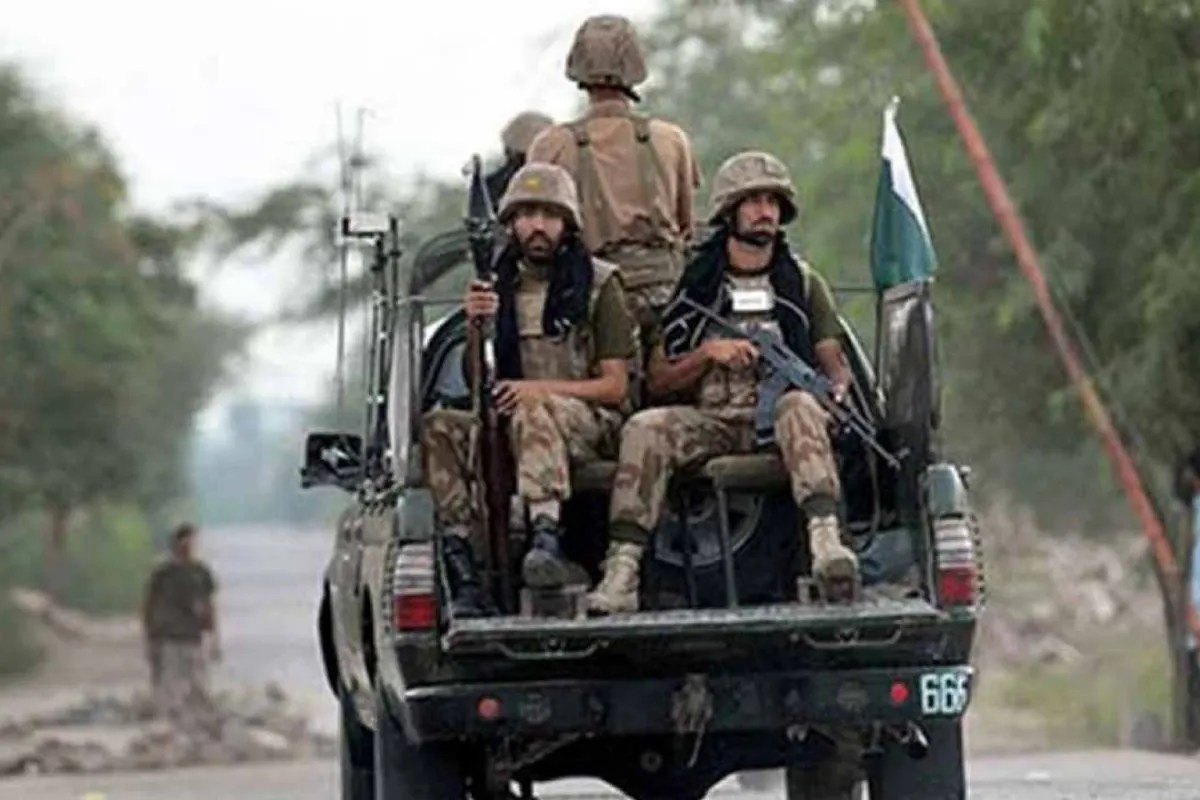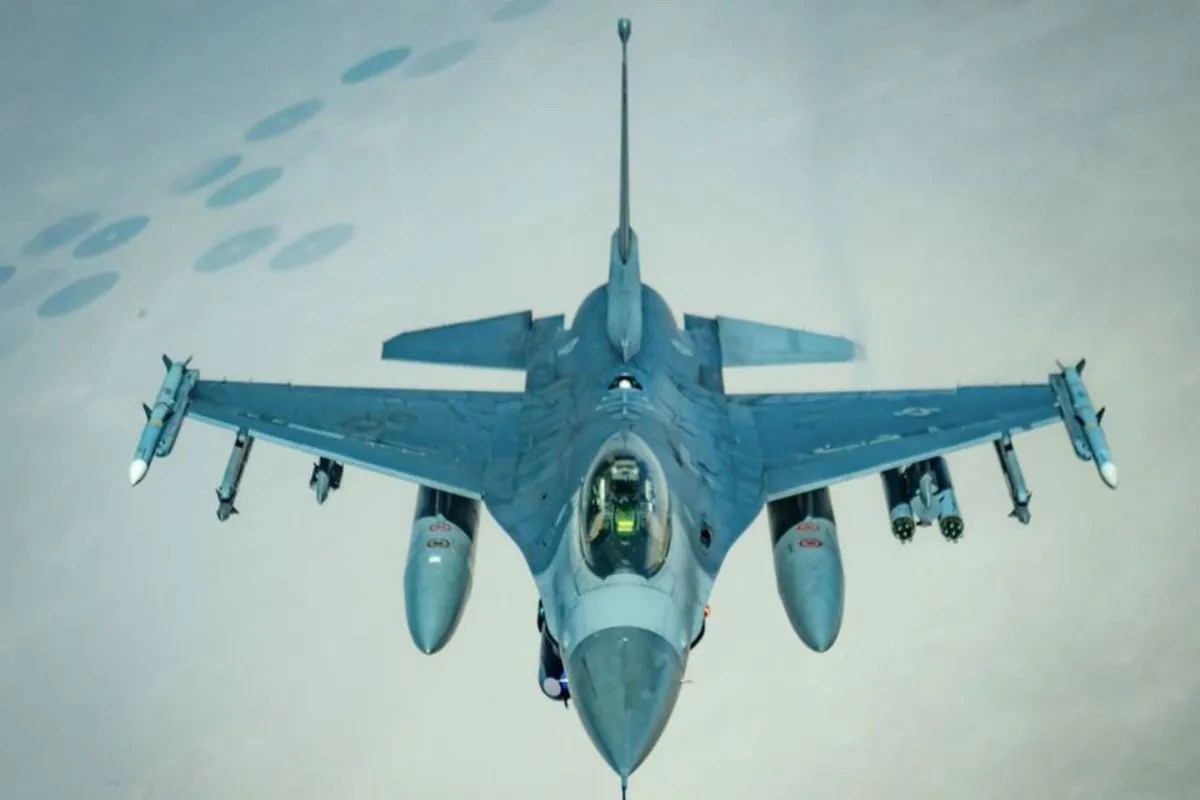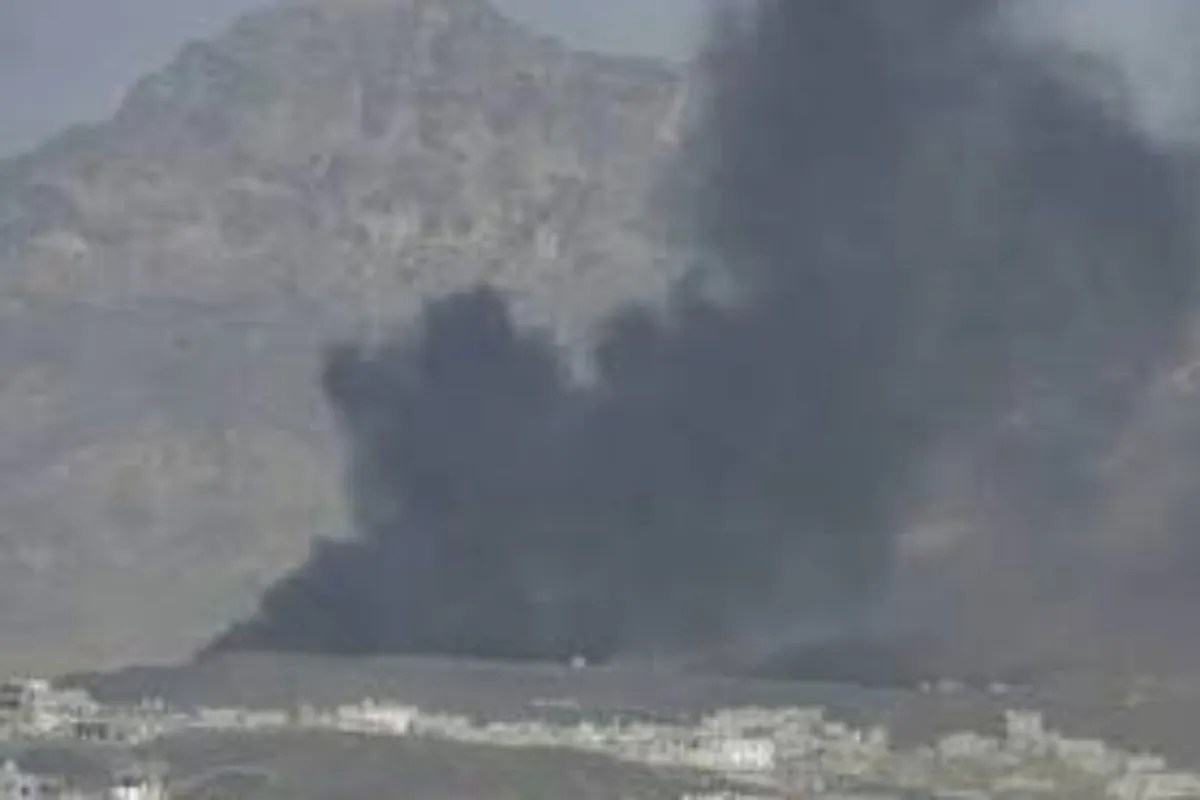
Long-term structural conflicts in fragmented states rarely resolve through decisive tactical engagements; instead, they devolve into protracted campaigns of asymmetric attrition. The recent multi-front military operations executed by the official Yemeni armed forces across three primary contested provinces represent a tactical scaling of state-led counter-offensives against Houthi positions. Evaluating this offensive requires stripping away diplomatic rhetoric to analyze the underlying military architecture, resource constraints, and strategic variables governing the theater.
The Tri-Provincial Operational Framework
Military campaigns distributed across three distinct regional fronts function under severe logistical friction. Unlike conventional interstate conflicts featuring uniform frontlines, the Yemeni theater operates on disjointed geographical axes—spanning mountainous terrain, urban peripheries, and critical chokepoints near the Red Sea coastline.
The operational logic of striking insurgent positions across three provinces relies on a two-fold military objective:
- Disruption of interior lines of communication used by insurgent forces to transfer ballistic and drone assets.
- Prevention of localized force concentration, forcing the adversary to disperse defensive structures rather than massing for offensive breakthroughs toward strategic redoubts like Aden or Marib.
However, the structural limitation of this multi-front posture is resource dilution. When state-aligned forces attempt simultaneous operations across fragmented fronts without absolute air and logistical dominance, the tactical momentum frequently stalls against deeply entrenched defensive networks.
The Cost Function of Contested Chokepoints
The geographic configuration of Yemen ties military outcomes directly to maritime and terrestrial bottlenecks, most notably the Bab al-Mandeb strait and coastal staging areas. The cost function for any actor attempting to hold or retake these zones involves three variables:
- Supply Line Vulnerability: Proximity to hostile high-ground allows asymmetrical actors to utilize mobile artillery and drone units against fixed military installations.
- Logistical Tail Extension: Government forces operating far from core administrative centers face severe supply chain degradation, making sustained high-tempo operations mathematically unsustainable without continuous external reinforcement.
- Asymmetric Cost Asymmetry: Insurgent networks relying on decentralized cells incur a far lower financial and material cost per engagement than formal military structures attempting to secure static territory.
When these variables tilt against conventional forces, tactical recalculations—such as strategic redeployments or temporary withdrawals from exposed coastal perimeters—frequently occur to preserve core military personnel at the expense of territorial control.
Strategic Variables Dictating Theater Equilibrium
The trajectory of the current military campaign is governed by three structural determinants rather than single battlefield victories:
- External Sponsorship and Intelligence Flows: The operational capacity of both state and non-state actors in Yemen remains deeply dependent on external logistical pipelines, intelligence sharing, and financial backing. Shifts in regional state alignments directly alter the tactical firepower available on the ground.
- Urban Encirclement Dynamics: In key contested urban centers like Taiz, the conflict has transformed into a structural siege. The economic and humanitarian degradation of urban pockets acts as both a weaponized pressure point and a drain on military resources, as combatants expend capital maintaining or breaking circumvallations.
- Doctrinal Asymmetry: Formal military doctrine emphasizes holding geographical territory and defending institutional infrastructure, whereas insurgent doctrine prioritizes operational endurance, mobility, and the imposition of chronic friction on state authorities.
Strategic Forecast
The empirical reality of the current multi-front operations indicates that neither total military subjugation of the insurgency nor a stable sovereign consolidation is achievable under the present distribution of force multipliers. State-led offensives will continue to cycle between high-tempo localized strikes and forced tactical contractions. Future operational success for the official military apparatus depends entirely on centralizing command structures, securing resilient logistics corridors, and neutralizing the adversary's capability to project asymmetric force across critical trade corridors.