The collapse of the June 17 Islamabad Memorandum of Understanding between the United States and Iran demonstrates the fragility of transactional diplomacy when applied to asymmetric maritime choke points. Following coordinated Iranian kinetic operations against commercial shipping in the Strait of Hormuz, the United States executed retaliatory airstrikes and revoked the short-lived General License authorizing Iranian oil monetization. This breakdown exposes the flawed assumption that an interim ceasefire could hold while the underlying strategic leverage points—specifically, maritime transit control and regional proxy actions—remained unresolved.
Understanding the mechanics of this escalation requires moving past political rhetoric to analyze the structural bottlenecks, military cost functions, and strategic signaling driving all three primary actors: Washington, Tehran, and Jerusalem.
The Tri-Lateral Escalation Matrix
The transition from a fragile truce back to active conflict is dictated by a three-variable matrix: maritime transit enforcement, economic sanction elasticity, and multi-theater proxy alignment. The failure of the June framework occurred because each actor attempted to maximize its leverage within these categories simultaneously, transforming a stable pause into an active security dilemma.
                  [1. MARITIME TRANSIT ENFORCEMENT]
                     /                           \
                    /                             \
[2. SANCTION ELASTICITY] -------------------- [3. MULTI-THEATER ALIGNMENT]
1. The Cost Function of Maritime Disruption
The Strait of Hormuz represents a structural bottleneck where 34 kilometers of geographical width dictates approximately 20 percent of global seaborne oil trade ($20 \text{ million barrels per day}$). The primary operational friction point stems from a jurisdictional dispute over transit routes.
- The Omani Transit Corridor: The United States and regional partners route commercial shipping through the southern corridor administered by Oman. Iran treats this route as a circumvention of its sovereign oversight.
- The Iranian Fee Framework: Tehran sought to impose an administrative regime demanding that all commercial vessels register routes with Iranian authorities and pay transit fees—a systemic shift from decades of free navigation standards.
When the Qatar-flagged Al Rekayyat and the Saudi-flagged Wedyan utilized the southern route, the Islamic Revolutionary Guard Corps (IRGC) deployed its asymmetrical maritime toolkit. This toolkit relies on saturation tactics: deploying hundreds of fast attack craft, laying unmapped sea mines, and utilizing Global Navigation Satellite System (GNSS) jamming alongside satellite spoofing to degrade commercial navigation capabilities.
The immediate economic feedback loop was quantifiable. Tanker traffic, which had begun recovery to 576 transits in June from a low of 233 in May, instantly contracted as at least four major liquefied natural gas (LNG) and crude carriers executed mid-transit reversals. This localized disruption triggered an immediate spike in Brent crude prices, demonstrating the market's hyper-sensitivity to the physical closure of the waterway.
2. Sanction Elasticity and Financial Retaliation
The economic component of this crisis operates via the U.S. Treasury's Office of Foreign Assets Control (OFAC). Under the June 17 agreement, a General License issued on June 22 permitted Iran to openly clear oil sales in U.S. dollars through August 21. This license provided Tehran with temporary integration into the formal global financial architecture, moving away from its reliance on discounted, opaque illicit sales to East Asian markets.
The U.S. revocation of this license on July 7, with a mandatory wind-down deadline of July 17, completely alters Iran's fiscal calculus. The mechanism of U.S. leverage rests on primary and secondary banking sanctions that penalize international institutions clearing Iranian transactions. By cutting off access to open dollar settlement, the United States forced Iran back into an economic model where its crude must be heavily discounted to absorb the compliance risk borne by foreign buyers. Tehran's response was structural rather than diplomatic: it labeled the revocation a breach of the framework and immediately integrated its maritime blockade with domestic military mobilization.
3. Asymmetric Deficit and Multi-Theater Alignment
The third variable is the linkage between the Persian Gulf theater and the Levant. The collapse of the broader regional pause began when Israel sustained military operations against Hezbollah targets in southern Lebanon despite the concurrent diplomatic tracks. From Tehran’s strategic perspective, a ceasefire cannot be decoupled; an assault on its primary Levant proxy is viewed as an existential threat to its forward-defense posture.
To counter Israeli conventional dominance, Iran utilizes an integrated regional proxy matrix to distribute the costs of conflict.
- Theater Exportation: Following U.S. retaliatory strikes on Iranian coastal infrastructure (including Bandar Abbas, Qeshm, and Sirik), the IRGC did not confine its response to the immediate airspace. It launched targeted missile and drone barrages against U.S. operational facilities in Bahrain, Kuwait, and Qatar.
- The Leverage Equation: This multi-directional targeting strategy aims to force host nations to recalculate the domestic political and security costs of permitting U.S. Central Command (CENTCOM) to stage offensive operations from their territory.
Intelligence Disruption and Tactical Signaling
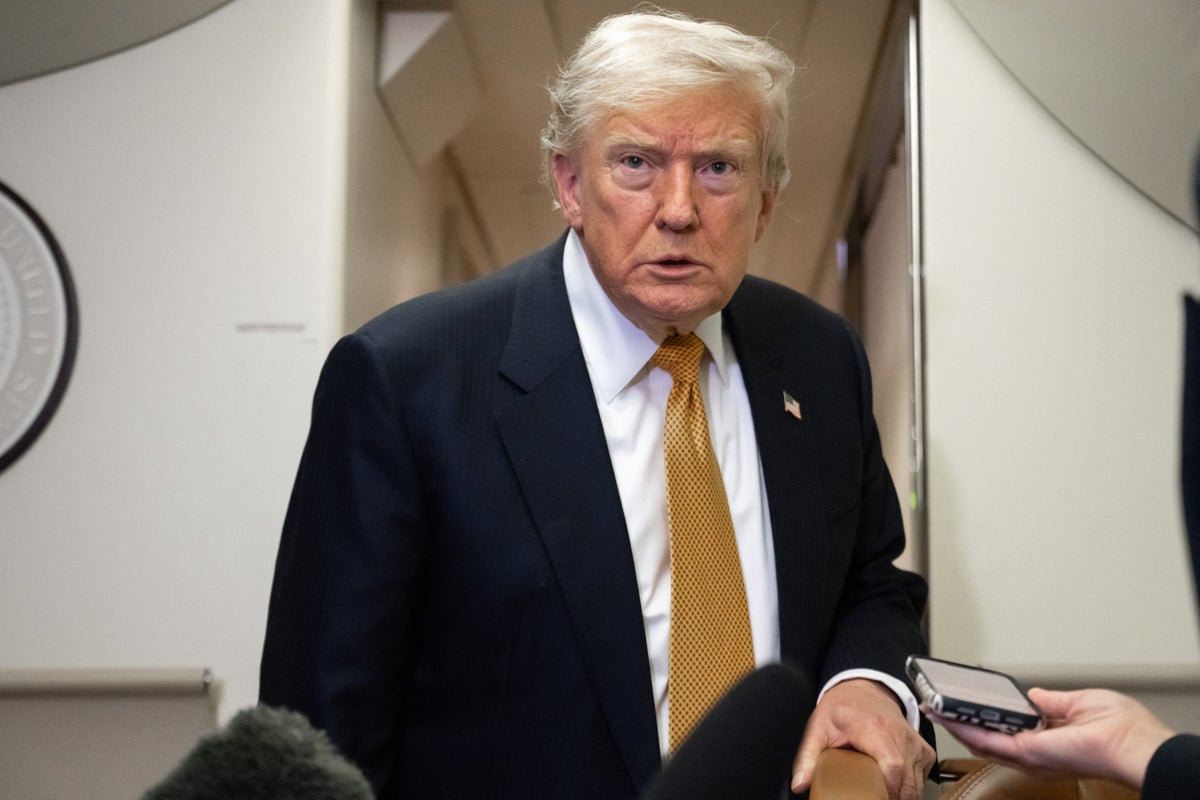
Simultaneous with the maritime conflict, the public disclosure of alleged Iranian covert operations targeting high-level U.S. political figures—specifically Donald Trump—serves a precise function within the escalation cycle. Distributed via Israeli intelligence channels, these disclosures alter the political boundaries of American foreign policy.
[Intelligence Disclosure of Covert Plots]
                 |
                 v
[Eliminates U.S. Political Room for Diplomacy]
                 |
                 v
[Forces Shift from Proportional Response to Strategic Degradation]
This dynamic removes any domestic political viability for sustained diplomatic engagement by the U.S. administration. It shifts the American operational mandate from "proportional deterrence" to "systemic degradation." This shift was visible in the composition of the latest CENTCOM strikes. The targeting matrix expanded beyond asymmetric naval assets to hit fixed, high-value continental infrastructure:
- Early Warning Systems: Coastal surveillance radars and localized command-and-control nodes along the northern edge of the Strait.
- Logistical Bottlenecks: Dual-use transportation infrastructure, including railway and vehicular bridges leading to key eastern mobilization zones like Mashhad.
- Kinetic Launch Assets: Surface-to-air missile batteries and anti-ship cruise missile (ASCM) storage facilities near Bushehr.
Operational Constraints and Strategic Risks
The current military posture contains severe structural limitations for all participating forces. The U.S. strategy relies on aerial and naval bombardment to degrade the IRGC’s anti-access/area-denial (A2/AD) capabilities. However, a pure strike campaign cannot fully neutralize an asymmetric threat that relies on highly mobile, easily concealed assets like fast attack craft and truck-mounted ASCM launchers. Complete neutralization would require a sustained naval escort operation or a comprehensive maritime blockade, both of which demand immense logistical footprints and risk drawing regional allies into direct conflict.
For Iran, the risk lies in over-leveraging its primary economic asset. Threats to seize or destroy major energy hubs, such as Kharg Island—which handles approximately 90 percent of Iran's crude exports—would cripple its own domestic economy long before forcing a total Western withdrawal. The regime faces a deep internal fracture between hard-line military commanders who view total closure of the Strait as an absolute strategic deterrent, and pragmatic technocrats who recognize that complete economic isolation will accelerate domestic destabilization.
The immediate operational outlook points away from a diplomatic resolution and toward a high-frequency, cyclical war of attrition. The United States will likely formalize its naval blockade protocols while establishing a multinational maritime security framework to bypass Iranian-claimed routes. Iran will counter by expanding its asymmetric targeting zone beyond the Strait, using localized denial tactics to make commercial insurance premiums cost-prohibitive. The conflict has evolved beyond a dispute over a ceasefire agreement; it is now a structural contest to permanently redefine the legal and physical architecture of global maritime transit.