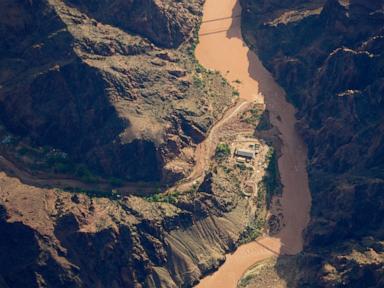
Rapid meteorological shifts in deep canyon topography generate immediate, high-velocity hydrological hazards that routinely overwhelm standard wilderness risk assessments. When intense convective storms drop high volumes of rain onto impermeable desert surfaces, steep elevation gradients channel runoff into narrow gorges within minutes. Understanding the mechanics of these flash floods requires stripping away anecdotal descriptions of weather events and examining the precise physical variables governing water accumulation, funneling velocity, and human response windows.
The Physical Drivers of Canyon Hydrology
Flash flooding in the Grand Canyon is primarily a function of three physical variables: basin morphology, soil saturation metrics, and precipitation intensity rates.
Basin Morphology and Funneling Effects
The canyon network acts as a natural drainage basin where hundreds of square miles of high-plateau terrain funnel into narrow, restricted tributary corridors. When precipitation occurs miles away on the rim, hikers deep within the inner gorge receive zero visual or auditory warning of the impending surge. The hydraulic radius of these side canyons restricts lateral expansion, forcing incoming water volumes upward and forward. This dynamic dramatically increases flow velocity and hydrostatic pressure.
Soil Mechanics and Runoff Coefficients
Arid and semi-arid soils possess high clay and crust content, creating near-zero infiltration rates during sudden cloudbursts. When dry soil encounters heavy rain, the top millimeter forms a sealed hydrophobic layer. Instead of absorbing moisture, the terrain functions like an artificial asphalt parking lot. Surface runoff coefficients approach 1.0, meaning virtually 100 percent of fallen precipitation instantly converts into surface sheet flow.
Precipitation Intensity Thresholds
Standard rainfall measurements focus on total accumulation over twenty-four hours. Flash flood generation, however, depends entirely on sub-hourly precipitation rates. Rainfall exceeding 0.5 inches in a thirty-minute window over steep bedrock basins reliably triggers destructive debris flows. These flows do not consist of clean water; they carry dense mixtures of silt, boulders, uprooted vegetation, and deadfall, increasing the fluid density and impact force exponentially.
Quantifying the Human Response Window
Survival in a slot canyon during a meteorological event is governed by a strict temporal constraint known as the time of concentration. This metric defines the duration required for runoff to travel from the most hydraulically remote point in the drainage basin to a specific downstream location.
[Precipitation Event] -> [Surface Saturation] -> [Basin Concentration] -> [Kinetic Impact]
In typical tributary systems within the Grand Canyon, this window ranges from fifteen to forty-five minutes. Because human cognitive processing under stress requires several minutes to transition from situational awareness to evacuation action, the actual operational window is dangerously narrow. Hikers who wait for visual confirmation of an approaching flood wave before moving to high ground face an insurmountable physical deficit. Water moving through a constricted channel accelerates past critical Froude numbers, transitioning from subcritical tranquil flow to supercritical raging torrents that can sweep away anchored individuals and equipment instantly.
Systemic Failures in Wilderness Risk Management
Standard backcountry safety advisories rely on generalized weather forecasts that lack the spatial resolution required for micro-climate mountain terrain. National Weather Service alerts cover massive zones, often spanning thousands of square miles. A flash flood warning for a generic county provides little operational utility for a backcountry traveler camped in a specific drainage zone.
Furthermore, risk communication strategies frequently underestimate visitor cognitive biases. Recreationalists regularly normalize minor weather disturbances, treating intense rain as a temporary discomfort rather than an indicator of upstream hydrological catastrophe. This misinterpretation stems from a fundamental disconnect between atmospheric conditions at the canyon floor and meteorological triggers occurring miles away on the higher elevation rims.
Operational Countermeasures and Evacuation Protocols
Mitigating the hazards of rapid canyon inundation demands a shift from reactive escape strategies to proactive terrain selection and hydraulic mapping.
- Tributary Vulnerability Assessment: Prior to entering any side canyon or wash, evaluate the upstream catchment area size and the presence of exposed bedrock versus vegetated slopes. Large catchment areas with bare stone guarantee rapid runoff response times.
- Vertical Ingress Planning: Identify high-ground escape routes before setting up camp or resting in narrow zones. A safe location must be above the maximum historical scour line, identifiable by stripped vegetation and debris wedged high in rock crevices.
- Weather Derivative Tracking: Disregard daily temperature forecasts and monitor radar loops for convective cell development over the Kaibab Plateau. If storm cells stationary over feeder basins are detected, immediate evacuation of slot canyons is mandatory regardless of local sunshine.
- Equipment Shedding Discipline: In a rapidly rising water scenario, heavy packs destroy swimming capability and reduce mobility. Standard protocols must mandate the immediate abandonment of gear to prioritize vertical movement.
Managing high-risk terrain requires treating every convective storm forecast over high-elevation rims as an active hydraulic emergency for all downstream drainages. The margin between a manageable rain shower and a catastrophic debris torrent is measured in minutes, leaving no room for hesitation or flawed risk calculations.