A throbbing tooth is a universal equalizer. It starts as a dull murmur behind the jaw, a petty annoyance during a meal. Then it sharpens. It becomes a rhythmic, white-hot spike that demands your entire attention, obliterating the ability to sleep, think, or speak. Most of us reach for the phone, call a clinic, and endure a brief, unpleasant hour in a sterile chair to make it stop.
But when you are locked inside a concrete room, stripped of your laces, and waiting for a bureaucracy to decide your fate, a throbbing tooth ceases to be a medical inconvenience. It becomes a slow-motion catastrophe.
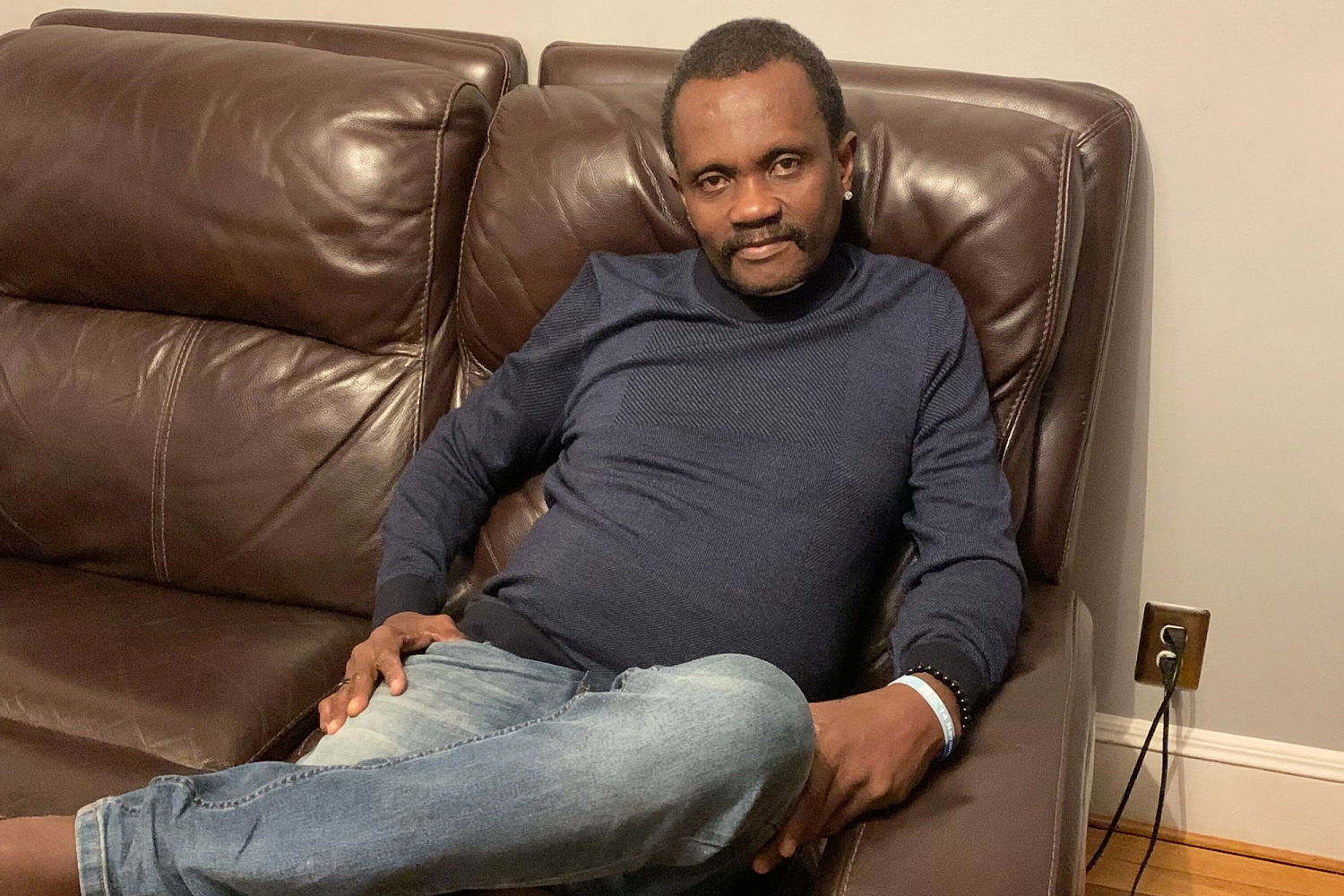
This is the reality of what happened to a thirty-three-year-old Haitian man named Wilding Resignac. He did not die of a rare tropical disease. He did not perish from a sudden, unavoidable violent act. He died in an American detention facility because a common dental infection was allowed to travel from his mouth into his bloodstream, quietly shutting down his organs.
To understand how a young man loses his life to a toothache in the wealthiest nation on earth, we have to look past the sterile language of official press releases. We have to look at the machinery of administrative neglect.
The Geography of Total Dependence
When a person enters immigration custody, their world shrinks to the perimeter of a facility. Every basic human necessity—water, blankets, calories, and medicine—is heavily rationed and strictly controlled. You cannot walk to a pharmacy for a bottle of ibuprofen. You cannot rinse your mouth with warm salt water unless someone grants you access to it.
Imagine the psychological shift that occurs in this environment. In the outside world, health is an active pursuit. In detention, health is a series of formal requests submitted into a bureaucratic void.
Medical professionals who study correctional and detention health often talk about the "delay multiplier." In a standard neighborhood, if you have an infection, you see a doctor within twenty-four hours. In a detention center, a written request must be filed, reviewed, triaged by non-medical staff, and eventually passed to a clinic that may only operate a few days a week. If the facility is understaffed, or if the staff views the detainees through a lens of inherent suspicion, those requests are easily dismissed as malingering.
For a citizen of Haiti seeking refuge or a new beginning, navigating this system involves a language barrier compounded by a barrier of sheer indifference. A toothache is easily ignored by guards who are trained to maintain security, not diagnose pathology.
How a Cavity Turns Fatal
It sounds absurd to modern ears that dental disease can kill. We treat dentistry as a cosmetic luxury or a minor subset of healthcare, separate from the "real" medicine of hearts and lungs. This separation is a dangerous illusion.
The human mouth is an incredibly vascular environment. It is a gateway directly connected to the rest of the body. When a tooth decays, the enamel erodes, exposing the soft, living pulp inside. If bacteria invade this space, an abscess forms at the root.
In a normal scenario, an antibiotic or a root canal clears the infection. But if left untreated, the bacteria do not stay contained in the jaw. They burrow. They can push outward into the deep spaces of the neck, swelling the airway until the patient suffocates—a condition known as Ludwig’s angina. Or, as in the tragic trajectory of many neglected infections, the bacteria spill directly into the bloodstream.
Once the bloodstream is compromised, the body triggers a massive, systemic inflammatory response known as sepsis. It is an internal civil war. The immune system, trying desperately to kill the invaders, begins destroying its own tissues. Blood pressure drops to dangerous lows. The heart pumps frantically to move oxygen through failing vessels. One by one, the kidneys, the liver, and the lungs begin to go dark.
By the time a patient reaches this stage, they are not just dealing with a bad tooth. They are experiencing a systemic collapse that requires intensive, round-the-clock ICU intervention. For Wilding Resignac, that intervention came far too late. The infection had already won.
The Pattern of the Disregarded
This tragedy did not occur in a vacuum. It is part of a well-documented pattern of medical infrastructure failures within U.S. Immigration and Customs Enforcement (ICE) facilities. Over the years, independent oversight reports, human rights organizations, and internal whistleblowers have repeatedly pointed to a systemic failure to provide timely, competent medical attention to individuals in custody.
Consider the structural setup of these centers. Many are operated by private, for-profit prison corporations. In a for-profit model, every dollar spent on a specialist—like a dentist or an oral surgeon—is a dollar taken directly from the bottom line. There is a built-in financial incentive to delay care, to use temporary fixes like over-the-counter painkillers, and to hope the individual is transferred or deported before the condition becomes a crisis.
When a death like this occurs, the official response usually follows a familiar script. A brief statement is released. The individual's immigration history is highlighted, as if to subtly justify their treatment. A standard review is promised.
But these statements obscure the profound human cost. They turn a living, breathing person with a family, a history, and a future into a line item on an actuarial table. They mask the terror of a man spending his final days in agonizing pain, surrounded by walls, unable to convince the people holding the keys that he was dying.
The Weight of Accountability
We often measure the morality of a society by how it treats the people it holds in captivity. When the state deprives a person of their liberty, it assumes total responsibility for their life. It enters into an unspoken contract: You cannot care for yourself, so we must care for you.
Breaking that contract through violence is a crime. Breaking it through profound, bureaucratic neglect is an entirely different kind of cruelty, one that leaves no fingerprints but is just as lethal.
The loss of a life to a dental infection in the twenty-first century is not a medical mystery. It is a failure of empathy, a failure of systemic design, and a failure of basic human decency. It reveals a culture where some lives are deemed so disposable that even the most excruciating, visible signs of physical distress can be looked at, logged into a computer, and ultimately ignored.
Somewhere, a family is mourning a son, a brother, a friend who left home looking for safety and found a concrete cell where a simple infection became a capital punishment. The true tragedy is that the remedy was simple, cheap, and readily available just beyond the facility gates.
The heavy steel door remained locked. The paperwork sat on a desk. The fever climbed. And in the quiet, indifferent dark of a detention unit, a man’s world ended because no one bothered to look closely enough at his pain.