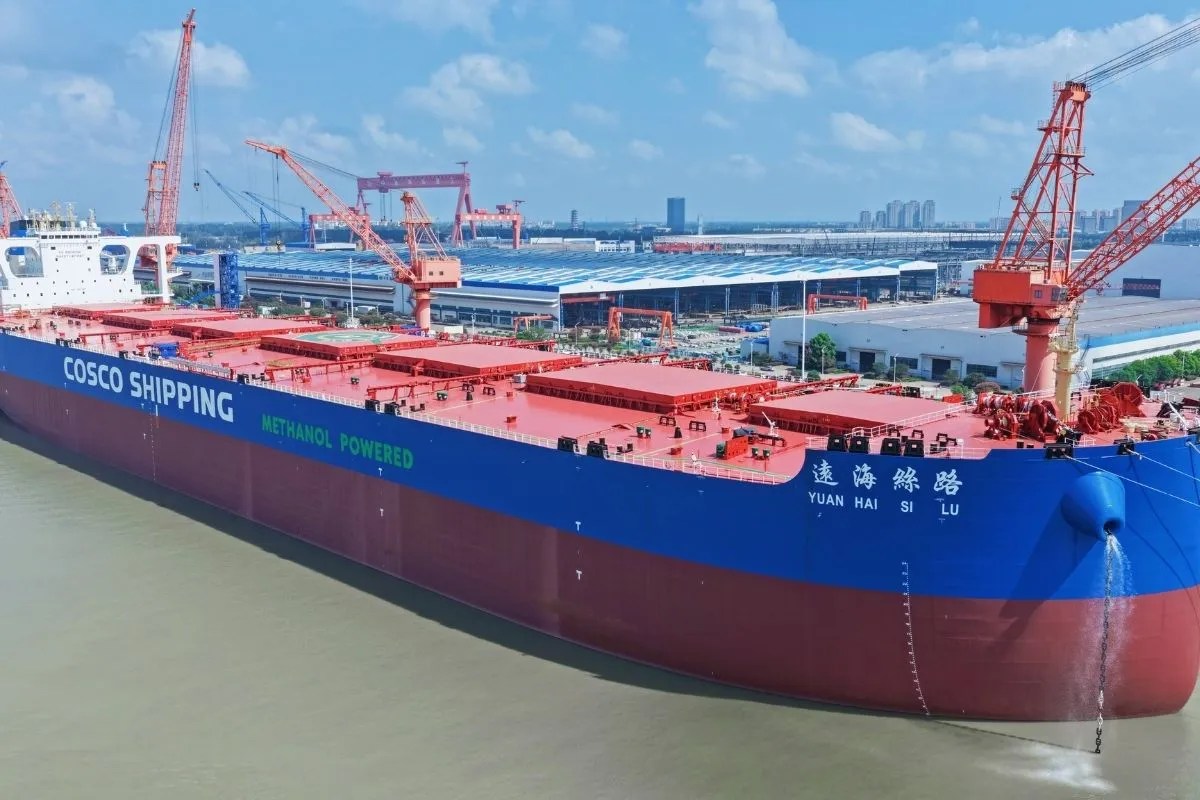
Modern supply chain logistics operate on open architectural frameworks that prioritize velocity and volume over network hygiene, leaving critical maritime choke points vulnerable to dual-use intelligence collection. Recent security disclosures highlighting state-directed monitoring mechanisms aboard commercial container fleets demonstrate that the boundary between civilian trade and military reconnaissance has functionally collapsed. State-backed shipping entities operate under statutory obligations that legally compel the integration of surveillance capabilities into commercial transit assets, fundamentally altering the risk profile of global logistics nodes.
Deconstructing this operational model requires examining the structural integration of civilian assets into national defense frameworks. State-directed maritime intelligence relies on three distinct vectors: continuous signals interception, automated positional profiling, and infrastructure-level terminal access. Commercial carriers traverse sovereign territorial waters under standard international transit rights, shielding specialized telemetry collection hardware from routine boardings or customs inspections. This architecture converts standard transnational container movement into a persistent, low-signature surveillance grid.
The integration of signals intelligence collection hardware onto commercial hulls exploits the high density of maritime radio frequency traffic near major global ports. Container vessels routinely operate high-gain antennae arrays and broad-spectrum receivers for navigation, automated identification systems, and commercial satellite communications. Concealed augmentations within these systems intercept tactical military communications, radar emissions, and encryption handshakes from allied naval assets operating in littoral zones. Because commercial liners maintain predictable berth schedules at strategic port facilities in North America, Europe, and Asia, they act as stationary or slow-moving sensor platforms capable of mapping electronic order-of-battle data over multi-year operational lifecycles.
Assessing the cost function of this dual-use strategy reveals an asymmetric advantage for state planners. Traditional military intelligence collection vessels incur massive capital and operational expenditures, remain easily identifiable by foreign defense ministries, and trigger immediate diplomatic friction when operating near adversary coastlines. In contrast, embedding surveillance nodes within a commercial fleet capitalized by global container trade socializes the operational overhead. The marginal cost of adding classified telemetry modules to a multi-billion-dollar global shipping enterprise approaches zero, while the intelligence yield regarding foreign military telemetry and encryption evolution provides high strategic utility for regional defense postures.
Operational dependencies complicate any regulatory or administrative countermeasure. Major state-linked carriers maintain deep structural integration within Western import-export ecosystems, holding joint-venture equity in container terminals and managing core intermodal distribution paths. Imposing broad-based restrictions or punitive port fees on these entities threatens severe supply chain degradation, creating a policy deadlock. Trade networks cannot undergo rapid surgical extraction without inducing systemic friction across automotive, manufacturing, and consumer goods markets. Consequently, target nations face a structural dilemma where maintaining open trade corridors necessitates tolerating an opaque layer of persistent electronic surveillance within their domestic maritime infrastructure.
The strategic trajectory of maritime logistics points toward mandatory asset vetting, localized cargo data localization, and expanded jurisdiction for naval intelligence within commercial harbor zones. Governments will likely utilize defensive legislative instruments, such as enhanced military-industrial linkage designations and supply chain transparency mandates, to isolate domestic port operations from state-directed fleet operators. Mitigating this risk requires port authorities to decouple terminal infrastructure management from carriers tied to foreign intelligence mandates, enforcing stringent physical and digital audits of all commercial vessels entering sovereign coastal waters.