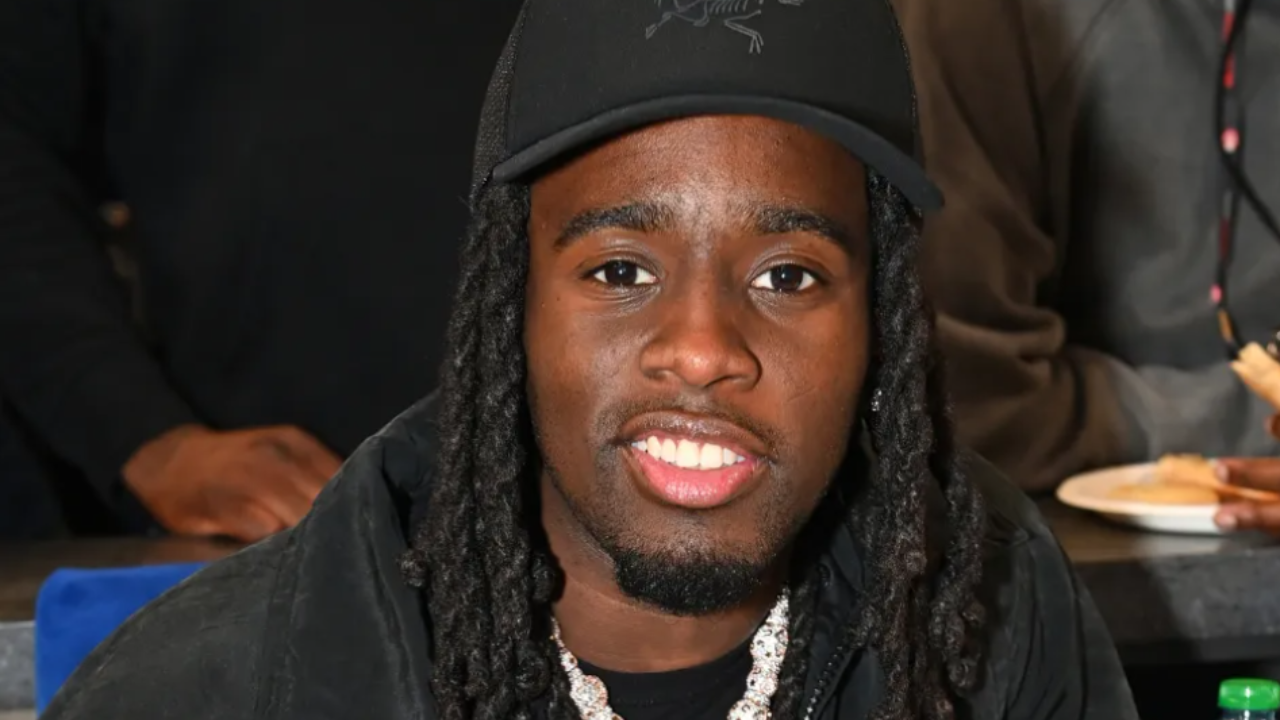
On July 6, 2026, content creator Kai Cenat returned from a nine-month broadcasting hiatus, securing over one million peak concurrent viewers during a single live event. The broadcast served as the official roster reveal for Streamer University 2026. Rather than indicating a mere resurgence of fan curiosity, the event outlines a structural shifts in digital media distribution: the transition from platform exclusivity to multi-platform audience aggregation.
By executing a simultaneous broadcast across Twitch and YouTube, Cenat bypassed the operational bottlenecks of single-platform reliance. The tracking metrics establish a clear breakdown of this distributed architecture. The broadcast peaked at 708,563 concurrent viewers on Twitch and added over 400,000 concurrent viewers on YouTube, driving the combined real-time audience past the one million mark. This multi-platform model highlights how top-tier creators are leveraging decentralized distribution to maximize audience capitalization. For an alternative look, see: this related article.
The Economics of Scale: Dual-Platform Multi-Streaming Architecture
Platform exclusivity historically operated as a security mechanism for streaming platforms, which offered upfront financial guarantees to secure monopolistic distribution of top-tier talent. This structure created a linear growth cap for creators, binding their audience acquisition to the algorithmic constraints and demographic limitations of a single product ecosystem.
The July 2026 broadcast demonstrates a diversification strategy modeled by the following structural advantages: Similar insight regarding this has been provided by MarketWatch.
- Algorithmic Arbitrage: Twitch and YouTube operate on distinct discovery mechanisms. Twitch relies heavily on live directory categorization, active community engagement, and real-time category momentum. YouTube's live architecture leverages asynchronous video-on-demand (VOD) recommendation engines, feeding live streams directly into the home feeds of users who consume pre-recorded content. Simulcasting exposes a single event to both discovery loops simultaneously.
- Audience Fragmentation Mitigation: Consumers of digital media are highly siloed. A substantial segment of YouTube's daily active user base does not actively navigate to Twitch, and vice-versa. Multi-streaming eliminates the friction of cross-platform migration, capturing audiences within their native consumption environments.
- Asymmetric Monetization Redundancy: Relying on one platform exposes a media enterprise to platform-specific policy shifts, sudden changes in ad-revenue splits, or technical infrastructure failures. Simultaneously broadcasting across infrastructure footprints diversifies the revenue matrix. During the first six hours of the broadcast alone, Cenat captured over 60,000 new Twitch subscriptions, while concurrently building watch-time data on YouTube to fuel its long-form recommendation algorithm.
Intellectual Property Incubation: The Streamer University Framework
The core content engine driving this viewership surge was not casual gameplay or conversational commentary, but the structural scaling of an independent media asset: Streamer University 2026. The project functions as a specialized incubator designed to bridge the structural gap between micro-creators and established digital entities.
The initiative operates on a highly competitive, fully subsidized model. The 2026 application window attracted over one million digital applicants globally, competing for a highly restrictive cohort of roughly 100 to 150 student seats. To eliminate economic friction and ensure maximum operational focus during the summit, accepted participants receive zero-cost attendance, travel accommodations, and curated meals.
The architecture of this incubator relies on a dual-tier framework:
The Faculty Layer
The program establishes distribution power by recruiting top-tier creators across distinct content niches to serve as instructors. The 2026 faculty roster includes prominent internet personalities such as Agent00, Duke Dennis, Pokimane, Ludwig, Maya Higa, Cinna, TheSushiDragon, Adapt, YourRAGE, Poudii, Lizzo, and Kaiya Cenat. Each brings distinct core competencies—ranging from technical production and platform-specific monetization to long-term community retention and brand diversification.
The Student Distribution Funnel
The curriculum targets early-stage creators, some of whom routinely broadcast to single-digit audiences. By placing these micro-creators into cross-collaborative environments with high-tier talent, the incubator triggers an immediate transfer of distribution power. During the inaugural 2025 iteration hosted at the University of Akron—which generated over 27 million total hours of watch time—graduating students experienced exponential audience spikes driven entirely by the network effects of cross-platform discovery.
System Constraints and Operational Risk Matrix
While decentralized distribution yields historic viewership metrics, the operational model introduces substantial logistical constraints and systemic vulnerabilities that digital media enterprises must calculate:
- Production Overhead and Bandwidth Fragmentation: Managing a high-fidelity simulcast requires a robust local infrastructure stack. Encoding a single high-definition video feed and broadcasting it across disparate RTMP (Real-Time Messaging Protocol) or SRT (Secure Reliable Transport) endpoints requires significant hardware processing power and enterprise-grade symmetric upload speeds to prevent packet loss.
- Chat Disconnect and Community Dilution: A primary driver of live-stream retention is the real-time feedback loop between the broadcaster and the chat interface. Splitting an audience across Twitch and YouTube fragments this interaction. Broadcasters are forced to either use unified aggregation tools—which can dilute the unique subcultures inherent to each platform—or prioritize one chat interface over the other, alienation-testing the secondary audience.
- Commercial Monetization Conflicts: Multi-streaming complicates standard sponsorship execution. Brands frequently negotiate campaigns based on platform-specific metrics, tracking pixels, or exclusive chat integrations (such as custom Twitch extensions). Executing a multi-platform broadcast requires complex legal frameworks to ensure ad-reads, product placements, and commercial overlays comply with the terms of service and tracking capacities of all utilized platforms.
Strategic Playbook: The Decentralized Distribution Mandate
Media enterprises and independent creators looking to replicate this operational scale cannot rely on raw cultural momentum. To maximize audience reach, organizations must deploy a structured distribution framework.
First, transition away from platform-exclusive agreements unless the guaranteed baseline capital covers the projected lifetime value of multi-platform audience acquisition. The long-term equity of owning an un-siloed, cross-platform audience consistently outpaces short-term exclusivity premiums.
Second, engineer high-concept, intellectual property events that naturally incentivize multi-platform consumption. Do not treat a live broadcast as a passive consumption window; treat it as an event launchpad. Build proprietary assets, such as specialized incubators or multi-day summits, that aggregate secondary talent networks to drive external traffic into your distribution hubs.
Third, deploy unified ingestion architectures to manage technical and social friction. Utilize dedicated hardware encoders to offload processing strain and implement centralized chat orchestration systems that allow production teams to feed multi-platform engagement back to the primary broadcaster in a clear, unified view. Diversification of distribution is no longer an optional growth tactic; it is the baseline requirement for maintaining sovereign audience equity.


