The screen in the corner of the room stays dark until it doesn't.
That is how modern crises begin. Not with a marching band or a declaration carved into stone, but with the sharp, blue-white glare of a terminal refreshing at three in the morning. Somewhere in a basement beneath the capital, an analyst rubs tired eyes. Somewhere across an ocean, a diplomat stares at a blank draft of an agreement that may never find ink.
We live our lives three steps removed from the trigger. We drink our morning coffee, scroll through notifications, and try to measure the distance between a threat shouted into a microphone and a missile resting in a silo. Usually, that distance is measured in miles. Today, it is measured in semantics.
Consider what happens when a single sentence from an American president collides with the hardened bureaucracy of Tehran.
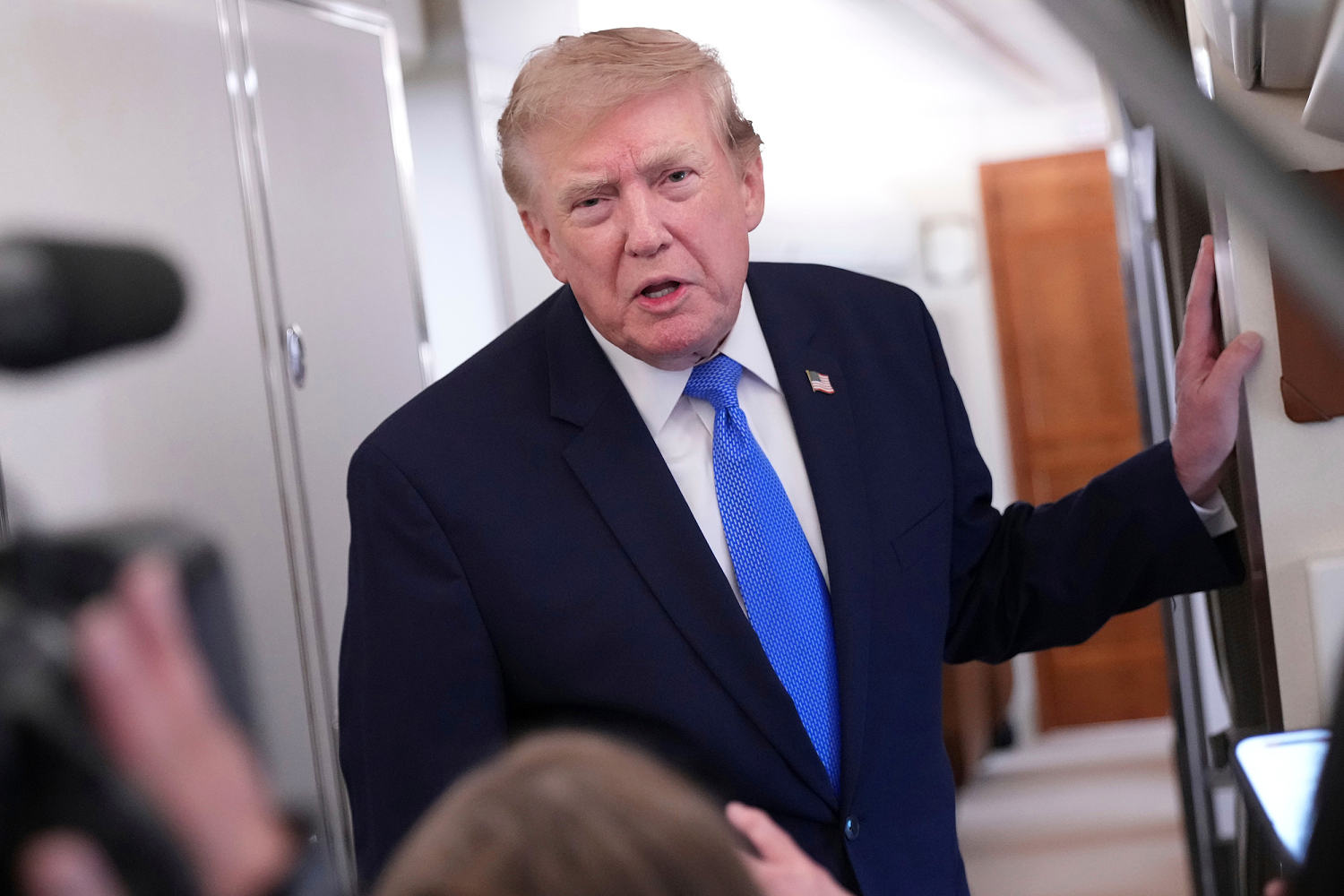
Donald Trump took to his digital pulpit to announce a pivot. New talks, he claimed, would start Monday. The implication hung heavy in the air, sweet and fragile as spun glass: the canceled retaliatory strikes, pulled back at the eleventh hour after the downing of a surveillance drone, had cleared the path for diplomacy. The message was simple. We pulled our punches, and now they are coming to the table.
Except they were not.
Almost before the digital ink had dried, the official response from Iran snapped back like a steel trap. No. There are no talks. There is no Monday. There is only the heavy, suffocating silence of an impasse that refuses to break.
Silence.
It is the most terrifying sound in geopolitics. When two adversaries are screaming at each other through megaphones, you at least know where their lungs are pointed. When one side offers an olive branch that the other refuses to touch—treating it not as a gift, but as a spear wrapped in leaves—the air goes dead.
To understand why this denial matters, you have to strip away the punditry and look at the architecture of statecraft. In international relations, perception is not merely reality; it is ammunition. When a superpower announces that an enemy is suing for peace, it does two things simultaneously. It signals magnanimity to domestic voters, and it paints the adversary as weak, cornered, and ultimately compliant to international pressure.
For Tehran, accepting that narrative is political suicide. To admit to new talks on American terms, immediately following a near-miss with military annihilation, would be to bow. It would mean telling a domestic populace that the regime cowered beneath the shadow of American air power. So, the denial had to be swift. It had to be absolute.
Yet, beneath the public posture of defiance, the reality is far messier.
(Note: To picture this dynamic clearly, imagine a high-stakes poker game played in a pitch-black room. Neither player can see the other's cards, but both can hear the subtle rustle of chips being stacked. Every public statement is a bluff shouted across the dark.)
Diplomacy rarely stops because someone says it stops. It merely goes underground. Backchannels hum with frantic static. Swiss intermediaries, long accustomed to carrying messages between governments that refuse to share a room, dial their secure phones. Messages are parsed for hidden meanings. Is a flat denial a door slamming shut, or is it just the sound of a door being locked to keep the reporters out while the real bargaining begins?
History tells us that crises rarely resolve through straight lines. In the summer of 1988, after the USS Vincennes tragically shot down an Iranian commercial airliner, the rhetorical hostility reached a boiling point that felt entirely permanent. Yet, beneath the diplomatic wreckage, channels remained open because the alternative was unthinkable. Nations on the brink of war are often locked in a bizarre, deadly tango where every step forward is masked as a retreat.
When we look at the phantom Monday that never arrived, we are watching the friction between two entirely different universes.
In the American political universe, narrative is everything. Events are episodic, structured for the news cycle, designed to show decisive action followed by magnanimous resolution. A crisis has a beginning, a middle, and a press conference.
In the Iranian political universe, time operates on a geological scale. Pride is institutionalized, woven into centuries of resistance against foreign interference. A slight is not forgotten in a week; it is cataloged, weighed, and answered with calculated friction. To rush into talks because a foreign leader tweeted an invitation would violate the foundational grammar of the regime.
So where does that leave the rest of us?
It leaves us suspended in the gray space between a tweet and a denial. It leaves us waiting for a signal that may be happening in secret while being publicly disavowed.
The danger of this moment is not that diplomacy is dead. The danger is that the performance of hostility becomes so loud, so rigid, and so thoroughly broadcast to the world that neither side can afford to step off the stage. When leaders box themselves into corners with public proclamations, the room for quiet compromise shrinks to the width of a razor's edge.
A week from now, the Monday that Trump promised will have passed. The news cycle will have lurched toward some new, glittering catastrophe. The pundits will have found fresh vocabulary to describe the stalemate.
But down in the basements, the analysts will still be staring at their screens. The intermediaries will still be whispering into encrypted lines. And somewhere over the dark expanse of the Gulf, a pilot will bank a heavy gray aircraft into the night, flying a pattern that has no beginning and no end.