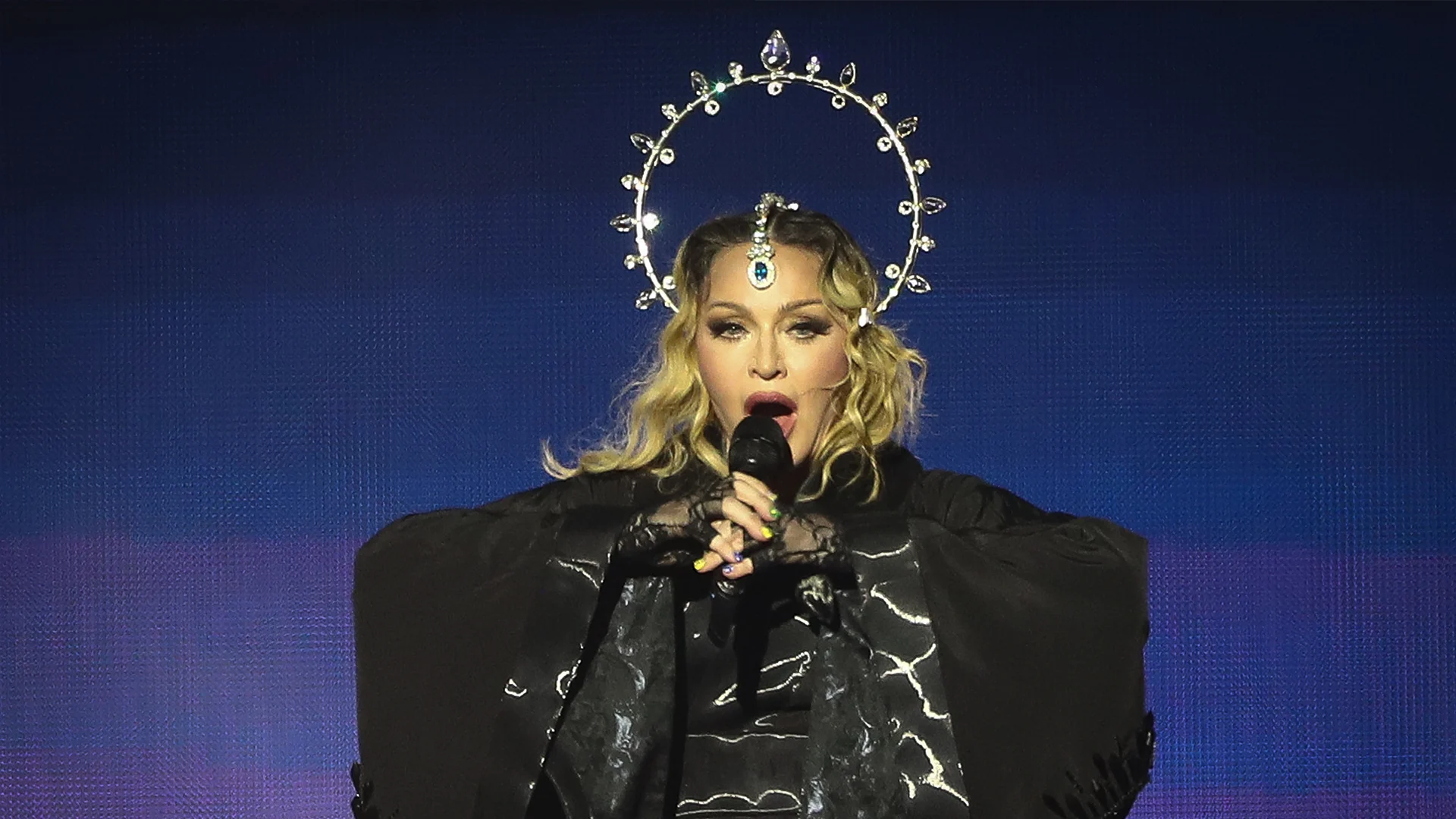
Angelique Kidjo securing a star on the Hollywood Walk of Fame marks a significant structural shift in how global recognition is allocated within the entertainment industry. For decades, the Walk of Fame operated as a domestic-centric marketing mechanism for the United States motion picture, recording, and television sectors. The inclusion of Kidjo as the first Black African artist to achieve this specific designation exposes the underlying friction points in how institutional validation scales across geographic and cultural borders. Analyzing this milestone requires moving past superficial celebration and examining the economic, institutional, and cultural mechanics that govern global artistic distribution.
The Cost Function of Institutional Recognition
The Hollywood Walk of Fame is not a random collection of cultural figures; it is a managed asset administered by the Hollywood Chamber of Commerce. The nomination process requires a formal application, a sponsoring party, and a substantial financial commitment known as the sponsorship fee, which covers the creation and installation of the star, plus ongoing maintenance.
For international artists, the cost function includes invisible friction variables:
- Domestic institutional backing and localized public relations infrastructure.
- Cross-border revenue verification that satisfies US-centric commercial metrics.
- Prolonged advocacy by regional diaspora networks or major US-based label stakeholders.
When an artist from the African continent penetrates this system, it signals a recalibration of how market value is calculated by the gatekeepers of Western entertainment infrastructure. Kidjo's recognition demonstrates that the commercial and critical gravity of African music has reached a threshold where omission creates a noticeable deficit in the historical legitimacy of the Walk of Fame itself.
The Three Pillars of Global Cultural Longevity
Kidjo's trajectory offers a masterclass in navigating long-term cultural positioning without relying on transient algorithmic trends. Her career provides a structural blueprint built on three distinct pillars:
1. Linguistic and Sonic Polyphony
Kidjo records and performs in multiple languages, including Fon, Yoruba, Mina, French, and English. By refusing to flatten her output into a single Western-accessible format, she forces international markets to adapt to her linguistic framework rather than the reverse. This strategy expands her total addressable market across francophone, anglophone, and indigenous African demographics simultaneously.
2. Archival Preservation as Commercial Asset
Rather than treating traditional West African folk songs as static artifacts, Kidjo systematically re-contextualizes them within contemporary jazz, funk, and pop arrangements. This operational model transforms heritage music into a dynamic intellectual property portfolio, generating sustainable publishing revenue while educating global listeners on the roots of modern popular music.
3. Institutional Interoperability
Sustained global relevance requires the ability to operate across disparate institutional ecosystems. Kidjo has maintained credibility with grassroots African cultural movements while collaborating seamlessly with Western philharmonics, Hollywood film score producers, and multinational record labels. This institutional versatility prevents her from being pigeonholed into a novelty category.
Mapping the Systemic Limitations of Global Music Metrics
Despite milestones like Kidjo's star and the introduction of categories like the Grammy Award for Best African Music Performance, structural biases persist in global entertainment data tracking.
Streaming economics heavily favor markets with high average revenue per user and established digital infrastructure. Consequently, consumption in emerging African markets often remains underrepresented in global charts, leading to a distorted view of an artist's true economic impact. Western media organizations frequently frame international success through the lens of discovery rather than mature market dominance, ignoring the decades of localized infrastructure that preceded the crossover moment.
A rigorous examination of these metrics reveals that international artists must clear a higher performance threshold to achieve the same level of institutional validation as their US-based peers. They must prove cross-continental touring viability, master multiple distribution networks, and navigate complex currency fluctuations and localized copyright laws.
The Strategic Shift in International Entertainment
The inclusion of trailblazing African artists on monuments like the Hollywood Walk of Fame accelerates a broader decentralization of the global entertainment industry. As production hubs multiply in Lagos, Johannesburg, Nairobi, and beyond, the dependency on traditional Western validation pathways diminishes.
Entertainment executives and cultural strategists must discard old assumptions about market geography. The future valuation of artistic capital will favor creators who possess high cross-cultural fluency, robust intellectual property portfolios, and the operational resilience to scale across multiple economic ecosystems without losing their foundational identity. The organizations that adapt their talent acquisition and recognition frameworks to reflect this decentralized reality will capture the highest returns in the next decade of global media consumption.