High in the Qalamoun Mountains of Syria, a sound exists that shouldn't. It is the sharp, guttural, yet melodic cadence of Western Neo-Aramaic. If you’ve ever sat in a Sunday school class or watched a biblical epic, you’ve heard about this language. It’s the tongue Jesus of Nazareth used to preach the Sermon on the Mount. But in the village of Maaloula, it isn't a relic in a museum. It is how you ask for a cup of coffee or argue about the price of tomatoes.
Maaloula is one of the last places on Earth where this specific dialect survives. It’s a literal cliffside sanctuary where houses seem to grow out of the pale limestone rock. For centuries, the isolation of these mountains acted as a shield. Now, that shield is shattered. Between the scars of the Syrian Civil War and the relentless pull of global modernization, the language of Christ is facing a silent extinction. We aren't just talking about losing words; we’re talking about losing a living connection to antiquity.
The Night the Silence Broke
To understand why Maaloula is on the edge, you have to look at 2013. Before the war, the village was a symbol of pluralism. Christians and Muslims lived side by side, both speaking Aramaic. Then, Al-Nusra Front militants swept down from the hills. They didn't just bring guns; they brought a desire to erase the village's identity.
Monasteries like Mar Sarkis and Mar Taqla were desecrated. Ancient icons were stolen or burned. Many residents fled to Damascus or abroad to Lebanon, Europe, and Canada. When the Syrian army eventually retook the village, the people who returned found their homes in ruins. More importantly, the social fabric was frayed. When a community disperses, the language is the first thing to go. You can’t speak Aramaic to a neighbor in a displacement camp who only speaks Arabic.
More Than Just a Dialect
Aramaic isn't a single monolithic block. The version spoken in Maaloula, along with the nearby tiny hamlets of Jubb'adin and Bakh'a, is Western Neo-Aramaic. It’s distinct from the Eastern Aramaic used by Assyrian Christians in Iraq or Iran.
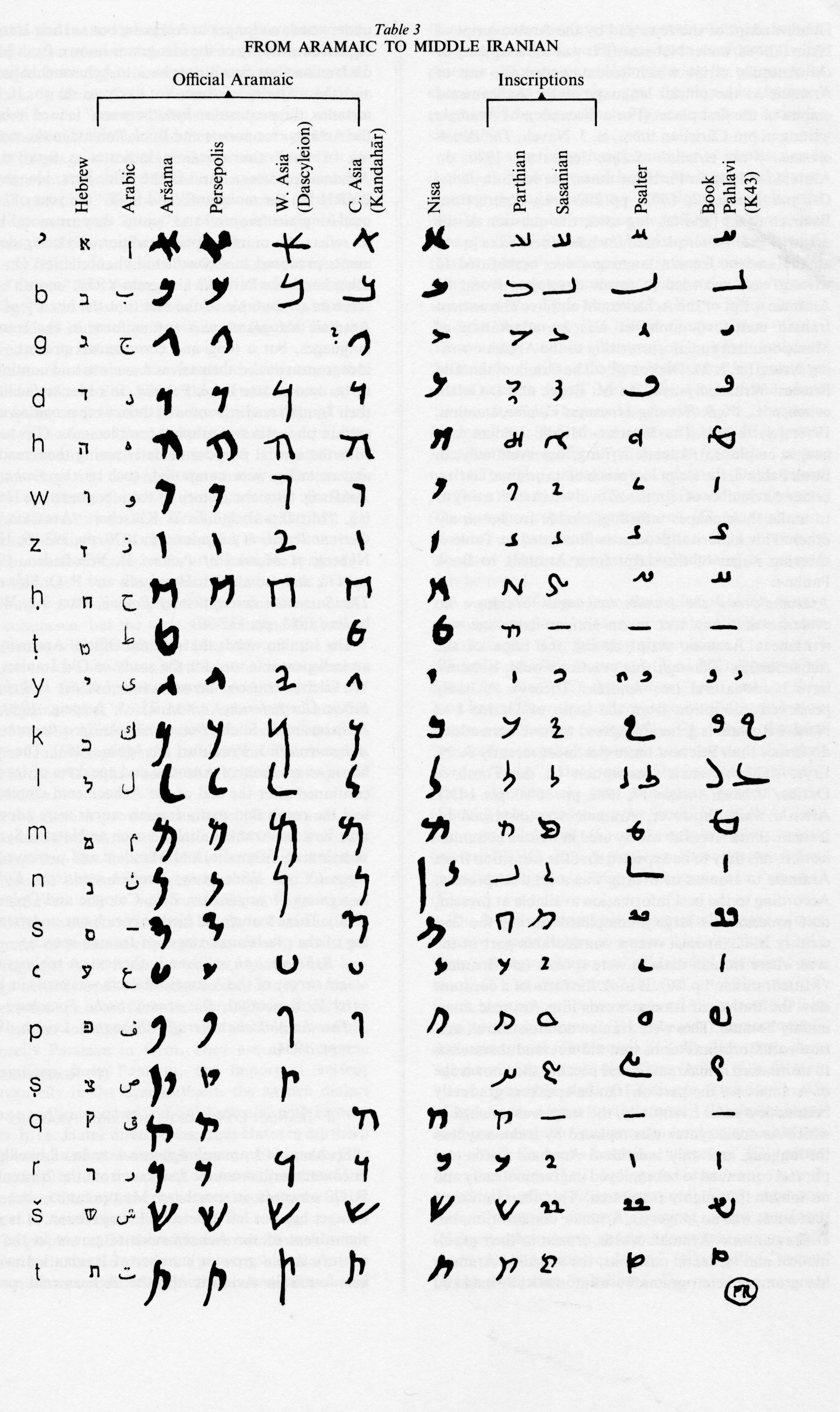
It’s a linguistic bridge. It shares roots with Hebrew and Arabic but retains a structure that feels ancient. When you hear a local recite the Lord’s Prayer in "Abun d-bashmayo," it’s bone-chilling. It sounds like history breathing. But here is the problem: there is no standardized written form that everyone uses. It has survived for 2,000 years primarily as an oral tradition passed from mother to child. If the children stop speaking it, the chain breaks forever.
The Economic Death Sentence
Most people blame the war for the decline, and they're right, but it's only half the story. The real killer is economic necessity. Maaloula used to be a bustling pilgrimage site. Tourists from all over the world would flock to the shrine of Saint Taqla. That's gone.
Now, the young people of Maaloula face a brutal choice. They can stay in their beautiful, crumbling mountain home and struggle to find work, or they can move to Damascus. In the city, Arabic is the language of commerce, education, and survival. Aramaic becomes a "home language"—something you only use with your grandma. Within one generation, it becomes a "heritage language," meaning you know a few phrases but can’t hold a conversation. By the third generation, it's a memory.
Efforts to Save the Echo
It’s not all doom. There are people fighting back. Before the war, an Aramaic language center was established in the village, supported by the Damascus University. It was a beacon of hope. They tried to formalize the script and teach the youth how to read and write what they had only ever spoken.
The center was damaged during the fighting, and though there have been attempts to revive it, the momentum is sluggish. Some dedicated teachers still hold informal classes. They know that if they don't hook the kids now, the language dies with the current elders. They’re competing with smartphones, YouTube, and the global dominance of English and Arabic. It’s an uphill battle in a town that’s literally built on a steep hill.
Why You Should Care
It’s easy to dismiss this as a niche academic concern. Who cares if a few thousand people stop speaking an old language? But losing Western Neo-Aramaic is like burning a library of human history. Languages carry specific ways of seeing the world. They carry the nuances of a culture's soul.
When a language dies, the unique worldview of its speakers goes with it. For Maaloula, Aramaic is the thread that connects them to the land, to their ancestors, and to the very foundations of the Christian faith. It's a reminder that the Middle East is a complex, multi-layered mosaic, not the monolith we often see on the news.
The Reality of Cultural Survival
If you want to support the preservation of Maaloula’s heritage, it starts with awareness. This isn't a museum; it's a living town that needs infrastructure and security. The survival of the language is tied to the survival of the village itself. Without a reason for young families to stay—jobs, schools, safety—the mountains will eventually fall silent.
You can actually find recordings of Western Neo-Aramaic online through linguistic preservation projects like the Endangered Languages Project. Listen to them. Support organizations that focus on the restoration of Syrian cultural heritage sites. The world spent decades ignoring these enclaves until they were under fire. We can't afford to ignore them while they're fading out.
The next time you think about the history of the Levant, remember that in a small corner of the Qalamoun Mountains, the past is still trying to speak. It’s just waiting for someone to listen before the echo finally stops.