There is a precise moment in a dark auditorium when reality shatters.
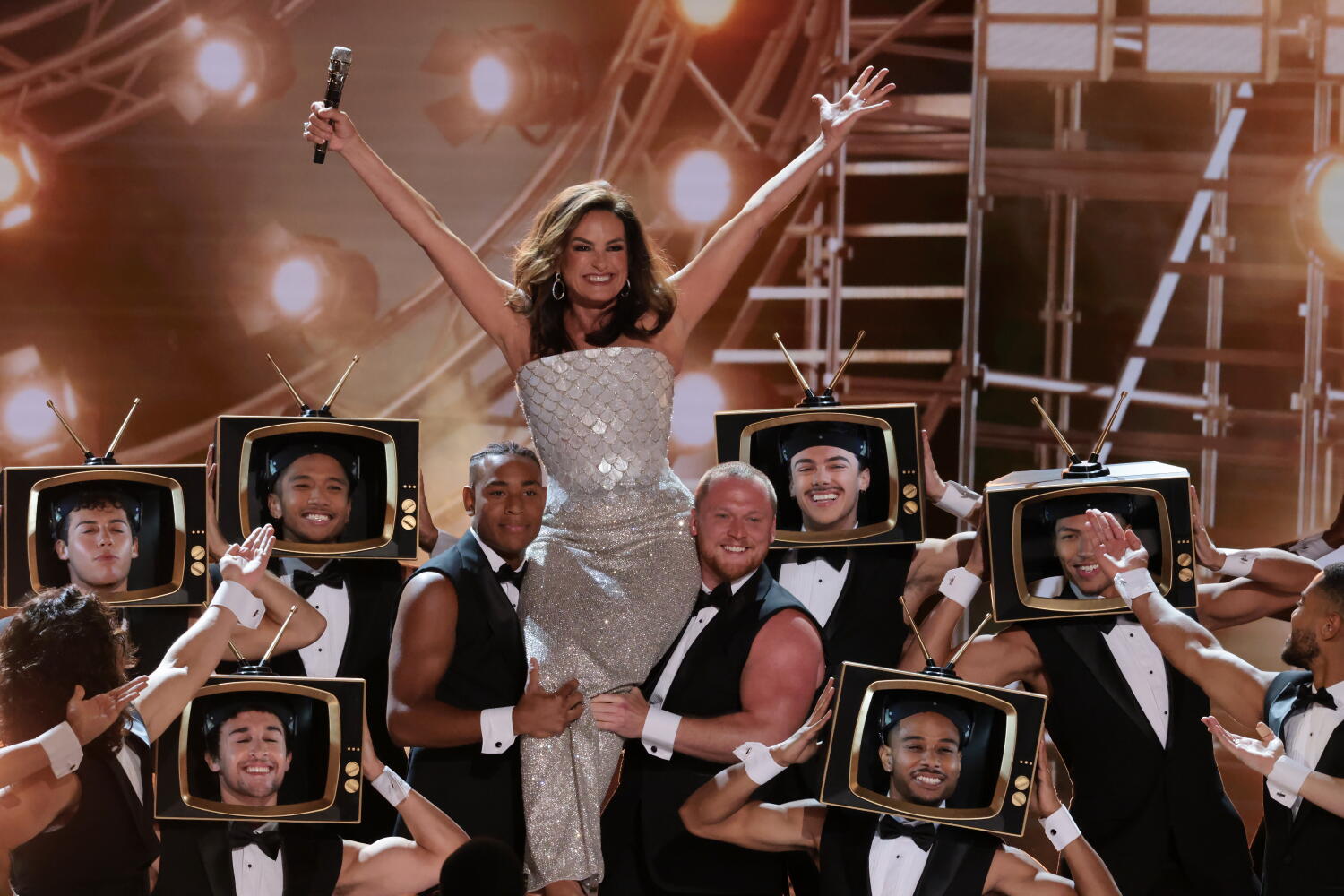
The house lights dim. The bass note hits the chest cavity before it reaches the ears. And then, a figure steps into the white-hot glare of the spotlight. It is not merely clothing that moves across the stage; it is armor, it is theater, it is a walking exclamation point designed to stop time itself. For over half a century, one man has been the architect behind those heart-stopping entrances.
Bob Mackie never just dressed a body. He dressed a fantasy.
Long before TikTok dissected every red-carpet seam in high definition, Mackie understood a fundamental truth about human beings: we are all desperate to see our inner drama worn on the outside. Walk into any costume house or couture atelier, and you will find people obsessed with how clothes fit. Mackie was obsessed with how clothes lied. He understood that a well-placed sequin or an impossible illusion net could transform a mortal pop star into a celestial deity.
Consider the canvas of 1970s television. The screens were small, heavy, and glowing with the muted tones of analog broadcast. Yet when Cher stepped onto the stage of The Sonny and Cher Comedy Hour, her outfits exploded off the screen in Technicolor defiance. Feathers swept past the camera lens. Crystals caught the studio key lights and threw them into the audience's eyes.
Backstage, the work was grueling. This was not the realm of quiet, gentle draping. This was industrial artistry. Picture a workroom cluttered with bolts of imported silk, heavy metal hoops, rolls of invisible illusion netting, and bins containing tens of thousands of rhinestones. Artisans sat under harsh fluorescent bulbs, fingers bleeding from fine needles, gluing stones one by one onto fabric that had to stretch, breathe, and survive a full hour of high-energy choreography.
Mackie stood among them, sketchpad in hand, cigarette smoke curling toward the ceiling. He was not sketching for comfort. He was sketching for impact.
"If they aren't gasping," Mackie famously understood, "you aren't doing your job."
Look closely at the trajectory of his career, and you trace the shifting contours of modern American pop culture. When Marilyn Monroe stood before a packed Madison Square Garden in 1962 to breathe a breathless birthday wish to President John F. Kennedy, she wore a dress that looked less like a garment and more like a second skin. That scandalous, flesh-colored marquisette gown, glittering with twenty-five hundred hand-stitched rhinestones, was designed by a young Jean Louis—but it laid the psychological groundwork for everything Mackie would later unleash upon the world. Mackie learned from the masters of illusion, taking that spark of scandalous transparency and setting it on fire.
By the time the 1970s and 1980s arrived, pop culture was hungry for spectacle. The women on stage were no longer content to stand still behind a microphone. They needed to move, to dance, to conquer. Mackie gave them the tools.
Think of the iconic mohawk he created for Cher at the 1986 Academy Awards—a towering cascade of black silk hair and a beaded, mirrored sheath that exposed her midriff in a direct, unapologetic middle finger to Hollywood convention. She wasn't dressed to look sweet. She was dressed to remind everyone in that room that she was an untouchable icon.
"I wanted to make sure they knew I was a serious actress," Cher quipped dryly as she walked onto the stage, wearing a creation that defied gravity and gravity's rules alike.
That is the hidden power of Mackie’s work. It gives the wearer armor. When you are clad in five hundred pounds of hand-beaded fringe, fear has no room to breathe. You cannot slouch. You cannot hide. You must own the room because the room is already staring at you.
Decades later, the cultural ecosystem changed. The fierce theatricality of the late 20th century gave way to minimalist slip dresses and ironic grunge. For a time, maximalism went underground. But true artistry never dies; it simply waits for the right generation to rediscover its teeth.
Enter Sabrina Carpenter.
Flash forward to the modern era of hyper-curated pop stardom. The stages are larger, the cameras are sharper, and the internet dissects every hemline within milliseconds of a performance. When Sabrina Carpenter stepped out to command the stage, channeling a retro-futuristic doll aesthetic with impossibly short hemlines, sky-high boots, and shimmering, crystal-encrusted bodysuits, the fashion world felt a collective shiver of recognition.
The lineage was unmistakable.
That is the invisible thread connecting a 1970s variety show television screen to a modern stadium tour. It is not just about wearing bright colors or putting rocks on fabric. It is about understanding the theatrical psychology of performance. Mackie’s designs do not apologize for taking up space. They demand that the viewer bear witness.
When you study a Mackie original up close, the illusion dissolves into sheer, brutal craftsmanship. The beads are heavy. The underlying netting is reinforced with heavy-duty elastic to prevent seams from splitting mid-dance routine. It is high fashion built like a suspension bridge.
We live in an era obsessed with authenticity, as if stripping away artifice brings us closer to the human soul. But Mackie’s work argues the exact opposite. Sometimes, it is only through the magnificent lie of a costume—through the sparkle of rhinestones and the impossible sweep of a feathered headpiece—that we finally tell the absolute truth about who we are.
The lights go down. The chord strikes. The curtain rises.
And somewhere in the dark, an artist takes a breath, steps into the light, and lets the beads catch the fire.