Trust is a heavy currency. It takes decades to mint, yet it can be spent in a single, panicked breath.
Federal badges are not merely pieces of stamped metal or laminated cards tucked into leather billfolds. They are symbols of state-sanctioned authority, worn with the implicit promise that the person carrying them stands on the side of objective truth. When that badge is used to shield a falsehood, the fracture goes much deeper than a single criminal docket. It reverberates through every courtroom, every street corner encounter, and every quiet kitchen table where ordinary citizens debate whether the system is rigged.
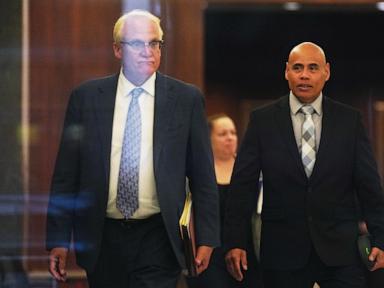
Consider the federal courtroom in Minneapolis where the legal machinery ground into motion. An Immigration and Customs Enforcement officer stood before a judge and entered a plea of not guilty. The accusation against him was specific, stark, and utterly devastating to the presumption of institutional integrity: he was charged with lying to the Federal Bureau of Investigation about a nonfatal shooting.
To understand the weight of that charge, you have to step away from the sterile scent of legal briefs and walk the wet, freezing pavement of the Twin Cities where the incident occurred.
Shots do not merely ring out in a vacuum. They tear through the fabric of community trust, leaving behind a jagged rent of confusion, fear, and competing narratives. On one side stands a federal agency tasked with the enforcement of immigration laws—a mandate fraught with high tension, split-second decisions, and constant peril. On the other side stands a public that demands accountability, transparency, and, above all, honesty when the state deploys lethal force.
When an investigator from the premier federal law enforcement agency sits across a table from fellow federal agents and allegedly spins a web of deception, the betrayal is profound. The FBI exists, at least in its mythos, as the ultimate arbiter of fact within the federal bureaucracy. When an officer sworn to uphold the law decides that the truth is too expensive a price to pay, they are not just protecting themselves; they are eroding the foundation upon which their entire profession rests.
Lying to federal investigators is not a minor bureaucratic infraction. Under federal law, it is a felony offense designed to protect the integrity of official inquiries. It is an acknowledgment that a government of laws cannot function if its own guardians are allowed to treat the truth as a negotiable commodity. When a badge-holder lies to the FBI, the message sent to the public is corrosive: if the people wearing the uniform will not tell the truth to each other, why should anyone else believe them?
The narrative of this case is not unique to Minneapolis, nor is it exclusive to immigration enforcement. It is part of a broader, more agonizing modern American drama involving the collision between institutional power and individual accountability. In an era where every shadow is potentially lit by a cell phone camera and every statement is scrutinized by a polarized public, the old playbook of closing ranks and crafting defensive narratives is failing.
Yet, the reflex remains.
Fear is a powerful motivator. In the split-second aftermath of a shooting, adrenaline floods the human system. Heart rates spike, tunnel vision sets in, and the cognitive brain surrenders to raw survival instincts. When the smoke clears and the reality of what happened sinks in, panic can take root. Did I follow protocol? Will I lose my job? Will I go to prison? In that crucible of terror, the temptation to bend the narrative—to shave off an uncomfortable detail or invent a justification—can feel like a life raft.
It is a false refuge.
The investigation into the Minneapolis shooting did not evaporate because an initial story was told. It deepened. Federal investigators pulled phone records, analyzed ballistics, interviewed witnesses, and compared statements until the discrepancies became impossible to ignore. The lie did not save the officer; it compounded his peril, transforming what might have been a rigorous inquiry into a multi-count federal indictment.
This is the hidden cost of deception in public service. It trades a temporary shield for a permanent anchor.
As this case winds its way through the federal court system, the legal arguments will focus on mens rea, statutory definitions, and evidentiary thresholds. Lawyers will parse transcripts and cross-examine witnesses. But outside the courtroom, the real trial is happening in the court of public opinion and within the institutional culture of law enforcement itself.
Every time a federal officer stands trial for lying about the use of force, a shadow falls across the thousands of other officers who strap on their gear every morning and do difficult, dangerous work with integrity. They are the ones who pay the highest tax for the dishonesty of a colleague. They inherit the suspicion. They carry the weight of public doubt when they knock on a door or secure a scene.
The badge is heavy. It requires broad shoulders and an unyielding commitment to reality, especially when reality is inconvenient, embarrassing, or damning. When an officer chooses to fabricate a story, they are betting that the lie will outrun the truth. History suggests a different outcome. The truth has longer legs, and when it finally catches up, the fall is absolute.
A courtroom gavel falls with a sharp, dry crack that cuts through the silence of the gallery. The defendant sits flanked by counsel, his future hanging in the balance of a trial yet to come. Outside, the city moves on, indifferent to the legal drama unfolding behind frosted glass, yet shaped entirely by its outcome.
We are left to ponder the distance between the ideals inscribed on a federal shield and the frail, flawed humans who wear them. That distance cannot be bridged by press releases or legal maneuvers. It can only be closed by a relentless, uncomfortable reckoning with reality—starting with the courage to tell the truth when the world is watching, and especially when it is not.