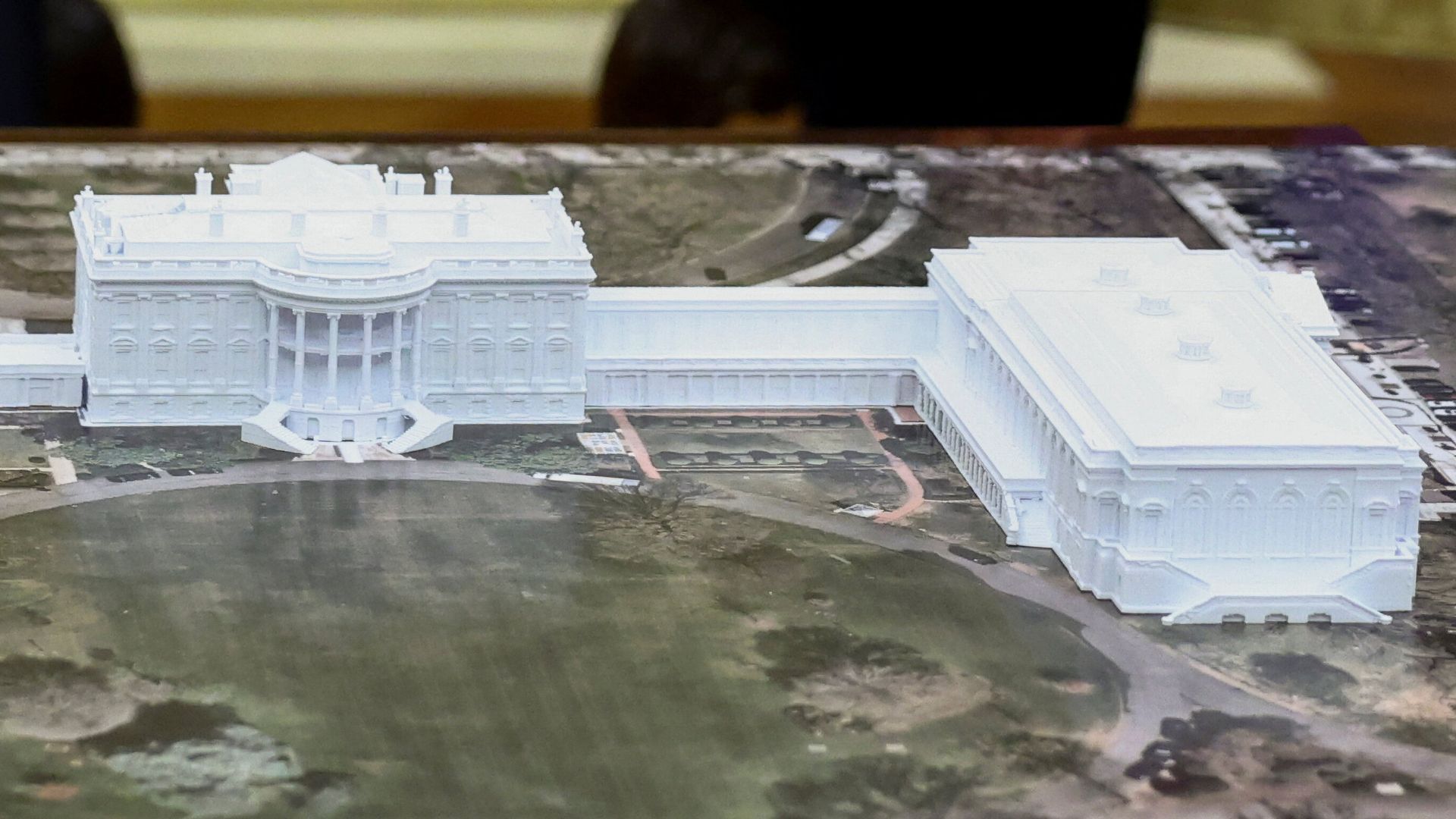
The headlines are screaming about a legal "victory" for the soul of the White House. A federal judge just slammed the brakes on the proposed $100 million ballroom addition to the Executive Mansion, citing environmental impact concerns and historical preservation mandates. The media is treats this like a heroic rescue of a national monument.
They are wrong. They are falling for a classic bureaucratic stalling tactic that prioritizes stagnant nostalgia over functional governance.
The narrative being shoved down your throat is that this construction is an ego-driven vanity project. The reality? The White House is a crumbling 18th-century office building trying to operate as the nerve center of a 21st-century superpower. By blocking this expansion, the courts aren't protecting history; they are ensuring the United States remains physically incapable of hosting the very diplomacy required to maintain its global standing.
The Preservationist Fallacy
History isn't a butterfly pinned under glass. It’s a living, breathing entity. Every significant president has hacked, carved, and expanded the White House to fit the needs of their era.
- Thomas Jefferson added the east and west colonnades.
- Theodore Roosevelt built the West Wing because he realized working where you sleep is a recipe for a mental breakdown.
- Harry Truman literally gutted the entire interior because the floors were about to collapse.
If the current crop of "preservationist" litigants existed in 1902, we wouldn't have an Oval Office. We would have a cramped, inefficient residence where the President’s staff would be squeezed into hallways like sardines.
The "lazy consensus" suggests that the White House is "complete." That any addition is a desecration. This is a fundamental misunderstanding of architecture. When you stop a building from evolving, you turn it into a mausoleum. A ballroom isn't about glitter and gold leaf; it’s about diplomatic infrastructure.
I’ve seen billion-dollar corporations collapse because they refused to upgrade their headquarters to match their scale. The U.S. government is currently doing the same thing. We are forced to rent out space in the Smithsonian or set up temporary tents on the South Lawn like a high school prom because the primary residence of the leader of the free world can't seat more than 140 people for dinner comfortably. It’s embarrassing. It’s a logistical nightmare. And it’s a security risk.
The Environmental Impact Smoke Screen
The judge’s ruling leaned heavily on the National Environmental Policy Act (NEPA). This is the go-to weapon for people who have no real argument but want to kill a project via "death by a thousand papercuts."
NEPA was designed to stop chemical plants from dumping sludge into rivers. It is now used to stop a basement and a ballroom from being built on a plot of land that has been under constant construction for over 200 years. To suggest that a ballroom addition is going to irrevocably damage the "ecosystem" of 1600 Pennsylvania Avenue is a farce.
The real environmental impact? The massive carbon footprint of transporting world leaders, their security details, and catering staff to off-site locations because the White House lacks a functional grand hall. We are burning fuel and wasting millions in man-hours to satisfy the aesthetic whims of people who think the building should stay frozen in 1950.
The Cost of "Saving" Money
Critics point to the $100 million price tag as an example of fiscal irresponsibility. This is small-minded math.
- Security Logistics: Every time the President hosts an event off-site, the cost of Secret Service sweeps, road closures, and tactical positioning skyrockets. Over a decade, these "temporary" costs will dwarf the one-time construction fee of a permanent facility.
- Diplomatic Capital: Soft power is real. There is a psychological advantage to hosting a foreign head of state within the walls of the Executive Mansion. Farming that out to a local hotel dilutes the prestige of the American presidency.
- Deferred Maintenance: By halting this project, the court is also halting necessary structural upgrades that were bundled into the construction. We are essentially choosing to let the foundation rot because we’re afraid of a new floor plan.
I have consulted on federal infrastructure projects where the "cost-saving" measures ended up costing 400% more in the long run due to litigation and inflation. We are watching a slow-motion train wreck of fiscal mismanagement disguised as judicial oversight.
Why the Legal Standard is Flawed
The court’s reliance on the "Section 106" review process of the National Historic Preservation Act is a trap. The process is designed to be infinite. It requires consultation with "interested parties," which in D.C. means every neighborhood association and amateur historian with a grudge.
By allowing these parties to dictate the operational capacity of the White House, the judiciary is overstepping. The President is the Commander-in-Chief, not a tenant in a rent-controlled apartment. The ability to host, entertain, and conduct the business of the state is a functional requirement of the office.
Imagine a scenario where the Department of Defense was told they couldn't build a new command center because it disrupted the "view" of the Pentagon. People would call it a national security threat. Why is the White House treated differently? Because it’s pretty? Because it’s a tourist attraction?
The Brutal Truth About "Historical Integrity"
The people fighting this ballroom don’t actually care about the building. They care about the occupant.
If this were a proposal for a "Sustainability Center" or a "Global Peace Pavilion," the same organizations currently filing injunctions would be writing op-eds about the "bold vision for a modern presidency." We have allowed partisan politics to weaponize architectural preservation.
The downside of my stance? Yes, construction is ugly. Yes, the South Lawn will look like a dirt pit for two years. Yes, we might lose a few original stones that have been buried under layers of 20th-century concrete anyway.
But the alternative is a stagnant, dysfunctional relic that serves as a monument to our inability to build anything of substance. We are becoming a nation of inspectors and lawyers rather than architects and leaders.
Stop trying to save the White House from its own future. Let the construction crews finish the job. A superpower that can’t even build a ballroom in its own backyard is a superpower that has already given up on the future.
The injunction isn't a win for the law. It’s a win for the small-minded, the bureaucrats, and the people who would rather see the country’s symbols crumble than see them grow.
Clear the site. Pour the concrete. Build the room.