The Caltex Mirage: Why Retail Petroleum Expansion is a Value Trap
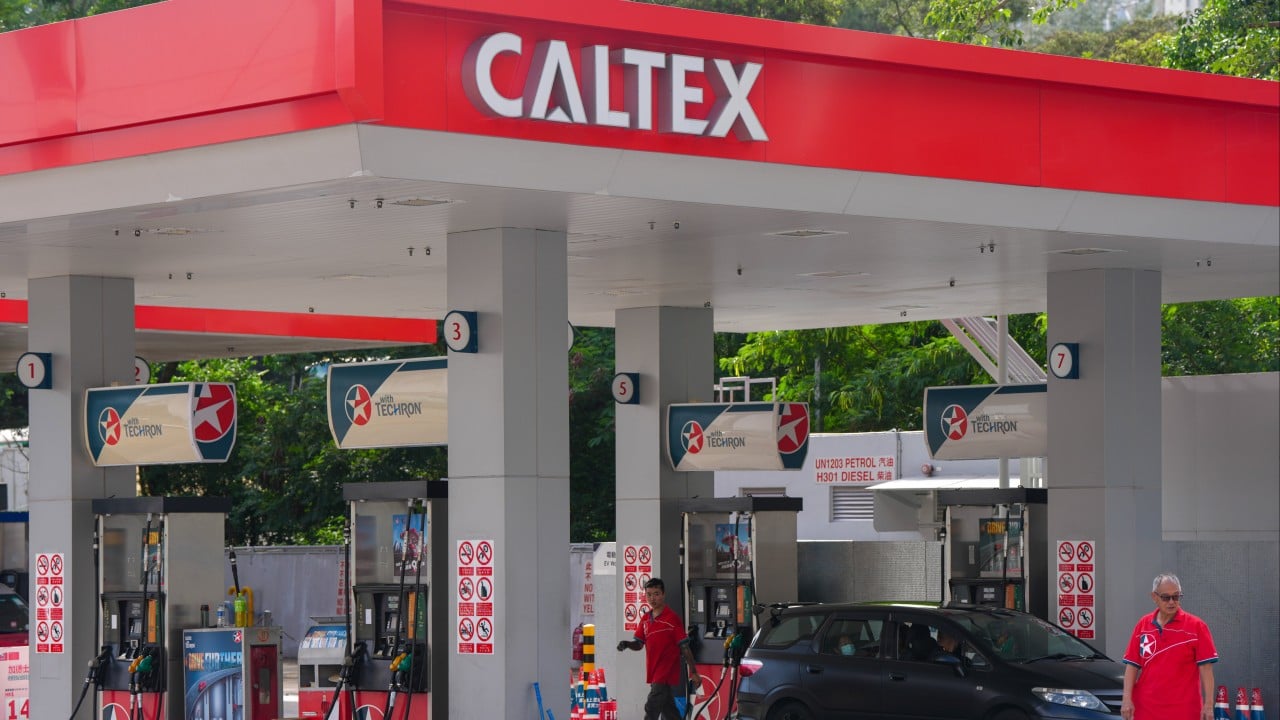
The financial press is currently swooning over Bangchak Corporation’s HK$2.1 billion acquisition of Chevron’s Caltex petrol station network in Hong Kong. The standard narrative is predictable. It is being framed as a bold, strategic masterstroke—a gateway to North Asia and a brilliant diversification play.
It is actually a textbook case of buying high into a structurally declining asset class.
Mainstream analysts love geographic expansion because it looks impressive on a slide deck. They see a footprint. They see scale. What they fail to see is the underlying reality of the Hong Kong energy market. Buying a network of fossil-fuel retail stations in one of the most densely populated, transit-heavy cities in the world is not a forward-looking play. It is an expensive bet on an outdated model.
I have watched energy conglomerates burn through massive capital reserves chasing downstream volume just to protect legacy refining margins. It rarely ends well. When you strip away the corporate PR, this deal looks less like a bridgehead into North Asia and more like a costly anchoring mechanism to a retail format that is running out of road.
The Myth of the Strategic Gateway
The consensus argument hinges on the idea that Hong Kong serves as a launchpad for broader regional dominance. Let's dismantle that premise.
Hong Kong is a highly insular, mature, and saturated market. It is not a stepping stone to mainland China, nor does it provide a scalable blueprint for South Korea or Japan. The regulatory environments, land costs, and consumer behaviors are radically different.
The Realities of Hong Kong's Real Estate Trap
- Fixed Real Estate, Variable Returns: Petrol stations in Hong Kong sit on premium land subject to intense government lease renewals. You do not own the territory; you rent the right to pump fuel under brutal commercial terms.
- The Transit Reality: Hong Kong boasts one of the most efficient public transportation networks globally. Over 90% of daily travels happen via public transit. The private vehicle market is a luxury segment, not a mass-market volume driver.
- The EV Inflection Point: The city has set aggressive targets for halting the registration of new conventional private cars. The transition is not a distant threat; it is happening on the streets right now.
To believe that owning a few dozen forecourts gives a Thai refiner structural leverage in North Asia requires a suspension of economic disbelief. You are entering a market where the ceiling is already lowering.
Dismantling the Downstream Synergies
The classic justification for a refiner buying retail stations is "secured off-take." The logic goes: if you own the pump, you guarantee a home for your refined product. Let’s look at the actual mechanics of regional fuel logistics.
+-----------------------------------+
|     Bangchak Refining (Thailand)  |
+-----------------------------------+
                  |
                  | Long-distance Marine Freight
                  v
+-----------------------------------+
|    Hong Kong Storage / Terminals  |
+-----------------------------------+
                  |
                  | Local Distribution
                  v
+-----------------------------------+
|      Caltex Retail Forecourts     |
+-----------------------------------+
Shipping refined product from Thailand to Hong Kong to supply a modest retail network introduces significant freight logistics, storage fees, and secondary handling costs. The supply chain physics do not work in favor of high margins. You are competing against mega-refineries in mainland China and South Korea that enjoy massive geographic and scale advantages.
If Bangchak is not sourcing the fuel from their own refineries, then they are simply acting as local trading middlemen, exposed entirely to regional product spreads and high local operating costs. It is a margin squeeze masquerading as a corporate synergy.
The Valuation Blind Spot
Paying HK$2.1 billion for a mature retail network requires an incredibly optimistic view of terminal value. In corporate finance, terminal value assumes a business grows at a steady rate into perpetuity. But how do you calculate perpetuity for an asset class facing systemic obsolescence?
Imagine a scenario where retail fuel volumes decline by 4% to 6% annually over the next decade while land premium renewals escalate. The cash flow metrics collapse rapidly. The non-fuel revenue—the convenience stores and car washes—cannot scale fast enough to offset the loss of high-margin fuel volumes.
The smart money in the energy sector is currently divesting downstream retail assets to institutional infrastructure funds or local operators who can sweat the assets with zero corporate overhead. Buying these assets at a premium is a strategy rooted in the mid-2000s, not the late 2020s.
The Counter-Intuitive Alternative: What Capital Efficiency Actually Looks Like
If the goal is truly regional growth and value creation, doubling down on physical, fossil-fuel retail infrastructure in high-cost environments is the wrong answer entirely. True capital efficiency in the modern energy landscape requires asset-light agility.
- Arbitrage and Trading Desks over Fixed Assets: Instead of buying concrete forecourts, capital is better deployed building sophisticated regional trading hubs that exploit localized price imbalances across Asia without the burden of fixed real estate liabilities.
- Virtual Integration: Partnering with existing regional players via joint ventures or supply agreements yields the same volume benefits without the billions in capital expenditure and localized regulatory risks.
The downside to this contrarian view is clear: it does not look as impressive in an annual report. It does not provide the illusion of a tangible empire. But it protects capital, maintains liquidity, and delivers superior returns on invested capital.
Bangchak’s move looks big, sounds important, and commands headlines. But true industry insiders know that buying the tail end of a legacy distribution loop is rarely the way you win the future. It is just an expensive way to inherit someone else's exit strategy.