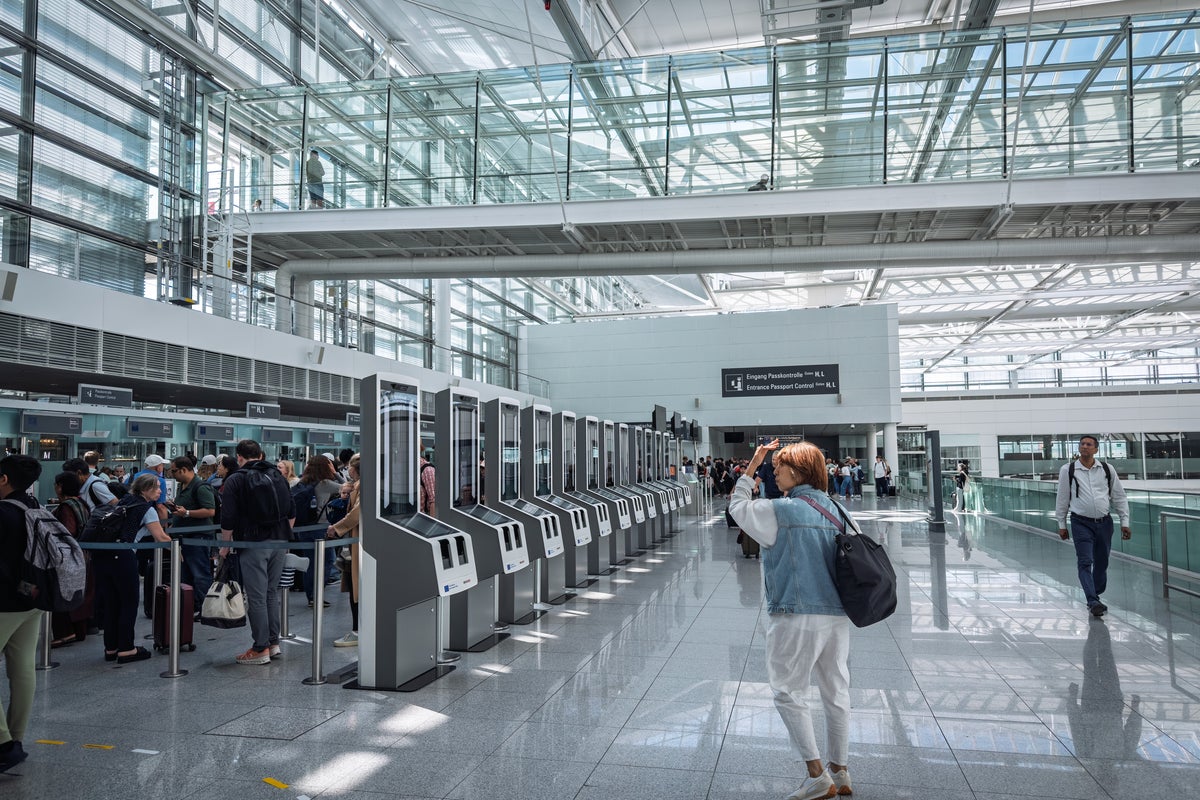
The humidity hits you first. It is not just air; it is a wet, heavy blanket that wraps around your shoulders the moment you step out of Suvarnabhumi Airport. For a decade, that exact sensation was the ultimate badge of honor for a twenty-something backpacker clutching a crumpled guidebook and a one-way ticket. Bangkok was the undisputed capital of the youth exodus. It was cheap pad thai on Khao San Road, neon lights bleeding into midnight puddles, rooftop bars where the drinks were priced for empty bank accounts, and a chaotic, magnetic pulse that promised total reinvention.
Then, the compass spun.
Ask twenty travelers in their early twenties where they are headed next, and the answer has quietly shifted. The neon roar of the Thai capital has given way to the quieter, cleaner hum of alternative hubs. Kuala Lumpur, Ho Chi Minh City, Taipei, and Da Nang are drawing the suitcase stickers and the TikTok algorithms. Bangkok is no longer the default number one.
To understand why, you have to look past the shiny tourism boards and step into the cramped co-working spaces and Wi-Fi-heavy cafes where the modern young nomad actually lives.
Consider Maya. She is twenty-four, a freelance graphic designer who traded a cramped studio apartment in Chicago for a carry-on bag and a dream of location independence. When she landed in Bangkok three years ago, she was enchanted. The temples gleamed gold against smoggy skies. The night markets offered sensory overload in the best possible way. But reality has a quiet way of eroding romance.
After six months, Maya started noticing the friction points. The BTS Skytrain tickets required separate passes depending on the line, a minor annoyance that compounded into daily frustration. Rent for a modern condo with a pool had crept upward, driven by a post-pandemic digital migration that pushed prices beyond the sweet spot of a starting freelancer. Crossing a six-lane boulevard on foot felt like playing a high-stakes video game with no respawn button.
"I loved the energy," Maya told me over a crackling messaging app while sitting in a quiet cafe in Vietnam. "But after a while, energy turns into exhaustion. I didn't want to survive my Tuesday. I wanted to work through it."
That sentiment is the heartbeat of this generational migration. Gen Z travelers and remote workers are not looking for an endurance test. They are looking for livability.
The data tells a story that matches the anecdotes. According to recent global mobility reports and youth travel indices, emerging destinations in Southeast and East Asia have seen double-digit spikes in long-term youth stays, while legacy hotspots like Bangkok have plateaued or seen a slight contraction in repeat visitors. Young people are staying shorter durations in Thailand and branching out faster into surrounding countries that offer better digital infrastructure, lower cost-of-living ratios for daily essentials, and fewer bureaucratic hurdles for long-term stays.
Prices matter when your income fluctuates month to month. Inflation is a global shadow, and Gen Z entered the adult workforce during an economic squeeze. Every dollar, euro, or baht counts. While Bangkok remains affordable compared to London or New York, it has priced itself out of the ultra-budget category that once defined its charm. A plate of street food is still cheap, but a decent workspace with reliable internet, a cup of specialty coffee, and an air-conditioned room now rivals prices in secondary European cities.
Coupled with that financial shift is the quest for safety and wellness. The modern young traveler is markedly different from the millennial backpacker who preceded them. They drink less alcohol, prioritize sleep, seek out running clubs, and treat mental health not as an afterthought, but as a core metric of a successful trip.
Bangkok is a sensory titan, but it can be punishingly loud. The traffic fumes cling to your clothes. The sirens never stop. The concrete absorbs the tropical heat and radiates it back at you long after midnight. For a generation hyper-aware of burnout, the city can feel less like a sanctuary and more like a pressure cooker.
Meanwhile, cities like Da Nang have perfected the coastal antidote. You can rent a bright apartment five minutes from a surf beach for half the price of a Bangkok shoebox. You can walk safely along wide promenades at midnight. Taipei offers world-class public transit, incredible food, and safety statistics that let you walk anywhere without a second thought. Kuala Lumpur offers sleek modernism wrapped in a multicultural mosaic where English is spoken everywhere and high-speed fiber internet is a given, not a luxury.
Does this mean Bangkok is finished? Absolutely not.
Travel is cyclical, and cities reinvent themselves with the stubborn resilience of ancient trees. The street food remains some of the best on Earth. The art scene in districts like Charoenkrung is thriving with young, local creatives who are redefining what Thai culture looks like today. The temples still stand, magnificent and indifferent to the shifting whims of internet trends.
Yet, the crown has slipped.
The shift tells us something profound about how we travel now. We are no longer content with being impressed. We want to belong, even if only for a month. We want cities that whisper instead of shout. We want an environment that supports our labor rather than drains our energy.
The sun still sets behind Wat Arun, painting the Chao Phraya River in bruised shades of violet and orange. It is a view that stops your breath. But as the dusk settles, the young crowds are increasingly catching a budget flight elsewhere, leaving the old giant to wonder how the world moved on so fast.