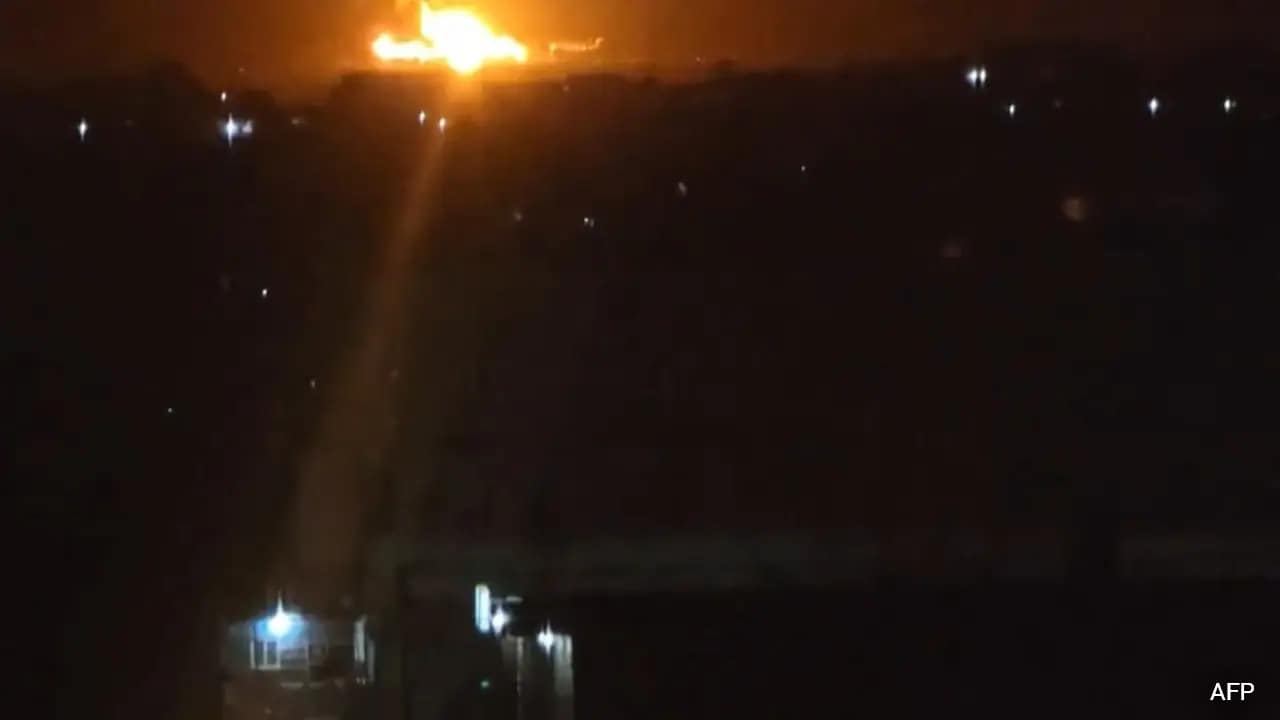
The strategic calculus in the Red Sea changed overnight when Saudi airstrikes hit a residential area in the vital port city of Mokha. Six people died. Eight others suffered severe injuries. If you've been watching the conflict from afar, you might wonder why this specific coastal strip matters so much. It's simple: control of Mokha means control over maritime choke points that dictate global energy flows and regional
Why Yemen Port Cities Bear the Brutal Cost of Ongoing Airstrikes
news
The headlines flash across screens with grim familiarity. Six dead. Eight injured. Another strike hits a Yemeni port city, and the world looks away just as quickly as it looked. If you only glance at the breaking news alerts, you miss the actual architecture of this ongoing humanitarian tragedy. Yemen doesn't just experience abstract geopolitical conflict. It experiences shattered infrastructure, blocked supply lines, and families torn apart in places where people are simply trying to buy food or unload cargo.
When an airstrike hits a coastal hub, the immediate casualty count is only the beginning of the story. You have to look at what happens next. Hospitals overflow with trauma cases. Water treatment plants lose power. Essential medicine fails to clear customs or gets destroyed in the blasts. Understanding these events requires looking past the surface numbers and examining the systemic failure that keeps these ports under constant threat.
The Strategic Importance of Yemen's Coastal Lifelines
Ports are everything in Yemen. Think about a country importing nearly all of its basic food, fuel, and medical supplies through a handful of coastal entry points. When strikes target these zones, the economic chokehold tightens instantly.
Ports like Hodeidah and other Red Sea hubs aren't just military objectives. They are economic arteries. Shut them down, restrict them, or bomb their surrounding logistics networks, and you engineer a food crisis overnight. Prices spike. Store shelves empty out. Families who were already hanging on by a thread find themselves pushed across the edge of survival.
Military planners talk about strategic targets and military necessity. People living near the docks talk about whether they can afford flour tomorrow. That gap defines the entire conflict. Every bomb dropped on a port facility sends shockwaves through millions of lives that have nothing to do with the front lines.
Behind the Numbers in Casualty Reports
Six dead and eight injured sounds like a clean statistic on a morning news broadcast. It fits neatly into a paragraph. It satisfies a news cycle.
Real life doesn't fit into clean paragraphs.
Those numbers represent individuals with routines, jobs, and families. They represent dock workers pulling overnight shifts to feed their children. They represent bystanders caught in the wrong place because employment options in a war zone are practically nonexistent. When you stand near a bombed port area, the scale of the destruction dwarfs the initial casualty reports. Structural damage takes years to repair. Cranes collapse. Warehouses burn for days, destroying tons of grain meant for a starving population.
The psychological toll matters just as much. Imagine waking up every morning knowing that the port where your livelihood depends could become a smoking crater by noon. That constant state of anxiety alters a society at its core. Children grow up listening to the distinct whistle of incoming ordnance rather than the sounds of normal daily life.
How International Reporting Misses the Mark
Mainstream media coverage of Yemen often follows a predictable, lazy cycle. A major incident happens. Outlets run a short wire report with basic casualty figures. Analysts offer tired commentary about regional proxy wars. Then the story disappears for months while the underlying crisis deepens in total obscurity.
This superficial reporting creates a dangerous misconception. It frames the violence as isolated, accidental, or purely tactical. It masks the systematic nature of the destruction. You rarely see deep investigative reporting on how these strikes affect local supply chains three weeks after the smoke clears.
Journalists often rely on official military statements without verifying conditions on the ground. When a coalition or a faction claims a strike targeted a military asset, that claim is frequently repeated uncritically. Independent verification is notoriously difficult in Yemen due to severe travel restrictions, intimidation, and bureaucratic hurdles. That means the public rarely gets the unfiltered truth about what actually happened on the docks.
The Regional Power Dynamics at Play
Saudi-led interventions and regional rivalries didn't start yesterday. They stem from a complex web of security concerns, border defense priorities, and deep-seated political instability that predates the current escalation.
On one side, you have coalition forces trying to curb the influence of rival armed groups and secure critical maritime shipping lanes in the Red Sea. On the other side, local factions fight for territorial control and survival. Yemen became the battleground where larger regional powers fight out their ambitions.
Civilians pay the ultimate price for this geopolitical chess match. Every time a strike hits a port city, it signals that political settlements remain far away. Diplomacy stalls while military escalation takes precedence. Leaders talk about peace initiatives in foreign capitals while bombs drop on Yemeni docks.
What Real Resolution Looks Like on the Ground
Stopping the cycle of airstrikes requires more than temporary ceasefires or vague diplomatic communiqués. It demands a total rethinking of how aid and commercial goods move through Yemen.
First, international monitors need unimpeded access to inspect and protect critical port infrastructure. You cannot starve a population into submission and expect a stable political outcome.
Second, accountability mechanisms must change. When civilian infrastructure gets hit, independent investigations need to happen quickly and transparently. Impunity fuels more violence. If there are no consequences for hitting vital ports, the strikes will continue.
Finally, the international community has to move past fatigue. Yemen is not a lost cause. It's a country full of people who want normal lives, working economies, and safe neighborhoods. Supporting local civil society organizations, protecting supply lines, and keeping the spotlight on human rights abuses are the only ways to build a path forward.
The next time you read a short bulletin about casualties in a Yemeni port city, remember the reality behind the numbers. Demand better information. Push for deeper accountability. Because until the world pays attention to the daily destruction of Yemen's lifelines, the cycle will simply repeat itself.