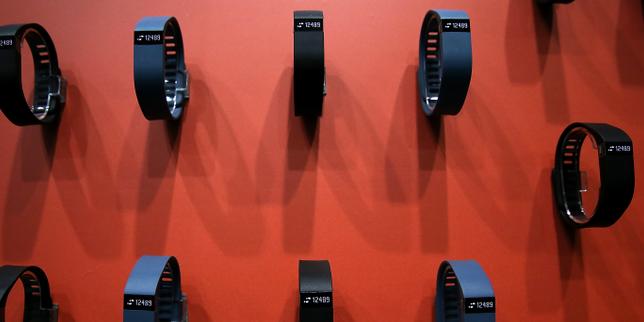
The European Union just blinked. After promising a sweeping environmental overhaul that would force electronics manufacturers to make all batteries easily replaceable by users, Brussels quietly carved out a massive loophole. Smartwatches, fitness trackers, and specialized wearable medical devices are officially off the hook.
While smartphones and laptops must comply with the strict right-to-repair mandates by 2027, the wearables industry successfully argued that gluing batteries deep inside miniature chassis is a technological necessity. This decision represents a major lobbying victory for companies like Apple, Samsung, and Garmin. It also reveals a fundamental friction point in modern product design: the irreconcilable conflict between maximum device longevity and the consumer demand for waterproof, ultra-compact gadgets.
The Loophole in the Circular Economy
The European Battery Regulation was heralded as a blueprint for reducing electronic waste. The premise was simple. If a consumer can swap out a degraded battery with basic tools, the product stays out of the landfill for twice as long.
Then came the exemptions. Under the finalized text, devices that operate in regular contact with water or are designed for specific medical monitoring are exempt from the user-replaceable requirement.
Lobbyists played their hand perfectly. They convinced regulators that forcing a user-accessible hatch onto a device worn during open-water swimming or a shower would compromise water resistance. Without a permanent factory seal, a smartwatch becomes vulnerable to moisture ingress, leading to short circuits and premature failure.
The irony is sharp. In the name of preventing water damage that might ruin a device in year two, the EU has guaranteed that the entire device becomes electronic waste by year four when the lithium-ion cell inevitably degrades to a fraction of its original capacity.
The Engineering Reality Behind the Sealed Battery
To understand why tech giants fought so hard, look at the physical constraints of a modern smartwatch. Space is measured in fractions of a millimeter.
In a standard smartphone, a manufacturer can afford to lose a small amount of internal volume to accommodate a pull-tab adhesive or a rigid plastic bracket that protects a user-removable battery. Smartwatches do not have that luxury. Every cubic millimeter saved by gluing the battery directly to the mid-frame is redirected toward a larger health sensor array, an extra GPS antenna, or a slightly thicker display.
Consider a hypothetical example of a premium sports watch. If an engineer is forced to add a mechanical door, a rubber gasket, and screw threads to make the battery swappable, two things happen. The watch either grows by 15% in thickness, making it unappealing to the average consumer, or the battery capacity shrinks by 20% to maintain the sleek form factor. In the wearable market, battery life is the ultimate selling point. Losing a fifth of your runtime to satisfy a repair regulation is a commercial non-starter.
Furthermore, there is the issue of structural integrity. A device worn on the wrist is subjected to constant kinetic stress, sweat exposure, and temperature fluctuations. Industrial glues provide both structural adhesion and an airtight barrier. Replacing this with a user-serviceable mechanism introduces a high point of failure that manufacturers refuse to warranty.
Who Really Wins and Loses
The primary beneficiaries of this regulatory retreat are hardware manufacturers. Their current business models depend on a predictable upgrade cycle driven by battery degradation.
Lithium-ion chemistry dictates that after roughly 300 to 500 charge cycles, a battery retains only about 80% of its original health. For a smartwatch that requires daily charging, that threshold is hit in less than two years. Once the battery degrades, the user experiences sudden shutdowns and diminished performance. Because independent repair shops often refuse to touch glued smartwatch screens due to the high risk of breaking the display panel, most consumers simply buy the next model.
The environmental cost of this cycle is immense. Wearables contain rare earth elements, gold, cobalt, and lithium. When a watch is discarded because its $5 battery is dead, the energy and materials used to manufacture the rest of the device are lost.
Independent repair advocates argue that the industry's claims about water resistance are exaggerated. They point to classic dive watches, which have maintained water resistance up to hundreds of meters for decades using simple screw-down case backs and replaceable rubber O-rings. The tech industry counters that mechanical watches do not contain volatile lithium-ion cells that swell if exposed to moisture, nor do they require the same level of internal structural density.
The Specialized Medical Defense
The inclusion of medical wearables in the exemption list added a layer of moral weight to the industry's argument. Devices that monitor heart rhythms, blood glucose, or detect falls cannot risk a sudden power failure caused by a poorly seated battery door or a worn-out gasket.
By grouping consumer lifestyle trackers under the same regulatory umbrella as medical-grade monitors, tech companies successfully framed the argument around user safety and device reliability rather than corporate profits. Regulators, wary of being blamed for a malfunctioning health monitor, chose the conservative path.
The Two Tier Repair Market
This policy shift creates an uneven landscape for the right-to-repair movement. By mid-2027, consumers will have the legal right to replace the batteries in their phones and laptops with common tools. Yet the device strapped to their wrist will remain a black box.
This bifurcation suggests that regulators are willing to compromise environmental mandates when confronted with the realities of miniaturized engineering. It sets a precedent that could easily bleed into other product categories, such as wireless earbuds and smart rings, where battery replacement is even more difficult.
Manufacturers will still be required to ensure that batteries can be replaced by professional repair centers, but this halfway measure rarely works in practice. The cost of professional labor combined with shipping fees often approaches the residual value of a two-year-old gadget, making the repair financially irrational for the consumer.
The EU's concession proves that policy cannot always dictate engineering outcomes. For now, the convenience of a slim, waterproof, long-lasting wearable outweighs the philosophical commitment to a circular economy, leaving consumers to bear the cost of hardware that is fundamentally built to expire.