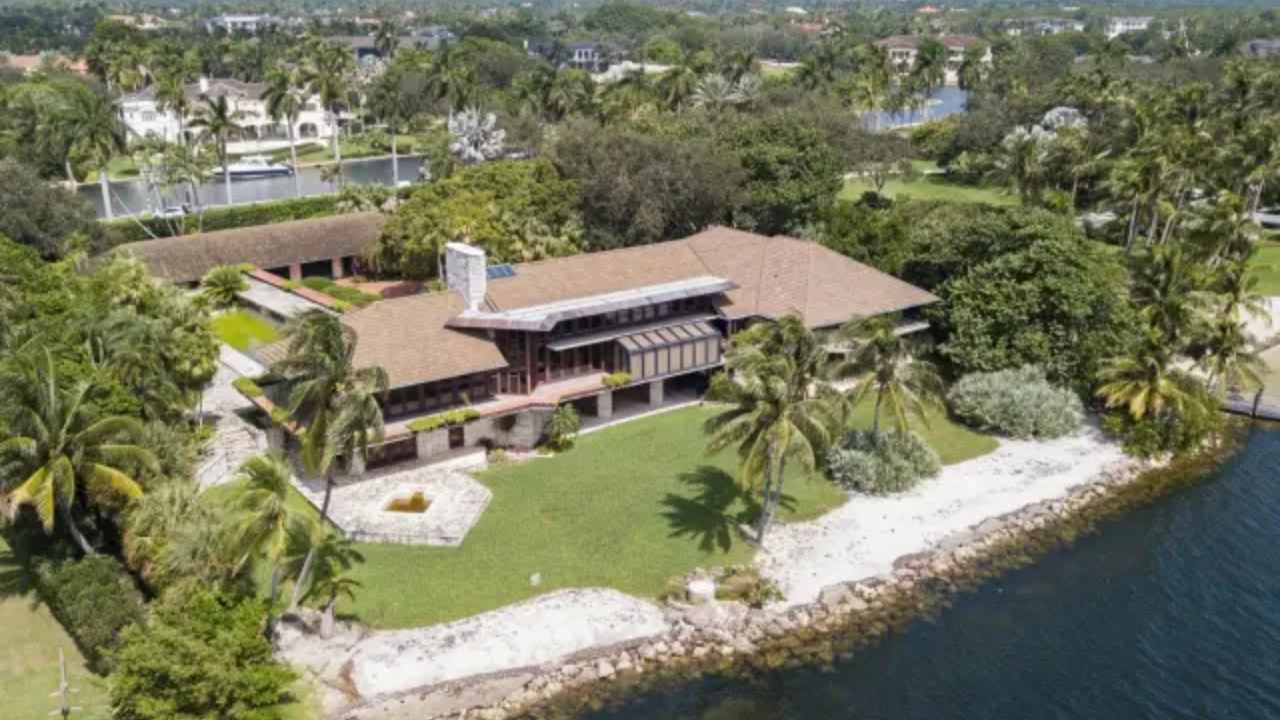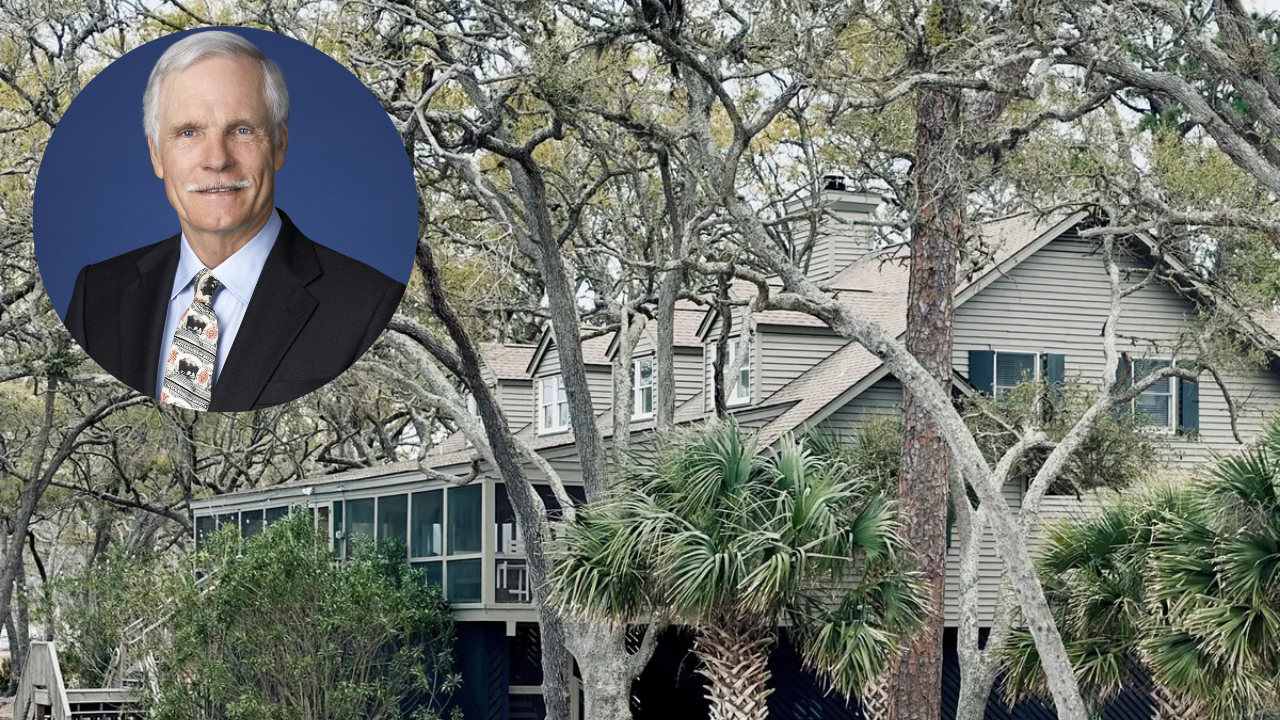
In 1979, media mogul Ted Turner dropped roughly two million dollars on St. Phillips Island, a 4,680-acre barrier sliver nestled off the coast of South Carolina. Long before climate pledges became corporate fashion statements and billionaires started hoarding New Zealand grazing stations for apocalypse bunkers, Turner did something radical with a prime piece of Atlantic real estate. He locked the gates.
He did not build a sprawling resort, lay down asphalt for luxury vacation homes, or carve out a championship golf course. He kept it wild. That single acquisition marked the birth of a conservation strategy that fundamentally challenged how private wealth interacts with fragile ecosystems.
The Economics of Leaving Land Alone
To understand why Turner's 1979 purchase mattered, look at what was happening to the South Carolina coast during the late twentieth century. Developers eyed the sea islands with predatory hunger. Every acre of maritime forest and salt marsh represented potential subdivisions, marinas, and high-margin coastal real estate. Local tax structures heavily penalized owners who kept land undeveloped, effectively forcing monetization.
Turner inverted that equation. By treating land acquisition as an exercise in preservation rather than speculation, he proved that immense capital could be deployed to halt the march of suburban sprawl. St. Phillips Island features maritime forests of live oaks draped in Spanish moss, tidal creeks teeming with marine life, and pristine beaches where loggerhead turtles nest undisturbed.
Acquiring the property was only the initial barrier. Maintaining a barrier island without commercial revenue requires deep pockets and a complete rejection of short-term return on investment. Turner absorbed the carrying costs, property taxes, and management expenses year after year. This financial endurance separates genuine preservation from temporary greenwashing. Many corporate entities buy land for conservation credits or future development offsets, maintaining a transactional relationship with nature. Turner treated the island as a trust, placing long-term ecological stability above immediate economic utility.
Shifting Tides in Private Conservation
The model established on St. Phillips Island eventually scaled into something much larger. Turner parlayed his early coastal preservation instincts into the creation of Turner Enterprises, managing millions of acres across North America and Argentina. He became the largest private landowner in the United States, utilizing his holdings primarily for bison restoration, endangered species recovery, and ecological research.
Yet, managing millions of acres of wild land creates complex administrative realities. Public perception often struggles to reconcile vast private landownership with conservation goals. Critics frequently point out the paradox of a single individual holding ultimate authority over massive tracts of geographic heritage. Who watches the billionaire? What happens when priorities shift or estates change hands?
These questions highlight the vulnerability of privately driven conservation. When preservation relies on the personal philosophy of one wealthy benefactor, the system lacks institutional permanence. Recognizing this fragility, Turner eventually transitioned St. Phillips Island into public stewardship. In 2018, the state of South Carolina purchased the island to operate it as a state park, ensuring that limited, managed public access would replace exclusive private isolation.
The Reality of Public Access Versus Ecological Preservation
Opening a sensitive barrier island to the public creates an immediate friction point between human enjoyment and environmental protection. When St. Phillips transitioned to a state park, park managers faced the delicate task of welcoming visitors without destroying the very ecosystems Turner spent decades protecting.
Salt marshes and maritime forests tolerate human presence poorly when mismanaged. Foot traffic erodes fragile dune systems. Boat traffic disturbs marine mammals and nesting birds. State park authorities implemented strict visitor caps, ferry-only access, and guided eco-tours to strike a balance. Visitors can tour the historic plantation house where author John McPhee once stayed while writing about Turner, but they cannot camp overnight or drive personal vehicles across the landscape.
This management model offers a vital lesson for contemporary conservation initiatives. Pure isolation locks nature away from the public, fostering disconnect and eventual political backlash. Unchecked access loves environments to death. Finding the middle ground requires aggressive regulation, continuous scientific monitoring, and the political will to restrict access when ecological stress indicators flash red.
What Modern Conservation Can Learn From 1979
The actions taken on a South Carolina barrier island decades ago offer a blueprint for modern philanthropists looking beyond superficial ESG metrics. Writing checks for distant carbon offsets or planting urban street trees serves a purpose, but protecting intact, functioning biomes from scratch remains the gold standard of ecological defense.
Real conservation demands capital that expects no financial payback. It requires buying the deed and throwing away the key to the bulldozers. As climate pressures mount and coastal ecosystems face compounding threats from rising seas and intensifying storms, the philosophy behind Turner's 1979 acquisition looks less like eccentric billionaire hobbyism and more like strategic foresight.
The islands will keep washing away, and the maritime forests will face the relentless squeeze of a changing climate. But for nearly fifty years, St. Phillips Island stood outside the ledger of real estate developers, proving that sometimes the most valuable thing you can do with a piece of land is to simply let it exist.