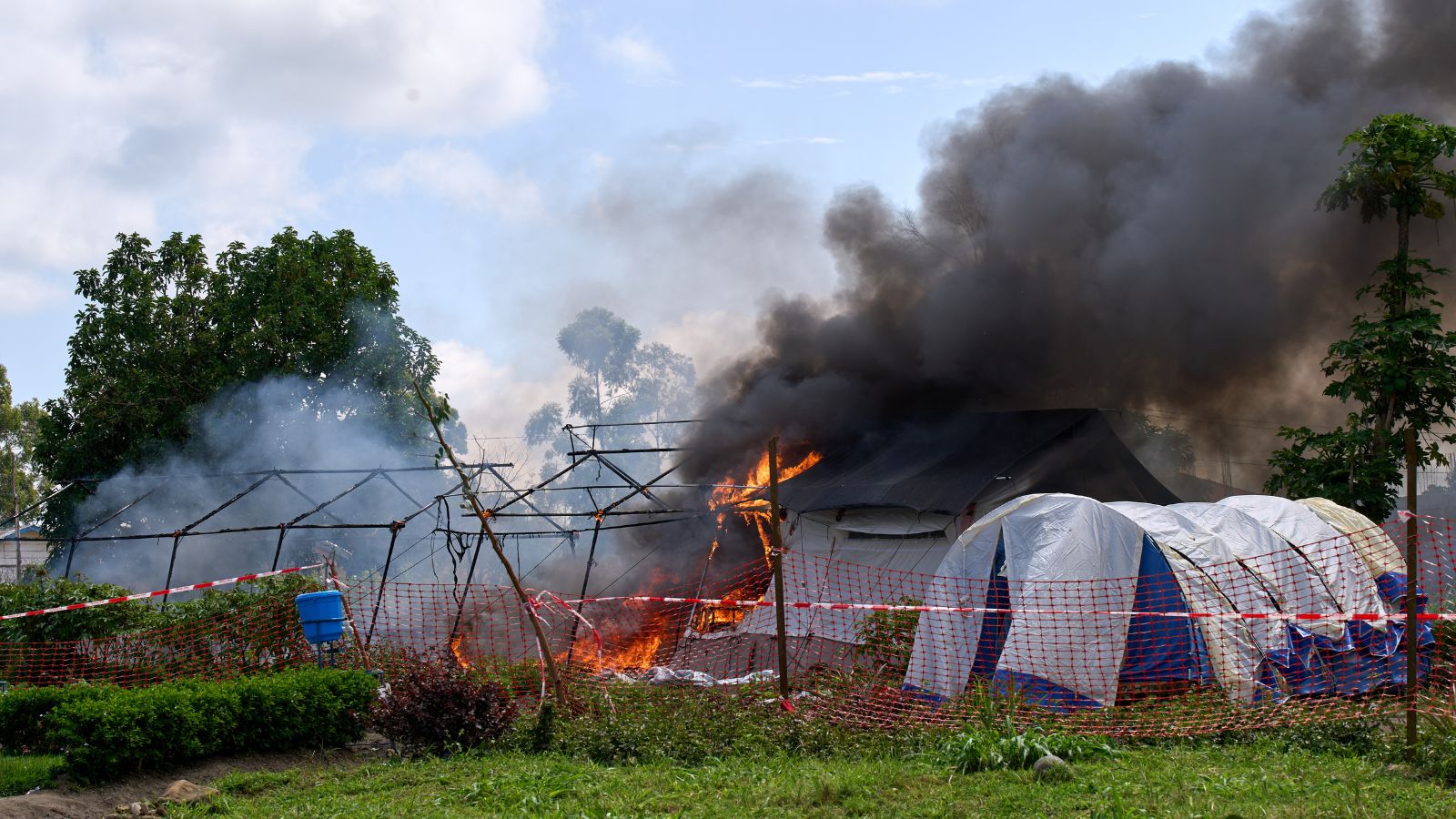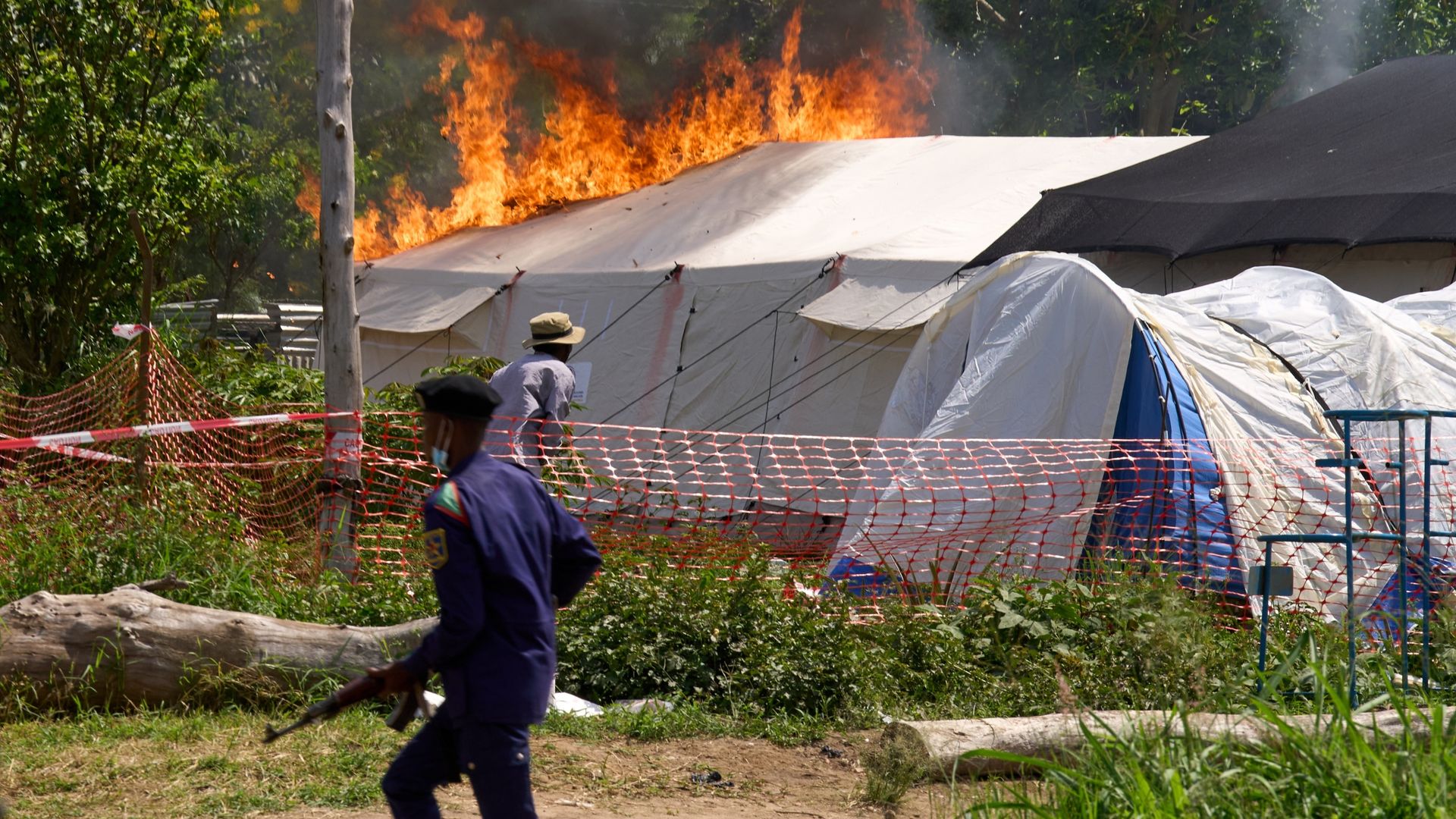
International reporting loves a simple villain. When an angry crowd attacks an Ebola treatment center in the Democratic Republic of the Congo, the Western press operates from a predictable, lazy playbook. The narrative is always the same: ignorant locals, driven by superstition and misinformation, are sabotaging their own salvation while heroic global health organizations try to save them from themselves.
This analysis is not just patronizing; it is factually wrong. It misdiagnoses the root cause of the violence and ensures that future medical interventions will continue to fail.
The arson and protests we see in containment zones are not a rejection of science. They are a rational, predictable reaction to a top-down, militarized public health apparatus that treats local communities as biological hazards rather than human beings. If global health authorities want to stop the transmission of Ebola, they must first stop treating the containment zone like a war zone.
The Colonial Architecture of Modern Quarantine
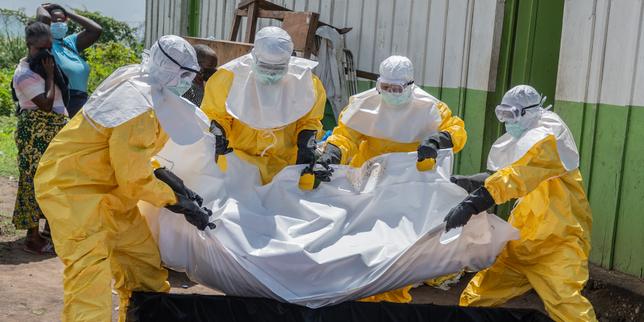
To understand why a community would set fire to a multimillion-dollar medical facility, you have to look at how that facility arrived. For decades, international interventions have relied on an extractive model of medicine. Outbreak response teams arrive in biohazard suits, backed by armed security or local military forces. They erect fences, isolate the sick from their families, and dictate burial practices that violate deeply held cultural traditions.
This is not healthcare; it is bio-security.
When the World Health Organization or Doctors Without Borders establishes a perimeter, the local economy is often paralyzed. Markets close. Movement is restricted. Resources pour into the region, but they are strictly earmarked for Ebola.
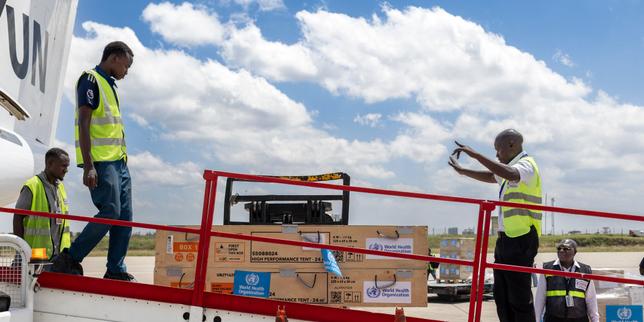
Imagine living in a district where clean water, malaria medication, and basic maternal care have been non-existent for years. Suddenly, a hemorrhagic fever appears, and hundreds of millions of dollars in foreign aid materialize overnight. But that money cannot be used to treat the curable diseases killing your children daily. It is exclusively spent on a disease that threatens the global North.
From the perspective of an insider who has monitored these supply chains and deployment strategies, the message sent to the population is clear: We do not care about your health; we care about your infection status.
The Rationality Behind Local Resistance
Mainstream media frames resistance to medical protocols as a lack of education. The data suggests otherwise. Anthropological assessments conducted during the 2018–2020 Kivu outbreak revealed that hostility toward response teams was tightly correlated with political marginalization and distrust of central government authorities, not a ignorance of viral mechanics.
Consider the enforcement of "safe and dignified burials." Forcing a family to surrender the body of a loved one to strangers in white plastic suits—to be buried in an unmarked grave without traditional rites—is a profound psychological trauma. When global health workers use police force to implement these measures, they turn a medical necessity into an act of state violence.
Resistance is the only leverage these communities have left. Setting fire to a center is a desperate, political act of defiance against an occupying force that refuses to listen.
The counter-intuitive truth is that the crowd is often acting on a highly logical cost-benefit analysis. Entering an isolation unit has historically been viewed as a death sentence, not because the medicine is bad, but because patients are removed from their support networks and hidden behind plastic sheets. When communication fails, rumor fills the void. If the institutional response is secrecy and force, the public response will be sabotage.
The Failure of the Top-Down Humanitarian Model
The current international health paradigm operates on a flawed premise: that expertise is a one-way street running from Geneva to Kinshasa.
The Illusion of Community Engagement
Most humanitarian organizations checklist "community engagement" by hiring local translators or distributing pamphlets. This is superficial. True engagement means relinquishing control. It means allowing local elders, traditional healers, and youth leaders to co-design the quarantine protocols. If a community doesn't own the treatment center, they will view it as a foreign outpost.
The Problem with Resource Asymmetry
The influx of foreign capital during an outbreak creates localized inflation and distorts local power dynamics. Drivers, translators, and landlords catering to international NGOs suddenly earn multiples of what local doctors and teachers make. This economic disruption breeds resentment and fuels conspiracy theories that the outbreak is being prolonged intentionally for financial gain.
| Intervention Metric | Traditional Top-Down Approach | Community-Led Paradigm |
|---|---|---|
| Security Enforcement | Armed military escorts and physical perimeters. | Community-monitored neighborhood checkpoints. |
| Quarantine Location | Centralized, isolated bio-containment units. | Decentralized, village-supported care transits. |
| Fatality Management | Government-mandated immediate cremation/burial. | Negotiated rituals incorporating safe sanitation steps. |
| Resource Allocation | Vertical funding restricted strictly to Ebola containment. | Horizontal funding that strengthens general clinics. |
Decentralization is the Only Path Forward
Shifting the strategy requires accepting a hard truth: the international community must step back and allow local networks to lead, even if their methods look less clinical on paper.
During the tail end of the West African Ebola epidemic, the turning point in several districts did not come from massive, centralized Ebola Treatment Units (ETUs). It came from small, community-initiated care centers where family members could see their loved ones through windows and participate in basic care under supervision. This transparency demolished the rumors of organ harvesting and institutional murder that had fueled previous attacks.
Furthermore, medical infrastructure must be integrated into existing healthcare frameworks. If you build a state-of-the-art laboratory in a jungle but leave the local clinic without basic antibiotics, you have built a monument to global health hypocrisy.
The downside to this decentralized approach is that it is messy. It requires navigating complex tribal politics, dealing with local corruption, and accepting a higher degree of operational risk. International agencies hate this because it cannot be easily quantified in a spreadsheet or presented neatly to institutional donors in Geneva. But the alternative is the status quo: burning facilities, displaced medical staff, and an uncontrolled chain of transmission.
Dismantling the Premise of the Crisis Narrative
To fix how the world responds to these crises, we must challenge the core questions driving public health journalism.
Why do locals believe Ebola is a hoax?
They don't. The vast majority understand that people are dying of a horrific illness. What they question is the origin and the motivation of the people responding to it. When political elites use outbreak restrictions to cancel elections or restrict opposition movement—as occurred in the DRC's North Kivu province—the disease becomes a political weapon. Distrusting the official narrative is not a failure of science literacy; it is a survival mechanism honed by years of political exploitation.
How can we better educate communities about transmission?
Stop trying to educate them and start listening to them. The mechanics of transmission are easily understood. The barrier to compliance is not comprehension; it is dignity. If a protocol requires a mother to abandon her dying child, she will reject the protocol every single time, regardless of how many educational posters you hang up.
What is the fastest way to restore order in a riot zone?
Withdraw the armed forces. The presence of military personnel validates the theory that the medical intervention is punitive. Security cannot be achieved by turning clinics into fortresses. True security is granted by the community when they perceive the facility as an asset rather than a threat.
The ash settling over destroyed treatment centers in the DRC is not a monument to human ignorance. It is a smoking indictment of a broken, arrogant humanitarian strategy that prioritizes biosecurity over human dignity. Stop treating the population as the vector. Until the community owns the response, the response will continue to burn.