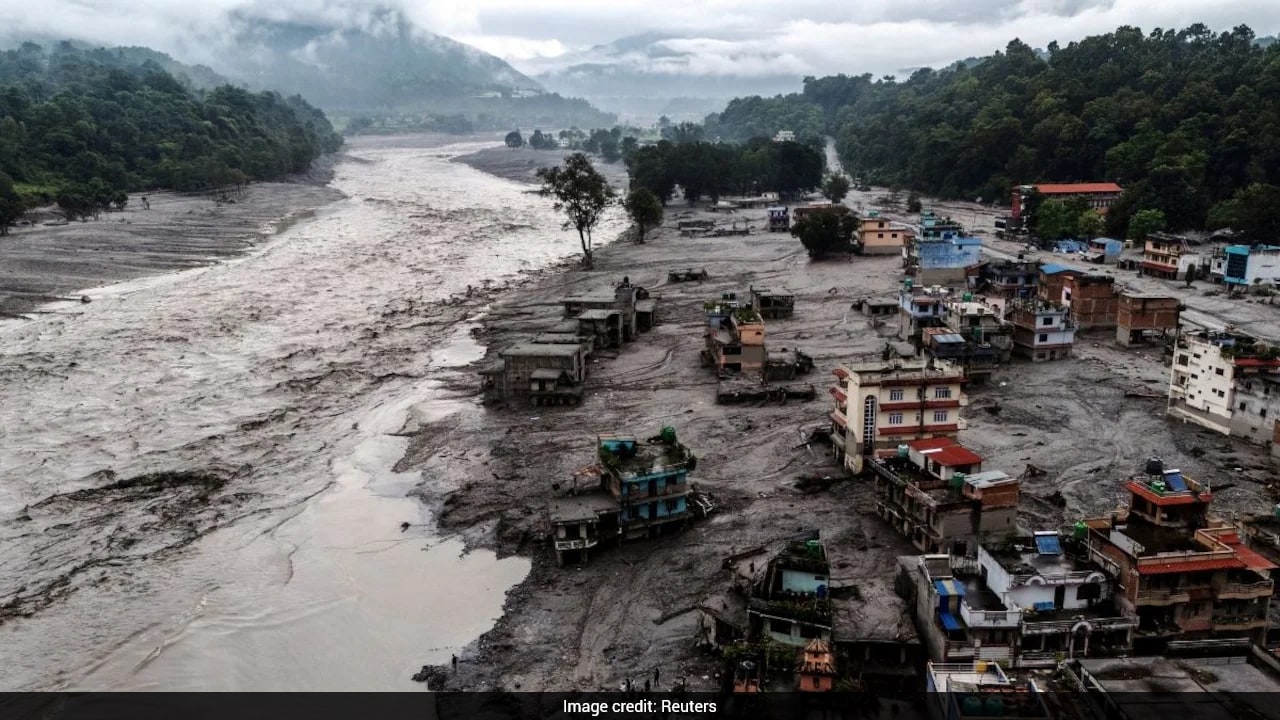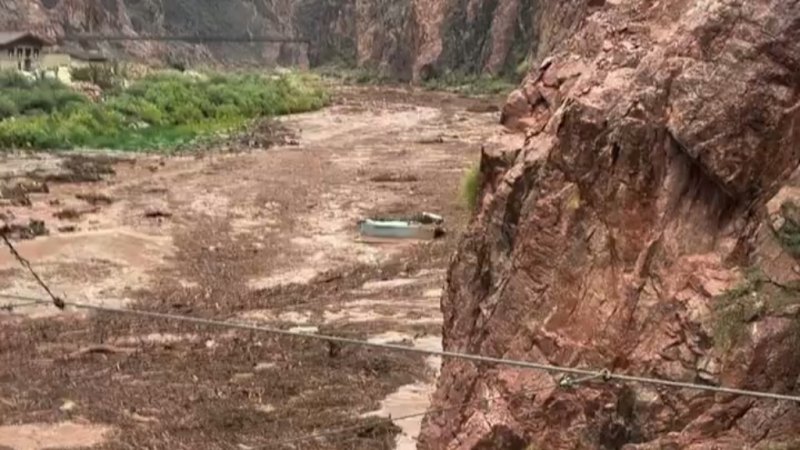
Every time a canyon drainage turns into a muddy freight train, the media reaches for the exact same tired script. Dozens feared missing. Nature's fury. An unpredictable tragedy that caught everyone completely off guard.
It is a comforting narrative for park administrators and municipal planners because it shifts total blame onto the sky. Rain falls, water rises, people vanish, and nobody could have stopped it. Discover more on a related subject: this related article.
Except it is a complete fabrication of risk management failure.
Grand Canyon flash floods do not strike out of nowhere. They follow precise hydraulic laws, predictable topography, and well-documented meteorological triggers that meteorologists track hours in advance. The disaster is rarely the water itself. The disaster is the systemic refusal to treat wilderness recreation with the same rigorous infrastructure mindset applied to civil engineering elsewhere. Additional analysis by National Geographic Travel delves into similar views on this issue.
When a slot canyon or dry wash funnels forty miles of upland rainfall into a twenty-foot-wide stone chute, you are not dealing with a mystery of nature. You are dealing with a funnel. And if you put humans at the bottom of a funnel without an exit strategy, you did not experience an act of God. You experienced a structural planning collapse.
The Myth Of The Unpredictable Deluge
The lazy consensus in outdoor safety circles claims that desert storms are sudden microbursts that defy forecasting. Twenty years of backcountry operations in the Southwest taught me a harsher truth. Flash floods are only sudden if you are ignoring the radar twenty miles upstream.
A storm cell dropping three inches of rain on the Coconino Plateau does not magically teleport into the inner gorge. It takes hours to travel downwash through drainage networks like the Little Colorado or Havasu Creek. The water moves fast, yes. Often between ten and twenty miles per hour depending on channel gradient. But water obeys gravity, and gravity leaves a paper trail.
When authorities report dozens missing after a canyon surge, the root cause is almost always an institutional failure of communication and access control. We romanticize the wilderness experience to the point of negligence. We sell permits, hand out brochures with vague warnings about looking at the sky, and wash our hands of liability.
Imagine a scenario where a commercial highway bridge collapsed because maintenance crews knew a river was rising but chose to leave the toll booths open because closing them would inconvenience commuters. There would be congressional hearings.
Yet when hikers enter a notorious drainage during a monsoon advisory, we call it an unfortunate accident.
Deconstructing The Safety Theater
Look at how standard wilderness warnings operate. They rely on individual accountability in environments where individual perception is entirely useless.
If you are standing on a dry red-rock bed three hundred feet below the rim, the sky above you might be postcard blue. You cannot see the storm raging forty miles away on the rim. You cannot hear the low-frequency acoustic rumble of a debris flow until it is seconds away from impact. Telling a recreationist to "be aware of weather" in a slot canyon is the functional equivalent of telling a pilot to "be aware of gravity" while blindfolding them.
Risk mitigation in these environments requires aggressive, authoritarian friction. It requires physical gates, telemetry-linked sirens, and zero-tolerance closures based on upstream precipitation thresholds rather than visual confirmation at the site.
Park services resist these measures for two reasons: cost and user experience. Iron gates and automated warning systems ruin the pristine, untouched illusion of the backcountry. They shatter the illusion that you are a rugged explorer conquering the frontier.
So instead, we accept acceptable losses. We treat missing persons reports as a baseline tax on outdoor recreation.
The Hydrological Reality Nobody Wants To Fund
Real safety costs money, and it is entirely unsexy.
River gauges on major Colorado tributaries are robust, but minor side-canyons—the exact spots where tourists and independent backpackers lose their lives—frequently lack real-time telemetry connected to automated evacuation alerts. Money goes toward visitor centers and parking lot expansions while backcountry monitoring remains a patchwork of manual spot checks and hope.
If we treated remote wilderness recreation with the operational rigor of an industrial construction site, we would mandate three changes immediately:
- Upstream Telemetry Gates: Mandatory installation of laser-triggered water level sensors in all high-risk narrows that automatically flash red warning beacons at trailhead entry points miles below.
- Dynamic Permit Revocation: Automatic suspension of backcountry permits via SMS blast when upstream catchment areas exceed rainfall volume limits, shifting the decision out of the hands of tired tourists.
- Hard Closure Enforcement: Moving away from advisory signage toward physical chain-link barriers that require active trespassing to bypass during high-risk windows.
The Downside Of Total Control
Let us be completely transparent about the cost of this approach.
Enforcing hard closures and industrializing safety in national parks strips away the primitive autonomy that draws people to the desert in the first place. If every wash has a camera, a sensor, and a gate, the wild ceases to be wild. You turn nature into an amusement park ride with a safety belt.
That is the trade-off. We can keep pretending that flash floods are unpredictable acts of fate and continue searching for bodies in the silt, or we can admit that our current model of wilderness safety is built on plausible deniability and wishful thinking.
The next time a drainage blows out and headlines scream about missing tourists, do not look at the clouds. Look at the agency that took the permit fee, watched the radar, and left the gate wide open. Stop blaming the rain for washing away people we refused to protect from math.