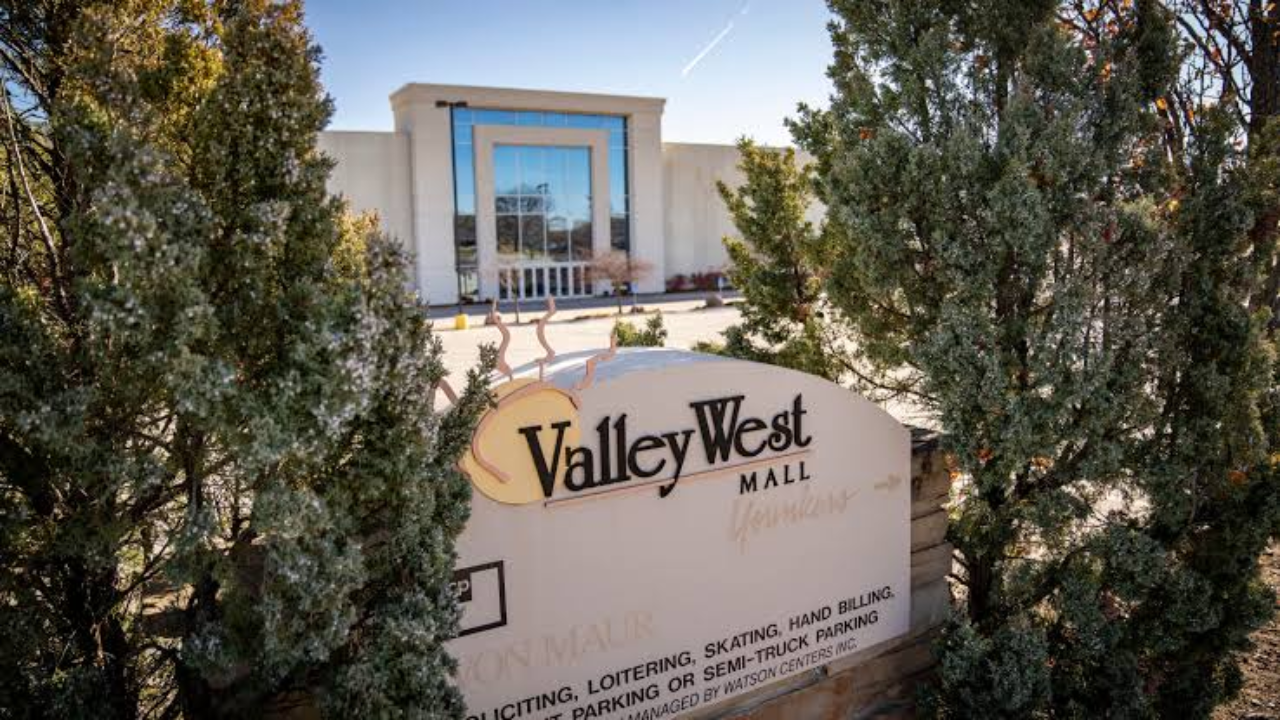
Everyone loves a tidy villain. In the ongoing saga of the Valley West Mall buyout, the narrative written by local media and swallowed whole by the public is a simple David versus Goliath fable.
An ambitious local developer, Threshold Capital, swooped in to purchase the 58-acre West Des Moines property for a paltry $11 million. They hold grand visions of a $350 million mixed-use utopia complete with open-air retail, housing, and green spaces, heavily greased by up to $110 million in municipal tax incentives. Standing squarely in the path of progress is the stubborn, anchor-tenant ghost of retail past: a nearly fifty-year-old JCPenney lease that runs through 2032.
The lazy consensus says JCPenney is a corporate roadblock holding a community hostage for a payday. The lawsuits fly, the countersuits pile up in Polk County District Court, and commentators wring their hands over dead retail holding back suburban revitalization.
It is a comforting story. It is also fundamentally wrong.
If you think a legacy department store lease is an accidental speed bump in a redevelopment project, you have never built anything heavier than a PowerPoint slide. The retail lease is not the bug in the system; it is the system itself. Developers who buy distressed commercial real estate without locking down their anchor tenants beforehand are not visionary pioneers taking calculated risks. They are gamblers playing with taxpayer-backed house money, hoping courts will rewrite ironclad legal contracts because a neighborhood's aesthetic preferences changed.
Let us look at the mechanics of how commercial real estate actually operates beneath the PR spin.
The Illusion Of The Unforeseen Obstacle
When a mall like Valley West slips into foreclosure—sitting vacant for years after anchors like Younkers and Von Maur pull out—its underlying value is not in the crumbling physical structure. Concrete, dry-vit, and leaking flat roofs have negative net worth when demolition costs are factored in. The real value lies in the land covenants, easements, and reciprocal easement agreements (REAs).
These legal documents are ancient monuments of commercial law. They dictate parking ratios, sightlines, operating hours, and common-area maintenance. When Threshold Capital bought that corpse for $11 million, their legal team did not stumble onto the JCPenney lease as a shocking surprise on a Tuesday morning. They knew about it down to the last clause. Every commercial title searcher in Iowa could have recited those covenants from memory.
The strategy here was never to negotiate a peaceful exit. The strategy was to use the courts to invalidate through a declaratory judgment what they could not afford to buy out cleanly.
When you file a lawsuit asking a judge to declare a 50-year-old contract commercially impracticable, you are admitting that your pro forma math only works if the law bends to your spreadsheet. JCPenney fired back with a countersuit alleging the new owners breached the agreement by cutting off mall utilities, clearing out surrounding tenants, and signaling an intent to demolish around them without consent.
Who looks worse here? The retailer protecting a binding contract asset, or the buyer who bought a property for pennies on the dollar and immediately expected the judicial branch to clear the land for a government-subsidized payday?
The Fallacy Of The Blight Narrative
Local politicians love to throw around words like blight to justify dangling nine-figure public subsidy packages. West Des Moines leadership is dangling up to $110 million in infrastructure and parking incentives because they are terrified of a dead retail shell sitting at a prime intersection.
Imagine a scenario where a private entity buys a distressed asset for $11 million, immediately demands the city foot a $110 million infrastructure bill, and then expects the courts to void pre-existing encumbrances so they can flip the dirt into residential apartments and trendy coffee shops. That is not urban renewal. That is a real-estate private equity arbitrage play backed by municipal risk absorption.
If a retail store agrees to a 50-year lease, they are paying for certainty. JCPenney is not running a charity; they secured rights that survive corporate bankruptcies, changing consumer habits, and shifting municipal whims. If the developer wanted a clean slate, they should have negotiated a buyout before closing the deed, exactly like the previous prospective buyer, ATI Group, attempted to do for nine months before walking away when the numbers failed to pencil out.
Walking away is what professionals do when a contract price is too high. Suing the anchor tenant is what happens when amateurs fall in love with their own architectural renderings and forget that contracts matter.
What Real Urban Revitalization Looks Like
The obsession with clearing every square inch of old enclosed malls to build generic mixed-use "lifestyle centers" is a tired playbook. We have built enough faux-downtown outdoor promenadas with luxury apartments over overpriced burger joints to last several lifetimes.
Real transformation respects the existing economic gravity of a site. JCPenney remains one of the few high-traffic legacy footprints that still pulls actual working-class foot traffic into physical retail boxes across America. Instead of treating them like an occupying army to be legally evicted, creative master-planning would integrate that operational box into the new footprint.
Developers who moan about anchors ruining their master plans are admitting a failure of imagination. If your $350 million multi-phase vision cannot accommodate a functioning department store that actually has paying customers walking through its doors, your design is fragile.
Contractual law is the bedrock of commercial stability. The moment we decide that a developer with an $11 million check and a political hook can run to a district court to void half-century-old business commitments just because retail trends shifted, we destroy the predictability that underwrites every major capital allocation in the country.
Stop blaming the retailer for reading the contract they signed. Start questioning why developers expect taxpayers to underwrite their legal shortcuts.