The ink was barely dry on the latest post-mortem report dragging Los Angeles County over its fractured 2025 wildfire recovery playbook before the predictable chorus started. Bureaucrats missed deadlines. Communication silos choked relief funds. Agencies pointed fingers while residents waited months for basic permits. The lazy consensus among critics is simple and comforting: if we just write a better bureaucratic checklist, coordinate committee meetings faster, and draft a tighter master blueprint, the next disaster will go smoothly.
It is a comforting lie.
I have watched public sector recovery operations from the inside for over a decade. I have seen millions of dollars burned on meticulously crafted emergency master plans that became expensive doorstops the exact second a real crisis hit the ground. Focusing on whether Los Angeles County lacked a coordinated plan after the 2025 fires misses the structural reality of modern disaster response. The problem is not that the plan was flawed. The problem is that planning for high-complexity, low-frequency catastrophes using traditional administrative frameworks is a structural impossibility.
When you treat disaster recovery as an exercise in bureaucratic alignment, you guarantee failure.
The Myth Of The Unified Command
Every post-crisis review follows a predictable script. Analysts pull transcripts, interview disgruntled department heads, and conclude that the root cause of chaos was a lack of centralization. The prescription is always more centralization. Create a super-agency. Appoint a recovery czar. Build a bigger dashboard.
This is administrative magical thinking.
In reality, massive urban-wildland interface fires do not obey organizational charts. They fracture systems along existing fault lines. When an inferno wipes out thousands of structures across varied jurisdictions, municipal, county, state, and federal agencies are instantly thrown into a resource-scarcity death match. A centralized plan assumes a stable environment where actors have perfect information and predictable bottlenecks. A post-disaster environment is the exact opposite. It is hyper-volatile, characterized by broken supply chains, overwhelmed municipal workforces, and traumatized local leadership.
Expecting a county government to execute a seamless, unified recovery across fractured zoning laws, environmental reviews, and insurance nightmares is like expecting a commuter sedan to win a Formula One race simply because you gave the driver a better map. The vehicle is wrong for the track.
Instead of asking why the county failed to coordinate its paper processes, we should be asking why we rely on administrative paper processes at all when the terrain demands an agile response model.
The Regulatory Trap That Kills Recovery Faster Than Fire
Let us look at the data most critics conveniently ignore. The primary delay in rebuilding after major California fires is rarely the lack of a county recovery plan. It is the crushing weight of pre-existing regulatory friction that gets weaponized against homeowners the moment they try to clear a ruined foundation.
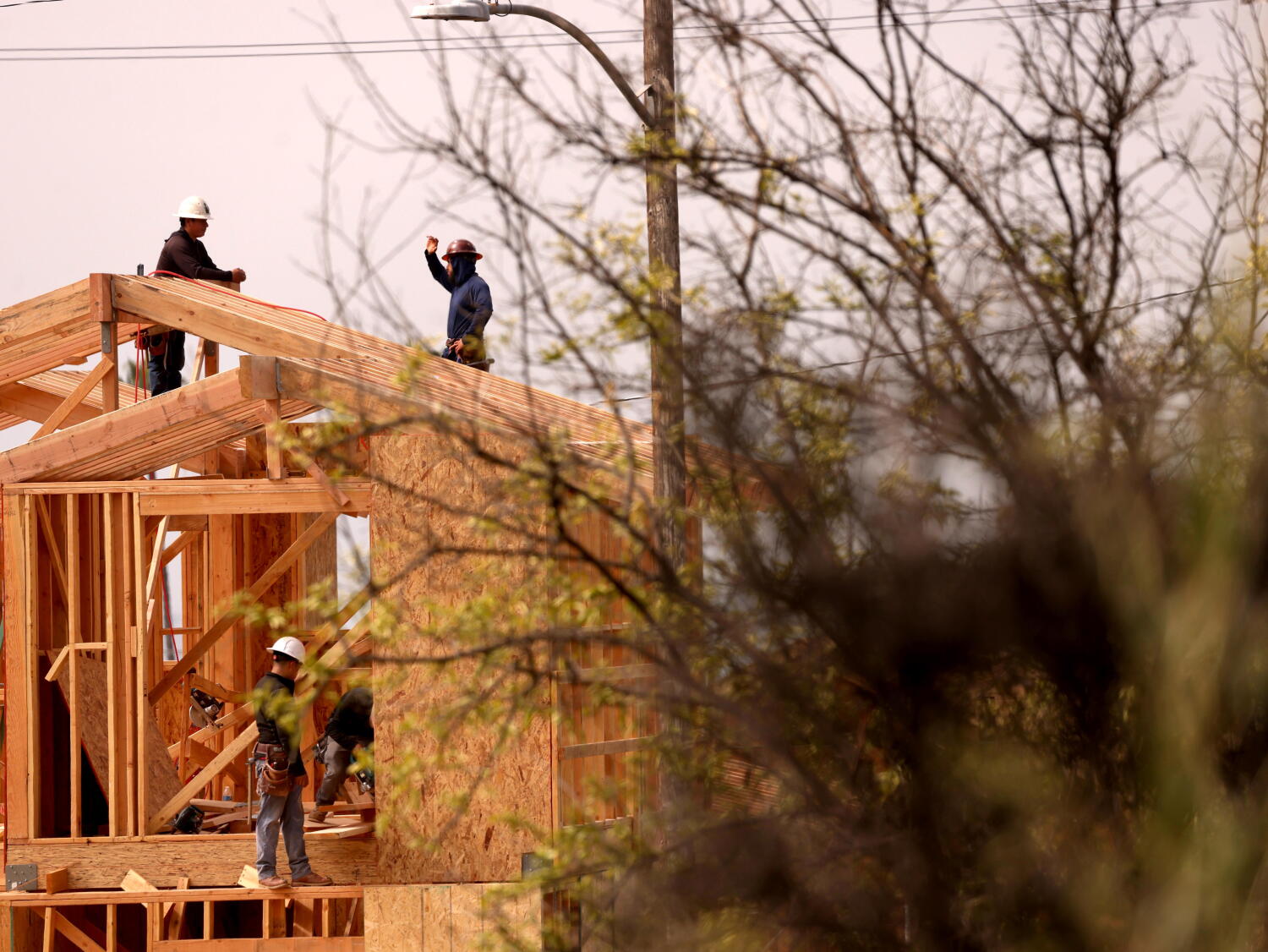
Environmental reviews, historic preservation mandates, and coastal commission oversight treat post-disaster rebuilding as if it were brand-new luxury development. When a family loses their home, they do not need an eighteen-month environmental impact study to verify that the dirt lot where their house used to stand is still a lot. Yet, county permitting offices are legally bound to process disaster rebuilds through the exact same congested pipelines used for speculative commercial projects.
Blaming the county for lacking a cohesive recovery plan lets the state-level regulatory apparatus off the hook. The county cannot coordinate its way out of statutory paralysis. If the legal framework requires twenty different sign-offs before a bulldozer can touch private property, no amount of executive leadership training will speed up the timeline.
This creates a perverse incentive structure. Bureaucrats prioritize compliance over speed because their legal liability for skipping a step is catastrophic, while the cost of delaying a family's return home is borne entirely by the taxpayer and the displaced resident. Until we separate disaster reconstruction from standard urban planning statutes, recovery will remain agonizingly slow, regardless of how many coordination committees meet on Zoom.
Decentralization Is The Only Escape
If centralized master planning is a dead end, what works?
We need to shift from top-down coordination to radical operational decentralization combined with pre-authorized emergency waivers. Imagine a scenario where, upon the declaration of a catastrophic wildfire event, statutory building codes and zoning restrictions within the burn zone are automatically suspended for like-for-like residential rebuilds for a period of twenty-four months.
Instead of waiting for bureaucrats to approve permits one by one, homeowners should be handed a digital verified pre-approval packet based on their prior footprint, allowing licensed contractors to break ground immediately while liability is backstopped by state emergency funds.
Critics will scream that this invites corner-cutting or environmental degradation. They are prioritizing theoretical risk over human suffering. The current system values bureaucratic caution over human lives restarting, leaving thousands in limbo for years while lawyers debate setback requirements.
True reform requires accepting a dose of operational chaos in exchange for velocity. You cannot have a zero-risk recovery process that also happens quickly. Every safeguard you add to a bureaucratic process trades time for certainty. In disaster recovery, time is the most expensive currency of all.
Stop asking the county to write better plans for a broken system. Break the system instead.