The Silence in the Room
He doesn't look at me. Not yet.
Leo is seven years old, and he is currently fascinated by the way light refracts through a glass of apple juice. He tilts the glass precisely three degrees to the left, then back. He isn't being difficult. He isn't "broken." But for his parents, the silence between them and their son feels like a vast, unbridgeable canyon.
This is the reality of profound autism. It isn't just a different way of seeing the world; for many families, it is a struggle with severe developmental delays, an inability to communicate basic needs, and a lifetime of specialized care that remains, for now, the only available path.
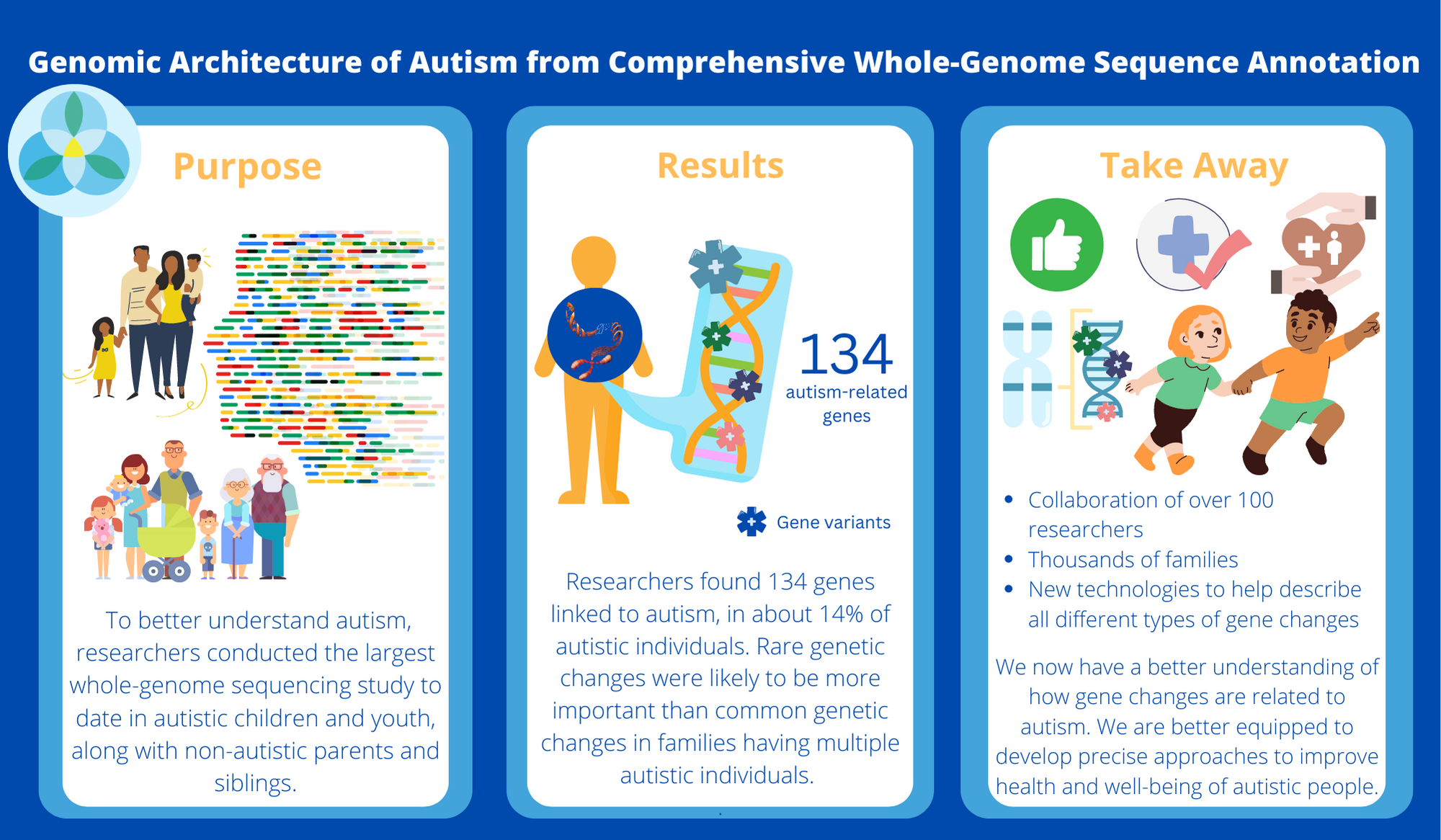
Scientists have known for years that the roots of this condition often lie deep within our code. Specifically, a gene called Shank3. When this gene is mutated or missing, the brain’s synapses—the electrical junctions where thoughts and feelings jump from one neuron to the next—fail to form properly. It is a structural error in the foundation of the mind.
Until recently, we thought the foundation was permanent once the concrete dried. We were wrong.
The Architect in the Syringe
In a laboratory in Shanghai, a team of researchers led by the Chinese Academy of Sciences decided to stop looking at the brain as a finished building. They began treating it as a living document.
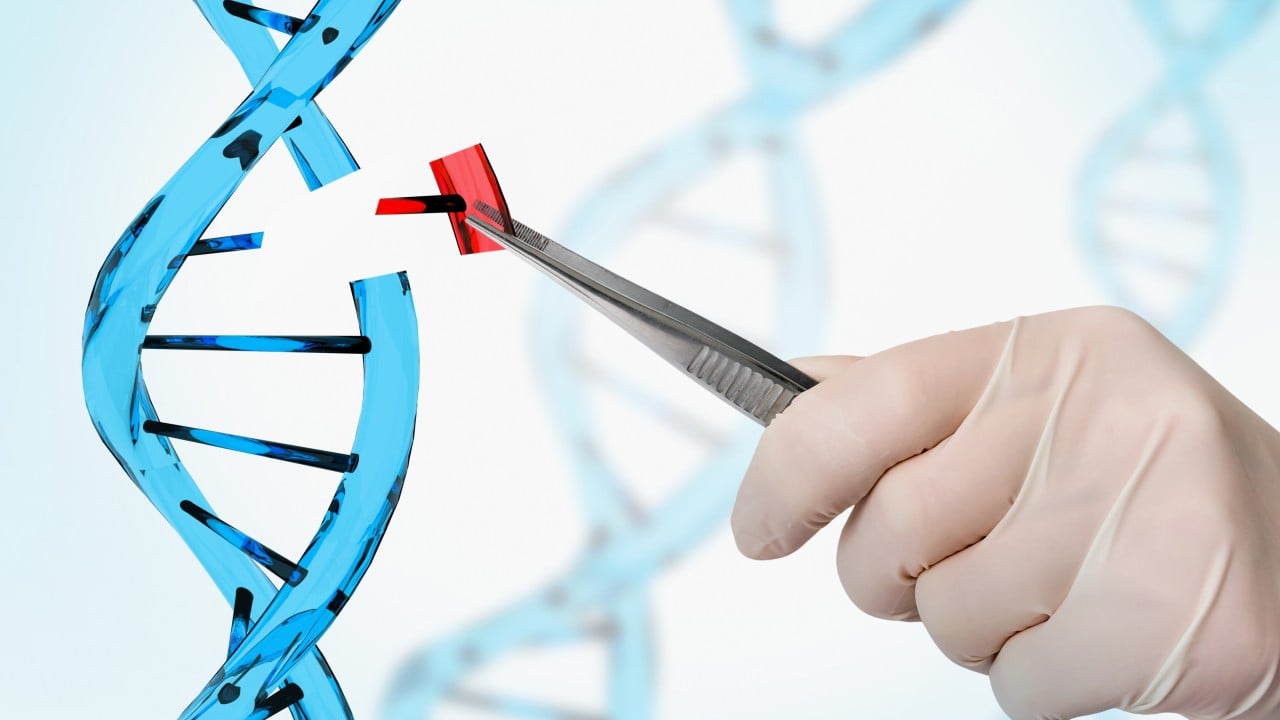
They used a tool that sounds like science fiction but is becoming our most potent reality: base editing. While the more famous CRISPR-Cas9 acts like a pair of molecular scissors that cuts DNA, base editing is more like a pencil and an eraser. It doesn't hack through the genetic spiral; it simply swaps one letter for another.
The researchers targeted a specific "point mutation." Think of it as a single typo in a three-billion-letter encyclopedia. That one typo in the Shank3 gene is enough to rewrite a child's entire life.
To test if they could fix it, they created "humanized" mice—creatures carrying the exact same genetic error found in many autistic patients. These mice displayed the hallmark behaviors: they were socially withdrawn, repetitive, and deeply anxious.
Then, they sent in the architects.
The Midnight Repair
They delivered the gene-editing machinery directly into the brains of these mice via a viral vector. It was a single injection.
Imagine a library at midnight. A technician walks in, finds one specific book on a shelf of millions, opens to page 412, and changes a "T" to a "C." They close the book and walk out. No one saw them. No other books were disturbed.
That is the level of precision we are talking about.
The results were not merely "statistically significant." They were transformative. The mice began to change. The social avoidance vanished. The repetitive, obsessive grooming stopped. When the scientists looked at the physical structures of the brains, they saw the synapses—those vital electrical bridges—rebuilding themselves.
The brain, even an adult brain, proved to be far more plastic than we ever dared to hope.
The Weight of the "Maybe"
I sat with Leo’s mother, Sarah, and told her about the Shanghai study. She didn't cheer. She didn't cry. She just exhaled a breath she seemed to have been holding since Leo’s diagnosis.
"Is it safe?" she asked.
That is the question that haunts every breakthrough. In the Chinese study, the researchers reported zero "off-target" effects. This is the holy grail of genetic medicine. If you edit the wrong part of the genome, you don't just fail to cure the condition; you might accidentally trigger cancer or another neurological disaster.
But this new technique, called AeCBE, seems to have a surgical delicacy. It didn't wander. It didn't "break" anything else. It went to the Shank3 gene, fixed the typo, and stayed there.
However, we must be honest about the chasm between a mouse and a boy. A mouse doesn't have a complex ego. It doesn't have a culture. It doesn't have memories of seven years spent in a different cognitive state. If we "fix" the gene in a human child, what happens to the person they were before?
The Ethics of the Eraser
We are entering an era where we can treat the "untreatable." For years, the medical community focused on behavioral therapy—teaching children like Leo to mimic social cues they didn't naturally feel. It was like teaching someone to navigate a room by memorizing the location of every furniture piece in the dark.
Gene editing offers to turn on the lights.
But turning on the lights reveals everything. There is a heated, necessary debate within the neurodiversity movement about whether autism needs a "cure" at all. Many argue that their unique brain chemistry is central to their identity.
But for Sarah, watching Leo bang his head against the floor in a fit of frustration because he cannot say the word "water," the debate feels like a luxury she cannot afford. She isn't looking to change his personality. She is looking to give him a voice.
The Chinese team's success with Shank3 is a signal fire. It suggests that the biological "brakes" on development can be released.
A New Map of the Mind
The implications stretch far beyond a single gene. If we can reliably fix a point mutation in the brain without side effects, we aren't just looking at a treatment for autism. We are looking at a way to rewrite the scripts for Huntington’s, for certain forms of ALS, and for a host of rare, devastating neurodevelopmental disorders that have long been considered death sentences or life sentences.
The tech is ready. The science is proven in the lab. Now comes the long, agonizing crawl through clinical trials, regulatory hurdles, and the deep, dark woods of human ethics.
We are no longer just observers of our own evolution. We have picked up the pen.
The Glass of Juice
Leo finally puts the glass down.
He turns his head, and for a fleeting second, his eyes meet mine. There is a spark there—an intense, vibrating intelligence that is currently trapped behind a wall of faulty proteins and misfiring synapses.
The wall is no longer a solid, permanent thing. It is made of letters. And we have finally learned how to read them.
The technician is standing in the midnight library. The book is open. The pencil is poised. We are just waiting for the courage to turn the page.
Leo reaches out and touches his mother’s hand. It is a small gesture, but in this quiet room, it feels like an earthquake.
The canyon is still there. But for the first time, I can see the blueprints for a bridge.