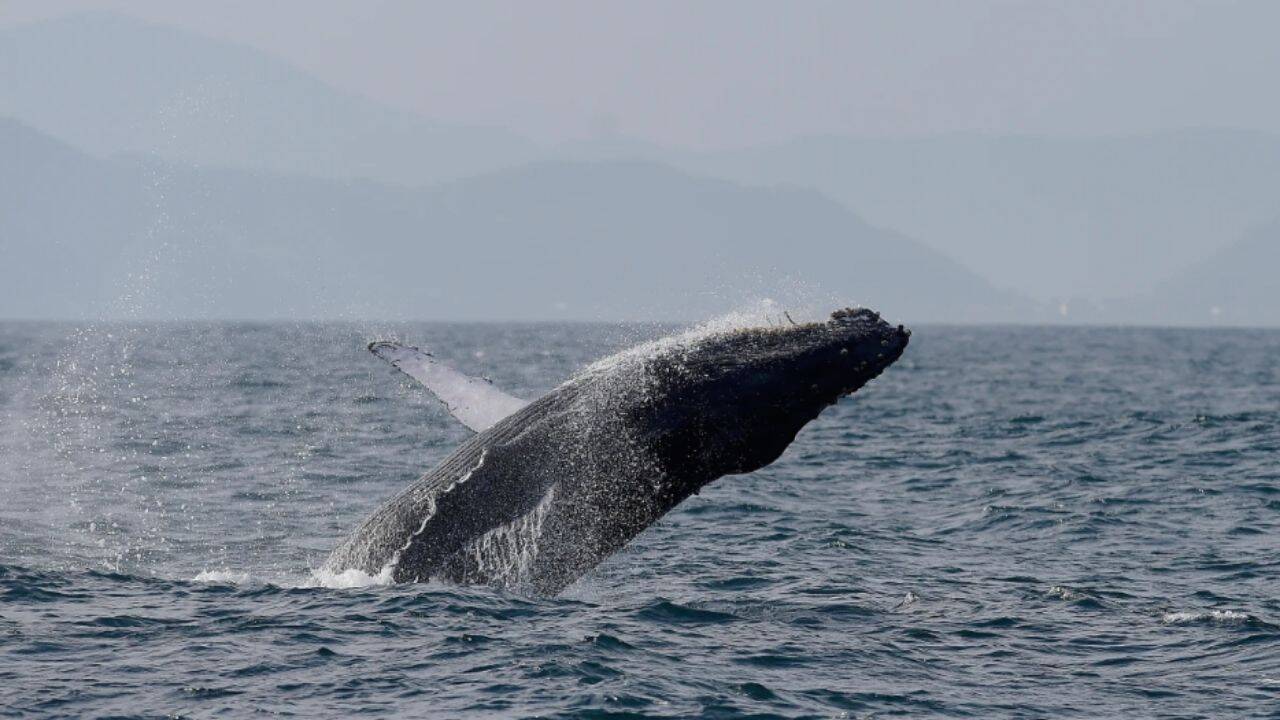
You couldn't pay someone to see a humpback whale off the coast of Brazil forty years ago. They weren't just rare; they were practically absent, wiped out by commercial harpoons until only about 2,000 survivors remained in the wider South Atlantic. People literally mistook breaching bodies for coastal rocks because no one expected a leviathan to live there.
Today, the script has flipped completely. Nearly 35,000 humpback whales cruise through Brazilian waters during peak migration. That explosion marks one of the most successful marine conservation turnarounds in modern history, proving that environmental policies actually work when governments stop dragging their feet.
How Brazil Humpback Whales Climbed Back From the Brink
The International Whaling Commission threw a lifeline to cetaceans in 1982 by voting for a commercial whaling pause, which went into effect for the 1985 and 1986 seasons. Brazil didn't wait around. They outlawed commercial whaling domestically in 1987.
They also put a protective ring around the Abrolhos Bank, a rich coral reef cluster sitting off the coasts of Bahia and Espirito Santo. That area serves as a massive maternity ward and mating ground for Southern Hemisphere humpbacks. Females travel roughly 4,000 kilometres from their chilly feeding grounds in the Southern Ocean just to nurse their calves in these warm Brazilian nurseries.
By 2014, the local population rebound had gone so well that Brazil officially dropped humpbacks from its national threatened species list.
What Changed For Marine Researchers
When you have thousands of massive animals returning to places like Rio de Janeiro's Guanabara Bay or the Abrolhos archipelago, field science changes overnight. Biologists don't have to guess about migration habits anymore. They use advanced tools to track individual animals across ocean basins.
Take photographic identification, for instance. Researchers used to spend hundreds of grueling hours cross-referencing tail fluke patterns by hand. Now, automated platforms like Happy Whale run comparisons in seconds. That tech recently linked a Brazilian humpback to a sighting more than 15,000 kilometres away off the east coast of Australia. Oceans are far more interconnected than marine biologists previously assumed.
Scientists like Fabio Fontes still brave the swell in small zodiac boats, using specialized equipment to gather skin and blubber samples from active breeding pods. These biopsies help map genetic health and track how pollutants affect the herd.
The New Tourism Boom Around Brazilian Waters
You can feel the economic shift on the ground, too. Small maritime businesses are capitalizing on the recovery. Outfits like the Rio Ocean Club now run specialized sailboat excursions in small groups, pairing tourists with onboard marine biologists.
Whale watching used to be an afterthought in Brazil. Now it's a thriving sector. When travelers watch a forty-foot adult whale breach against the backdrop of Guanabara Bay, abstract conservation statistics turn into personal convictions. People protect what they can see.
Even with 35,000 animals roaming the coast, the job isn't finished. Modern threats like commercial shipping traffic, ocean noise pollution, and discarded fishing gear still pose daily risks to migrating pods. But watching these giants reclaim waters they haven't dominated in generations offers a rare shot of optimism for the planet's blue spaces. Book a responsible local boat tour if you visit Bahia or Rio during migration season, support marine research non-profits, and let these rebounding populations keep expanding on their own terms.
Humpback whales overcome extinction threat and flock...
This video provides a firsthand look at the massive recovery of humpback whales along the Brazilian coast and highlights ongoing conservation efforts to protect them.