The asphalt on a standard American city street does not care about your vulnerability. It is hard, unforgiving, and hot under the midday sun. For most people, navigating it is an afterthought, a series of automatic movements executed while thinking about groceries or text messages. But for someone relying on two wheels moved by the strength of their own arms, that same pavement is a tactical map of obstacles, cracked sidewalks, and high-speed metal.
When you sit lower than the rest of the walking world, your perspective changes. You see the world from the waist down. You notice the frayed hems of jeans, the scuff marks on sneakers, and the sudden, unpredictable shifts in human momentum. You learn to read the air for tension. In related developments, read about: Why Turkiye Is Not the NATO Power Broker Mainstream Media Thinks It Is.
On a seemingly ordinary afternoon, that air turned entirely to fire.
The dry facts of the police blotter state that a man threw a homemade incendiary device—a Molotov cocktail—at a person in a wheelchair. The headlines cataloged the arrest, the charges, the location, and the bail amount. They treated the event like an anomaly, a bizarre blip in the daily feed of local anxieties. But reducing an act of targeted violence to a cold paragraph of legal jargon erases the terrifying reality of what it means to be defenseless in a space everyone claims to share. NPR has also covered this fascinating issue in great detail.
The Chemistry of Vulnerability
A glass bottle filled with accelerant, stuffed with a rag, and lit with a cheap plastic lighter is a weapon of terrifying simplicity. It requires no specialized training to build. It demands no face-to-face combat. It is an act of cowardice wrapped in a flash of heat.
Consider the mechanics of an escape when you cannot run.
Imagine sitting in a chair, watching a spark catch, realizing what is flying through the air toward you, and knowing your maximum speed is bound to the rotation of your wrists. The panic is not a sudden spike of adrenaline that fuels a sprint; it is a suffocating weight. The ordinary world fractures. A sidewalk corner becomes a trap. A brick wall becomes a dead end.
The suspect in this case carried a grievance that materialized in glass and gasoline. We often talk about street violence as a product of sudden flashpoints, a bar fight that spills outside, or a robbery gone wrong. This was different. It was an intentional choice to deploy a weapon associated with wartime sabotage against someone whose daily existence is already a masterclass in navigation and survival.
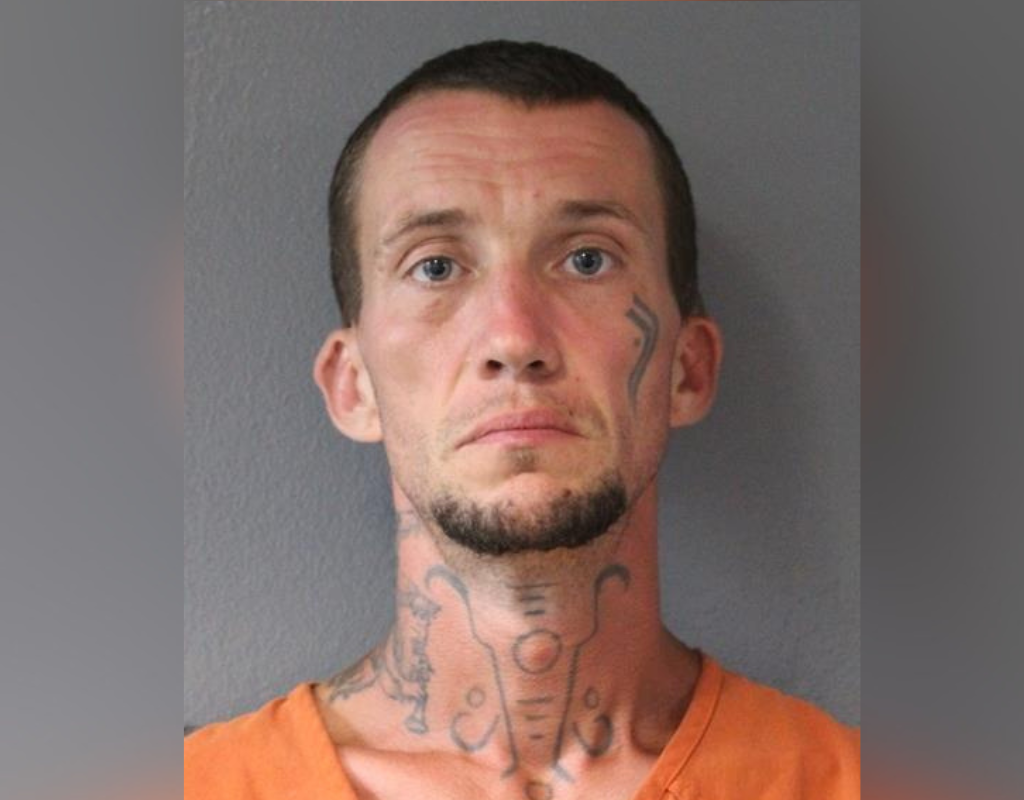
When we read these reports from the comfort of our screens, we tend to distance ourselves. We think of the victim as an abstract entity, a character in a grim screenplay. We look at the mugshot of the perpetrator and compartmentalize him as a monster outside our social fabric. By doing this, we miss the deeper, more unsettling truth about the frayed edges of our communities.
The Friction of the Sidewalk
The modern city street is a pressure cooker. As mental health resources dwindle and the cost of basic survival climbs, the public square becomes a theater of raw friction. Those who are most visible and least protected bear the brunt of this heat.
Every day, thousands of people with mobility challenges navigate spaces that are subtly hostile to their presence. Broken elevators at transit stations, blocked ramps, and drivers who refuse to yield are the quiet, systemic ways the world tells a wheelchair user that they are an afterthought. But when that systemic indifference hardens into active malice, the illusion of safety vanishes entirely.
The fire from a Molotov cocktail leaves a physical mark on the pavement—a black, greasy stain that takes weeks of rain to wash away. The psychological stain on a community lasts much longer. It forces a quiet calculation among everyone who witnessed it, and everyone who reads about it.
Am I safe here?
Who will step in if the world starts burning around me?
The bystander effect is a well-documented psychological phenomenon where the presence of others discourages an individual from intervening in an emergency. In the chaotic moments after an attack like this, the crowd often freezes. The brain struggles to process the absurdity of the scene. Fire belongs in a hearth or a grill, not hurtling toward a person sitting on a sidewalk. The sheer incongruity of the violence creates a paralysis that can be fatal.
The True Cost of Casual Cruelty
We live in an era where anger is a currency, and outrage is a daily habit. It is easy to see how an unstable mind can interpret this cultural noise as a license to act. When public discourse becomes incendiary, the literal interpretation of that fire inevitably finds a home on our streets.
The legal system will process the man who threw the bottle. There will be hearings, public defenders, motions, and eventually, a sentence. The state will check a box, declaring that justice has been served.
But true justice is not a gavel hitting a block of wood in a quiet room. Justice is the ability of a vulnerable person to cross a street without the ambient fear of becoming a target. It is the assurance that your physical limitations will not be viewed by a predator as an invitation to strike.
The victim survived the flames, but survival is a complicated word. It means carrying the memory of the heat. It means looking at every passing stranger with a new, exhausting layer of suspicion. It means the simple act of rolling down a familiar avenue now requires a mental armor that no one should be forced to wear.
We cannot fix the brokenness of our public spaces by merely increasing the number of police cruisers or writing harsher penalties into the penal code after the fact. The solution requires a fundamental shift in how we value the people who occupy the margins of our vision. It demands that we look at the person in the chair not with pity, or indifference, but as an equal stakeholder in the peace of the neighborhood.
The next time you walk down a city street, notice the details. Watch the uneven pavement. Notice the steep curbs. Then, look at the people moving alongside you. The safety we take for granted is a fragile agreement, written on paper but maintained only by our collective willingness to protect each other when the match is struck.