The silence in a quarantine ward is different from any other kind of quiet. It is heavy. It smells of chlorine, sweat, and plastic sheeting. When you are sitting inside a biohazard suit, your own breath is the loudest sound in the world. Every exhale fogs the visor. Every inhale reminds you of how fragile the barrier is between the clean air inside your mask and the invisible killer outside.
For weeks, that heavy silence hung over the stabilization centers. The world held its breath. The headlines screamed of an impending catastrophe, a viral wildfire poised to tear through communities.
Then, the numbers changed.
The World Health Organization quieted the alarms, revealing that suspected cases had plummeted to 116. Hundreds of people who had been isolated, feared, and monitored were officially ruled out. They did not have Ebola. They were free to go home.
To a statistician, this is a successful downward curve on a data sheet. To a global community, it is a sigh of relief. But on the ground, behind the plastic barriers, that drop from hundreds to just over a hundred is not a number. It is a series of human lives suspended between terror and survival.
The Crucible of the Suspected Case
Consider a hypothetical patient. Let us call her Aminata.
Aminata woke up three days ago with a raging fever and a headache that felt like a physical weight behind her eyes. In a normal year, in a normal village, she would have assumed it was malaria. She would have swallowed some pills, wrapped herself in a blanket, and waited for the sweat to break.
But this is not a normal year. This is an outbreak zone.
When the community health worker arrived at her door, the atmosphere shifted instantly. Aminata was no longer a neighbor, a mother, or a shopkeeper. She was a suspect.
The mechanics of a suspected Ebola case are brutal in their psychological toll. You are removed from your family. You cannot touch your children. You are placed in a vehicle by people whose faces are hidden behind goggles and respirators. You look like an astronaut being loaded into a capsule, but the destination is an isolation tent.
In those tents, time stretches. Every hour spent waiting for a blood test result feels like a year. You listen to the sounds of the ward. Every cough from the bed next to you sounds like a death sentence. You look at your own skin, searching for the telltale signs, wondering if the fever is just a fever or the beginning of the end.
This is the hidden cost of a health crisis. The panic itself creates casualties. The sheer terror of being suspected can shatter a community’s trust, sending people into hiding and causing other, easily treatable diseases to go unnoticed. When hundreds of people are ruled negative, we celebrate the medical victory. We rarely talk about the emotional trauma carried by those who spent days believing they were going to die.
The Chemistry of Confirmation
Why does it take so long to separate a false alarm from a genuine threat? The answer lies in the messy reality of human biology.
Early-stage Ebola looks exactly like a dozen other tropical diseases. Malaria, typhoid, dengue, and even severe influenza all start with the same baseline symptoms: fever, exhaustion, muscle pain, and nausea. In the first forty-eight hours, a doctor equipped with nothing but a stethoscope cannot tell the difference.
The lab is the only final judge.
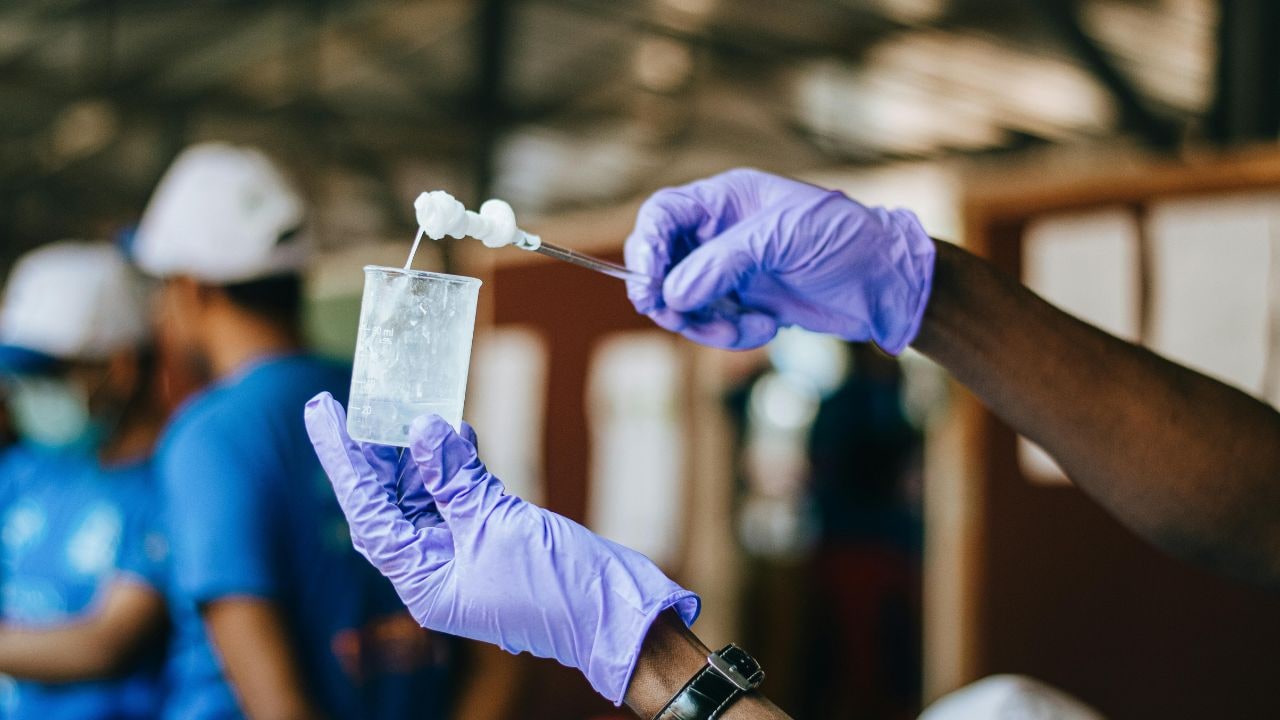
The process requires a molecular technique called Polymerase Chain Reaction, or PCR. Think of it as a biological magnifying glass. A technician takes a tiny sample of blood, isolates the genetic material, and makes millions of copies of it. If the virus is present, even in minuscule amounts, the machine will find it.
But this process is not instant. Blood must be drawn safely by someone wearing full protective gear. It must be stored in a cold chain, transported over rough roads or via specialized transport to a regional laboratory, processed with extreme care to avoid contaminating the staff, and run through complex machinery.
While the PCR machine spins, the numbers on the tracking boards stay high. They are listed as "suspected." A spike in these numbers often reflects an increase in vigilance, not an increase in infection. It means the surveillance system is working. It means health workers are catching every fever, casting a wide net to ensure nothing slips through the mesh.
When the laboratory results finally come back negative, the relief is palpable. The numbers drop. The curve flattens. The world moves on to the next news cycle, unaware of the logistical acrobatics required to clear those names from the ledger.
The Lingering Shadow
The drop to 116 cases is a triumph of containment, but it is a fragile one. The danger with good news in public health is that it breeds complacency.
When the public hears that hundreds of cases have been ruled out, the collective tension relaxes. People stop washing their hands at the community stations. They resume traditional burial practices that involve touching the deceased. They begin to view the health workers with suspicion, wondering if the threat was exaggerated all along.
This skepticism is a dangerous enemy.
The remaining 116 cases are not just statistics; they are active battlefields. Each one represents a person who might still be carrying a highly contagious pathogen. Each one requires rigorous contact tracing.
To understand contact tracing, imagine dropping a stone into a still pond. The stone is the infected person. The ripples are everyone they have interacted with since becoming symptomatic: the taxi driver who brought them to the clinic, the sister who cooked their meals, the shopkeeper who handed them change.
If a single one of those 116 cases is mismanaged, if a single contact is missed, the ripples expand. The numbers will climb again. The tents will fill up. The silence will return.
The work happening right now is less dramatic than the initial outbreak, but it is infinitely more critical. It is the tedious, exhausting work of watching, waiting, and testing. It is the process of putting out the smoldering embers after the main fire has been suppressed.
The Walk Home
Let us return to Aminata.
The morning after her test results arrived, the plastic zipper of her isolation tent opened. The nurse inside the suit did not look at her with apprehension today. The nurse smiled, a crinkle of the eyes visible behind the foggy visor.
The test was negative. It was malaria, easily treatable with a course of tablets.
Before Aminata could leave the center, she had to undergo one final ritual. She stood in a containment area while health workers sprayed her bags, her clothes, and her shoes with a chlorinated solution. It is a wet, cold, and chemically pungent send-off. It is the smell of clearance.
When she walked out of the gates, the sun felt hotter than it had three days ago. The air tasted cleaner. But the walk back to her village was long, and her steps were hesitant.
She knew what awaited her. Her neighbors would look at her from a distance. They would wonder if the doctors were right. They would hesitate before buying vegetables from her stand or letting their children play near her porch. The stigma of the isolation ward lasts far longer than the fever.
The WHO report tells us that the numbers are down. It tells us the system is holding. But the true story of an epidemic is written in the lives of the people who survive the panic, who carry the psychological scars of the quarantine, and who must find a way to rebuild their lives after the world stops looking.
The 116 remaining cases are the immediate priority for the doctors and scientists. But for the rest of us, the focus must be on the hundreds who were cleared—the people who are currently walking home, trying to shake the smell of chlorine from their clothes, and stepping back into a world that looked at them with terror just yesterday.