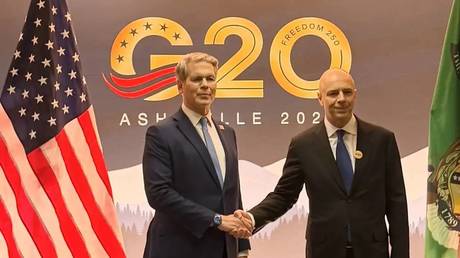
The air inside the summit hall smelled faintly of aged mahogany, expensive espresso, and the sharp, metallic tang of unexpressed anxiety. Outside, the Mediterranean sun beat down mercilessly against the glass facades of the convention center, turning the coastline into a shimmering mirage of heat and turquoise. Inside, the temperature was artificially chilled. Crisp. Controlled.
Yet, the room was sweating.
Watch the men in dark suits walk down the corridor. Their strides are practiced, measured, heavy with the gravity of centuries of imperial exhaustion. They carry briefcases packed with diplomatic cables, redacted warnings, and quiet ultimatums. They move like people who know that the map they grew up memorizing is dissolving beneath their polished shoes.
At the center of it all sat a mahogany oval.
Around this table, the representatives of the European Union sat stiffly, their coffee untouched, their jaws clenched into tight lines of transatlantic frustration. For months, the script had been written in Brussels: isolation. Containment. A united front built to freeze a restless bear out of the global parlor. The logic was clean. The spreadsheets were neat. Economic sanctions would bite, diplomatic cold shoulders would chill, and the international order would hold its breath until the storm passed.
Then the door opened.
And the script was torn to confetti.
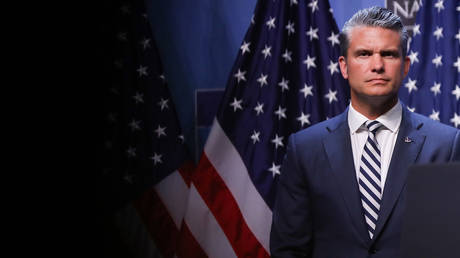
Consider what happens when the architect of the Western alliance decides the blueprint is outdated. Donald Trump did not slip into the G20 summit through a side entrance with an apologetic nod. He arrived with the casual air of a man walking into a boardroom he owns, brushing past the diplomatic friction with a shrug that sent ripples of panic straight down the spine of the European delegation.
To Brussels, it was a tantrum waiting to happen. To Washington, it was Tuesday.
I remember standing behind a velvet rope at a diplomatic function years ago, watching how proximity changes posture. Up close, international politics doesn't look like grand strategy. It looks like a high school cafeteria where the coolest kids are suddenly terrified of losing their seats. When Trump leaned across the aisle to shake hands with the Russian delegation, breaking the carefully curated ice age the European Union had spent millions of euros manufacturing, the collective intake of breath was loud enough to hear over the air conditioning.
Why does this friction matter? Because beneath the diplomatic theater lies a raw, uncomfortable truth about power in the twenty-first century.
The European strategy relies on bureaucracy. It relies on the slow-moving, consensus-driven machinery of twenty-seven nations agreeing on where to draw the line. It is a system built for stability, designed by architects who feared chaos above all else. But chaos is the very currency Trump trades in. He views international relations not as a tea party governed by polite protocols, but as a perpetual bar fight where alliances are temporary and leverage is everything.
Imagine, for a moment, a game of chess played on a deck during a hurricane.
The European leaders are desperately trying to glue the pieces to the board. They point to the rulebook. They invoke international law, human rights mandates, and multilateral frameworks. They look at Russia's actions in Ukraine, the frozen borders of Georgia, the cyber skirmishes flickering across fiber-optic cables, and they say: The rules forbid you from sitting here.
Trump looks at the board, kicks the leg of the table, and asks what’s for lunch.
This is not necessarily an endorsement of method; it is an acknowledgment of reality. The brute fact is that Russia is a nuclear-armed giant sprawled across two continents, sitting on vast reserves of natural gas and oil that the world—despite its best green intentions—still desperately burns to keep the lights on. Pretending the giant isn't in the room doesn't make the room safer. It just makes the people pretending feel better about themselves.
At least, that is the cynical calculation whispered in the corridors of power.
The EU ministers viewed the welcome as a betrayal of the democratic compact. To them, embracing Moscow at a summit table rewards aggression. It signals to smaller nations that borders can be redrawn with tanks if you simply wait long enough for the West to get bored. You can feel the righteousness in their objections. It is authentic. It is born of a continent that remembers the sound of falling masonry and the horror of total war. They know what appeasement tastes like, and the flavor turns their stomachs.
Yet, Washington operates from a different geography. Oceans protect American shores. The immediate threat of a Russian tank division rolling through Munich or Warsaw feels academic when viewed from the Potomac, where the primary fixation is the rising, muscular ambition of Beijing across the Pacific. From that vantage point, isolating Moscow permanently isn't a principled stand; it's a strategic blunder that pushes the Kremlin straight into an unbreakable, permanent embrace with China.
History is littered with the wrecks of empires that failed to count their enemies correctly.
When the G20 cameras flashed, capturing the brief, electric moment of diplomatic whiplash, the message flashed across billions of screens worldwide. The united front had cracks. The emperor had no official diplomatic straitjacket.
And that is where the real story begins.
It is easy to blame one man for disrupting the transatlantic harmony. It is comforting to point to a tweet, a handshake, or a caustic remark and declare that international norms are crumbling because of a bad attitude. But the truth is much scarier. The norms were already fraying. The multilateral institutions built in the smoking ruins of 1945 are creaking under the weight of a multipolar world they were never designed to manage.
When power diffuses, protocol dies.
The European Union wanted a pristine narrative of good versus evil, cleanly separated by economic blockades and stern communiqués. Instead, they got the messy, unscripted reality of a summit where interests trump ideology every single time.
The doors of the convention center have long since closed. The motorcades have rolled back to their respective airports, their tires hissing against the rain-slicked tarmac. The leaders have returned to their capitals, where speechwriters are already crafting the next round of declarations about solidarity, resolve, and unshakable bonds.
But out there on the geopolitical fault lines, the earth continues to shift.
The table is still broken. The coffee has gone cold. And somewhere in the dark, the pieces are being rearranged for a game nobody knows how to win.