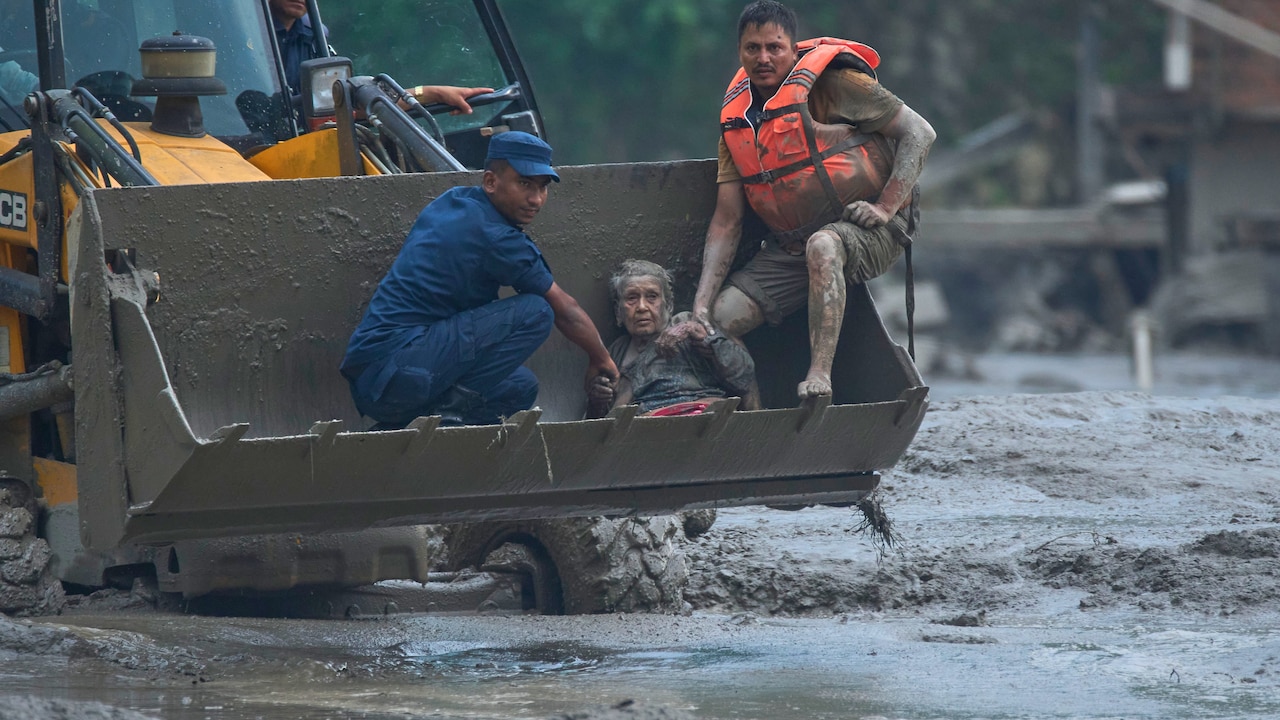
Months after an ice-rock avalanche and flash floods swept across the Nepal-China border, official operations have transitioned from active recovery to a grim bureaucratic accounting. With at least 1,459 dead and a staggering 5,285 individuals still unaccounted for, the Himalayan nation faces an unprecedented humanitarian and administrative crisis. The transition from search-and-rescue to rehabilitation marks an agonizing turning point for families trapped in limbo, where the physical absence of loved ones collides with rigid legal requirements for basic survival.
The Weight of the Missing
The sheer scale of the disaster defies ordinary comprehension. Entire settlements along the Bhotekoshi and Trishuli river corridors were swallowed by walls of water and debris that reached unprecedented heights. Tourists, pilgrims, and local residents vanished in moments. Weeks later, international families from Sydney to South Africa are still texting numbers that will never ring back, grappling with an absence devoid of closure.
Active rescue teams have packed up their gear. The government insists that maintaining continuous grid searches through miles of compacted silt and pulverized riverbeds is no longer feasible. Instead, the focus has shifted toward processing the bureaucratic reality of mass casualties.
The Bureaucracy of Grief
For those left behind, the end of the search triggers a harsh new obstacle course. In Nepal, securing state compensation, accessing insurance payouts, and handling inherited property rights require a formal death certificate. Yet, issuing a death certificate for a body that has not been recovered requires navigating a complex labyrinth of administrative verification.
Authorities have initiated legal frameworks to formally declare missing individuals dead, starting with thousands in heavily affected zones like Bhotekoshi. Local ward offices must compile deeds of inquiry and witness verifications before any state relief funds can be disbursed. This bureaucratic machinery moves at a glacial pace compared to the immediate, visceral needs of displaced populations now crammed into temporary shelters, monasteries, and tents.
DNA collection centers were established early on to match families with recovered remains, but the backlog remains immense. Out of thousands of DNA samples provided by anxious relatives, only a fraction of bodies have been successfully identified and returned. Families describe an unbearable duality. They want to honor their dead, but the administrative push to close the books feels like a premature erasure of human lives.
The Bill for Reconstruction
Beyond the human toll lies a ruined landscape. Twelve major hydroelectric projects were crippled, and critical arteries of roads, bridges, and agricultural land were wiped clean off the map. Economic assessments indicate that rebuilding the devastated infrastructure requires nearly five billion dollars.
This financial chasm exposes the vulnerability of Himalayan infrastructure to climate volatility. Rapid glacial melting and shifting weather patterns create volatile hydrological hazards that traditional engineering fails to contain. As foreign investors and international donors evaluate the region's stability, local communities bear the brunt of the reconstruction delay.
Displaced villagers return daily to the banks of grey torrents, picking through mud where their homes once stood. They do not talk about macroeconomics or climate models. They talk about shelter, the next meal, and the simple right to mourn.
The water has receded, leaving behind cracked earth and unyielding questions.