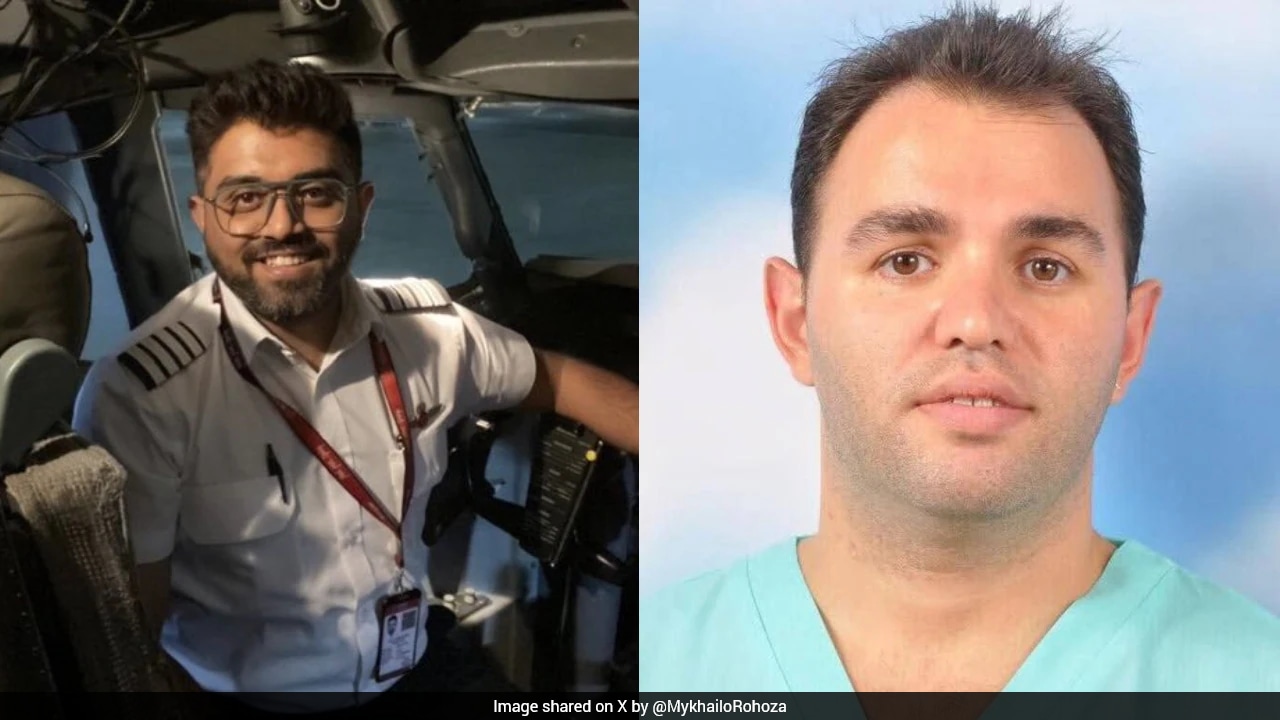
When a Boeing 737 plummets more than fourteen thousand feet in a matter of seconds, the physics of the descent are terrifying, but the human machinery holding the flight together is even more fragile. During the flydubai flight from Dubai to Tel Aviv, Captain Smit Machchhar fought off a sudden, violent mid-air assault by his co-pilot inside a sealed flight deck. Left with deep stab wounds to his head and hands, Machchhar managed a final physical effort to crack open the armored cockpit door before collapsing. What followed on the cabin floor was an impromptu trauma ward overseen not by a seasoned flight surgeon, but by an off-duty Israeli dentist named Shota Musaev.
Medical emergencies at thirty-five thousand feet expose the stark limitations of commercial aviation safety protocols. While airlines stock standard first-aid kits containing adhesive bandages, basic analgesics, and occasional automated external defibrillators, they are entirely unprepared for penetrating trauma. Dr. Musaev found himself kneeling in a cramped aisle with zero surgical instruments, facing arterial bleeding that threatened to extinguish the pilot's life before the aircraft could execute an emergency diversion to Tabuk, Saudi Arabia.
Without scalpels, clamps, or sutures, traditional trauma management rules had to be improvised on the spot. The primary enemy was exsanguination. Every time the makeshift pressure dressings made from passenger T-shirts were lifted to check the wounds on Machchhar's head and hands, the hemorrhage resumed with dangerous volume. Musaev opted for continuous, moderate manual pressure combined with cold packs borrowed from the galley service. Ice constricts local blood vessels, slowing down cellular metabolism and reducing localized bleeding through vasoconstriction, buying precious minutes where modern pharmacology was unavailable.
The physiological battle inside the cabin quickly shifted from bleeding control to systemic perfusion. As blood volume drops, arterial pressure plummets, starving the brain and heart of oxygen. Machchhar's vital signs deteriorated rapidly, his pulse dropping to alarming lows and his lips turning cyanotic as oxygen saturation plummeted. Recognizing the impending cardiovascular collapse, Musaev instructed the flight attendants to elevate the pilot's lower extremities.
This maneuver exploits basic human hemodynamics. Passive leg elevation shifts up to three hundred milliliters of blood from the capacitance vessels of the lower limbs back into the central circulation, temporarily augmenting venous return to the right side of the heart. This transient boost in preload increases stroke volume and cardiac output, keeping enough blood flowing to the brain stem to restore a palpable pulse before permanent anoxic brain injury sets in.
Simultaneously, the psychological dimension of trauma care became just as critical as physical intervention. Hemorrhagic shock induces acute terror, which triggers adrenaline surges that can paradoxically worsen metabolic exhaustion. Musaev kept up a constant stream of verbal engagement, demanding that the pilot stay awake, recite personal details, and focus on his family. Keeping a severely wounded patient conscious prevents airway collapse and provides real-time neurological monitoring when diagnostic machines are absent.
When cabin crew members suggested administering oral painkillers or medications, the dentist intervened to block the administration. Introducing pharmaceuticals into a hypotensive patient with compromised vascular tone risks sudden vasodilation, which can cause blood pressure to bottom out entirely. Furthermore, heavy sedation risks depressing the respiratory drive in an individual already struggling with oxygen delivery.
The incident lays bare the precarious vulnerabilities embedded within modern flight deck security and medical preparedness. While reinforced doors successfully keep unauthorized intruders out, they inadvertently lock medical assistance and external oversight away when the threat originates from within the flight crew itself. When internal violence breaches the inner sanctum of commercial aviation, the survival of hundreds of passengers frequently depends entirely on the random seating arrangements of off-duty professionals who happen to possess clinical training.
As aviation authorities re-evaluate psychological screening protocols and cockpit access contingencies, the forty-five-minute intervention on that flight serves as a stark reminder of systemic limits. Technology can automate much of the cruise phase, but when an aircraft transforms into a trauma scene, survival often reduces to crude pressure, improvised thermodynamics, and the raw stubbornness of human endurance.