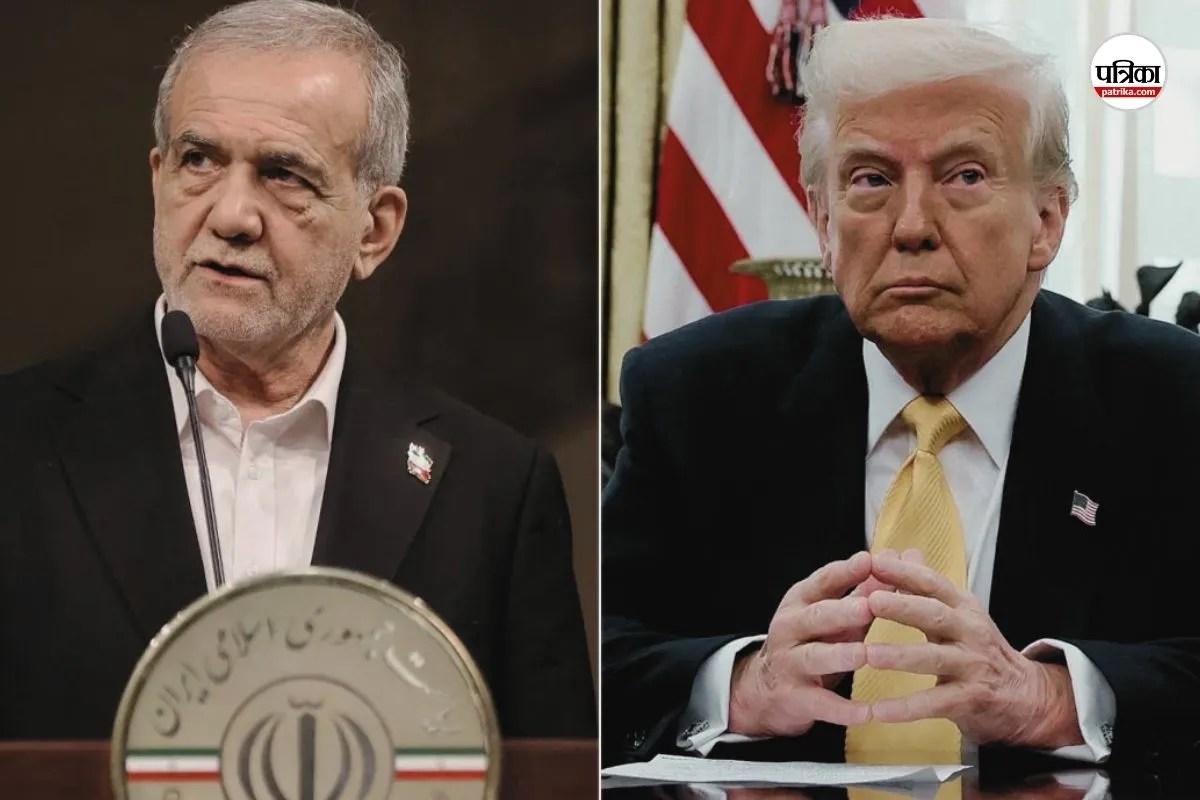
Iranian President Masoud Pezeshkian is publicly backing diplomatic engagement with the United States not out of sudden ideological warmth, but because Tehran faces an acute economic crisis brought on by severe oil export blockades and infrastructure damage. Amid intense domestic pushback from hardline factions, Pezeshkian has argued that refusing to talk leaves the country with only one catastrophic outcome: endless military escalation and financial ruin.
For decades, the political architecture of the Islamic Republic has treated compromise with Washington as an existential failure. Today, that orthodoxy is colliding with raw arithmetic.
The Cost of Isolation
The administration in Tehran is managing an economy bruised by years of sweeping sanctions and compressed shipping lanes. Naval restrictions targeting Iranian ports have severely restricted crude shipments, cutting off the primary source of revenue that keeps the state budget afloat.
When Pezeshkian stood before domestic audiences to defend diplomatic outreach, he stripped away the usual revolutionary rhetoric to address the public ledger directly.
- Oil revenue has plummeted due to maritime choke points restricting tanker traffic.
- Domestic fuel shortages are compounding public frustration.
- Energy infrastructure repairs require foreign capital and technical access that isolation makes impossible.
To pretend that the country has emerged unscathed from recent regional conflicts is political fiction. Pezeshkian knows this. By openly admitting that the current trajectory is unsustainable, he is trying to shift the national conversation from perpetual defiance to calculated survival.
Navigating the Hardline Backlash
The push for direct or indirect channels with the West has triggered fury among domestic hardliners. Figures tied to the security apparatus argue that entering talks without immediate, total sanctions relief amounts to capitulation.
Pezeshkian has countered these objections by reframing diplomacy as an act of strength rather than submission. His core argument rests on a simple premise: negotiating with logic and national backing is vastly superior to drifting into total economic suffocation.
"If we do not negotiate, what should we do? Fight until the end?"
This rhetorical challenge lays bare the lack of viable alternatives available to the executive branch. Military posturing does not generate foreign currency, nor does it fix fractured refineries.
The Mechanics of a Fragile Breakthrough
Behind the public sparring, diplomatic machinery involving regional mediators has sputtered forward. Proposals exchanged through international intermediaries outline potential compromises, including caps on uranium enrichment levels in exchange for unfreezing foreign assets and restoring oil trade pathways.
Yet, trust remains scarce. Washington demands verifiable rollbacks of nuclear capabilities, while Tehran insists that structural economic relief must precede any permanent concessions. Every step forward is shadowed by domestic factions on both sides ready to torpedo the process at the first sign of perceived weakness.
The path forward is narrow, fraught with political peril, and entirely dependent on whether Tehran's leadership can maintain internal cohesion long enough to secure a binding arrangement.