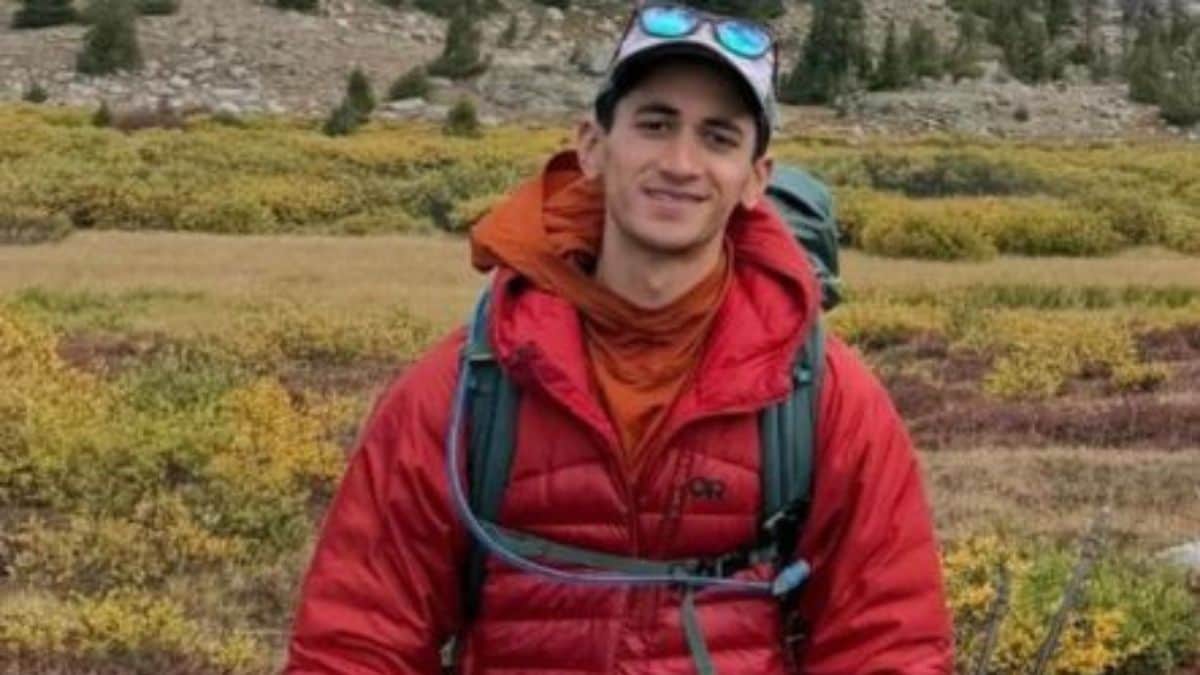
The recovery of Vikram Mubayi’s body from the Big Pine Lakes area in California's Inyo National Forest marks another tragic chapter in the ongoing hazard profile of the eastern Sierra Nevada. Mubayi, a 28-year-old chemical engineering PhD student at the University of California, Santa Barbara, went missing during a solo trek over the weekend of August 1. His last communication with family placed him near Agassiz Col, transmitting precise GPS coordinates before silence fell. Two days later, search-and-rescue teams recovered his remains. While local authorities confirmed no immediate signs of foul play, the incident underscores a persistent, uncomfortable truth about wilderness recreation in high-altitude environments. Experience alone offers a finite margin of safety against the raw unpredictability of California's most punishing peaks.
The Illusion of Preparedness in the Eastern Sierra
Mubayi was not a novice wandering blindly into the backcountry. Family members and peers described him as a fairly experienced hiker with a deep-seated affinity for the outdoors, physical fitness, and rigorous tracking of his routes. Yet the terrain surrounding Big Pine Lakes and the approaches to Agassiz Col commands absolute respect. In related updates, read about: Why Everything You Know About the US Brazil Diplomatic War is Wrong.
At elevations exceeding 10,000 feet, environmental variables shift with violent speed. A route that appears manageable on a digital app or a pre-planned track can transform within hours due to loose scree, sudden temperature drops, micro-weather patterns, and hidden exhaustion.
Wilderness safety experts often point to a cognitive trap known as risk normalization. When an individual completes several demanding excursions without incident, the perceived threat baseline drops. Confidence accumulates faster than technical mastery of alpine anomalies. In technical terrain like the eastern Sierra, high intellect and academic discipline—qualities Mubayi possessed in abundance through his doctoral research—do not translate into physiological immunity against altitude sickness, misjudged footing, or environmental exposure. USA Today has provided coverage on this important topic in extensive detail.
Solo Navigation and the Margin for Error
The decision to hike alone remains a fiercely debated topic within mountaineering circles. Proponents value the solitude, psychological reset, and self-reliance inherent in solo journeys. Critics, however, emphasize that solo travel eliminates the redundancy system required when things go wrong.
When a hiker slips, twists an ankle, or becomes disoriented while accompanied, a partner can administer first aid, maintain body heat, or execute a split-to-summon-help strategy. When a solo hiker encounters trouble near Agassiz Col, every single variable must align perfectly for survival.
- Communication Gaps: Steep granite walls and deep canyons frequently block cellular signals, rendering emergency devices or smartphones unreliable.
- Self-Rescue Limits: Minor injuries that are easily managed with a companion can escalate into fatal emergencies when an individual is immobilized alone.
- Delayed Response Windows: Even with precise GPS coordinates provided during a final check-in, search-and-rescue operations require critical hours to mobilize, navigate difficult topography, and locate a target.
Mubayi’s final known update occurred at approximately 8:37 p.m. on Saturday, August 1, providing authorities with a specific coordinate anchor. Even with this vital data point, locating a missing person across complex alpine verticality demands extensive deployment of county resources, volunteers, and aerial support from agencies like the California Highway Patrol. Time remains the ultimate adversary in mountain rescue operations.
Systemic Risks in California Backcountry Access
The tragic loss of the UCSB researcher highlights broader challenges facing public lands management across the American West. Popular trails near Big Pine Lakes attract thousands of visitors drawn by viral photography and digital trail-sharing platforms. This accessibility creates a false sense of domestic security. Hikers assume that because a route is heavily documented online, it possesses urban safety nets.
Trailhead infrastructure cannot protect individuals from personal miscalculation or sudden medical emergencies. Search-and-rescue teams across California face volunteer shortages and mounting resource strains as more inexperienced and moderately experienced hikers test boundaries without fully accounting for alpine severity.
Preventative education must move beyond basic leave-no-trace principles to address the psychological drivers of wilderness accidents. Respecting a mountain requires acknowledging that nature bargains with no one, regardless of physical conditioning, academic pedigree, or previous triumphs on the trail. The eastern Sierra will continue to draw those seeking solace in its heights, but every expedition demands an unyielding acceptance of its finality.