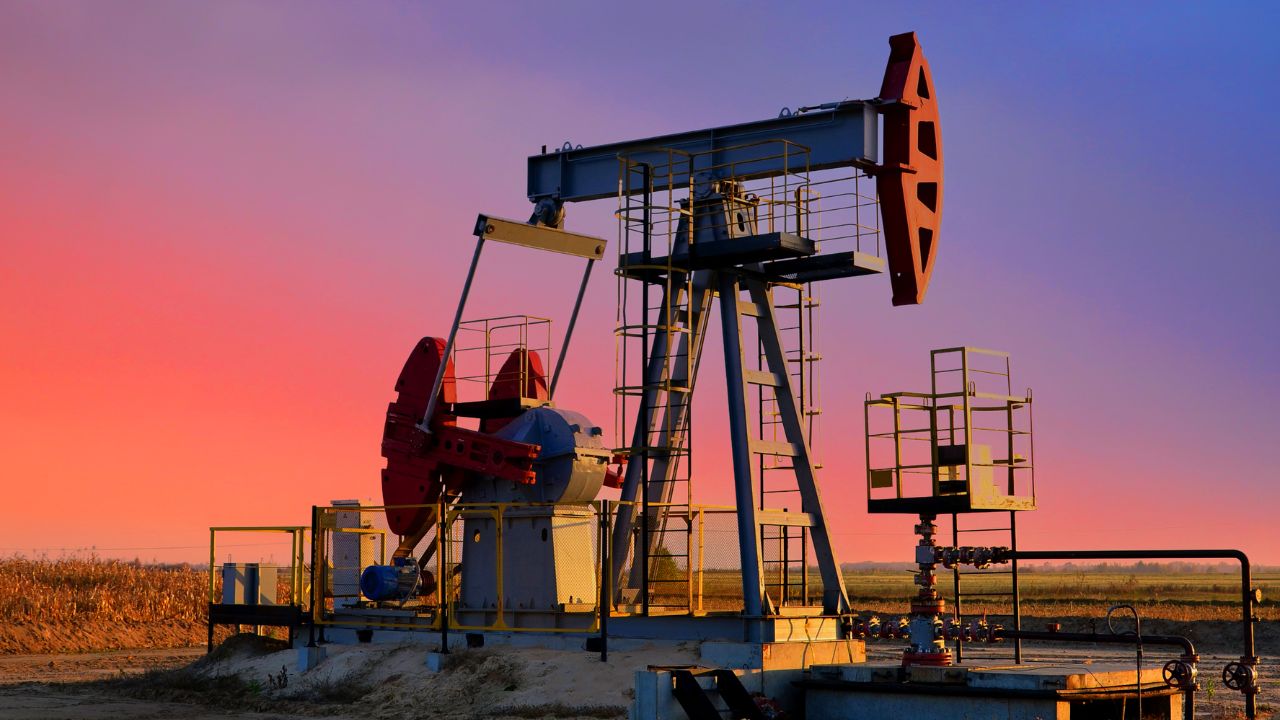
The streets of Nairobi, Lagos, and Luanda are currently defined by the smell of exhaust and the sound of shouting. Across the African continent, a wave of intense protests is gaining momentum as the price of petrol and diesel reaches levels that the average citizen simply cannot afford. While surface-level reporting often blames the global oil market or distant wars for this instability, the actual cause is a toxic combination of abandoned government subsidies, massive currency devaluations, and a desperate struggle for fiscal survival. Governments are effectively passing the bill for decades of economic mismanagement directly to the people at the pump.
This is not a temporary spike in prices. It is a fundamental shift in how African economies operate. For years, several nations used their oil wealth—or borrowed heavily—to keep fuel prices artificially low, viewing cheap energy as a social contract. That contract is being shredded. As leaders try to satisfy international lenders and stabilize their balance sheets, they are igniting a firestorm of civil unrest that threatens to topple administrations.
The Subsidy Trap and the IMF Hand
The most significant driver of the current chaos is the abrupt removal of fuel subsidies. In Nigeria, President Bola Tinubu famously ended the country’s long-standing petrol subsidy within minutes of taking office. The logic was clear on paper. The subsidy was costing the government billions of dollars a year, money that was often siphoned off by corrupt middlemen or lost to cross-border smuggling. By removing it, the government hoped to free up cash for infrastructure and healthcare.
However, the execution ignored the immediate reality for the Nigerian worker. When fuel prices tripled overnight, the cost of everything else followed. In an economy where most people rely on small petrol-powered generators for electricity and informal buses for transport, fuel is not a luxury. It is the primary overhead cost of existence.
The International Monetary Fund (IMF) and the World Bank have long pressured African nations to ditch these subsidies. Their argument is that subsidies are "regressive," meaning they benefit the rich who own cars more than the poor who walk. But this academic perspective misses the "trickle-down" pain of inflation. When a truck driver in Kenya pays 30% more for diesel, the price of a bag of maize in the market rises by 40% to cover the risk and the cost. The result is a population that feels betrayed by global financial institutions and their own leaders.
Currency Collapse and the Dollar Bottleneck
Even for oil-producing giants like Angola or Nigeria, the price at the pump is often tied to the U.S. dollar. This is the great irony of the African energy sector. Because of a chronic lack of functional refineries, many of these countries export crude oil only to import refined petrol from Europe or the Middle East.
When the local currency loses value against the dollar, the cost of importing that fuel skyrockets. Over the past year, several African currencies have been among the worst performers globally.
- The Nigerian Naira has seen record lows.
- The Kenyan Shilling faced immense pressure before recent stabilization efforts.
- The Angolan Kwanza was devalued as the government stopped trying to prop it up.
This creates a "double whammy" effect. If the global price of oil remains steady at $80 a barrel, but your currency loses 50% of its value, you are effectively paying double for every liter of fuel brought into the country. Governments find themselves in a position where they either have to hike prices weekly or go deeper into debt to cover the gap. Most are choosing to hike the prices.
Beyond the Pump the Cost of Moving Goods
The protests are not just about the people who own cars. They are driven by the logistical backbone of the continent. In many African cities, the "matatu" or "danfo" (minibus) is the only way to get to work. When these drivers strike, the city stops.
Transportation costs account for a massive chunk of the final price of consumer goods in Africa—often far higher than in Europe or North America due to poor road conditions and long distances. We are seeing a phenomenon where food inflation is being driven almost entirely by energy costs. Farmers cannot afford to run irrigation pumps, and distributors cannot afford the haulage.
In Kenya, the Finance Act of 2023, which doubled the Value Added Tax (VAT) on fuel to 16%, became the lightning rod for the "Saba Saba" protests. The government argued it needed the revenue to pay off a massive $2 billion Eurobond. The citizens argued they should not have to starve to ensure Wall Street investors get their interest payments. This tension is the defining conflict of the decade for the region.
The Refinement Gap
There is a glaring question that many analysts gloss over: Why can't Africa refine its own oil? The continent sits on massive reserves, yet it remains a captive market for international traders.
The failure to maintain domestic refineries is a story of grand-scale corruption and technical neglect. In Nigeria, billions have been spent on "turnaround maintenance" for state-owned refineries that still don't produce a drop of fuel. The hope currently rests on the Dangote Refinery, a massive private project that promises to make the country self-sufficient. But a single private monopoly is a risky bet for a nation's energy security. If one facility has a technical failure or sets a high price point to recoup its $19 billion investment, the public remains vulnerable.
In East Africa, countries like Uganda and Tanzania are pushing forward with the East African Crude Oil Pipeline (EACOP). While environmental groups protest the project, local governments view it as a desperate necessity to lower energy costs and gain some semblance of independence from the global market's volatility.
Security Implications of the Energy Vacuum
History shows that fuel protests are rarely just about fuel. They are a "gateway" grievance. Once people are in the streets because they can't afford the bus, they start talking about police brutality, government waste, and the lack of jobs.
In Senegal and South Africa, we have seen how energy insecurity—whether it's high fuel prices or "load shedding" power cuts—erodes the legitimacy of long-standing political parties. When a father cannot afford to drive his sick child to the hospital because the tank is empty, his loyalty to the state evaporates. This creates a vacuum that populist movements or even military juntas are quick to fill. In several West African nations, we have already seen a return to military rule, often cheered on by a public that is tired of "democratic" leaders who oversee economic ruin.
The Failed Promise of Green Transition
Western diplomats often visit these protesting nations and talk about the transition to electric vehicles (EVs) and renewable energy as the solution. This is, at best, tone-deaf.
An EV transition requires a stable power grid, which most of these countries do not have. It requires a massive upfront investment in vehicles that the average person cannot afford. Suggesting solar panels to a man who can’t afford five liters of petrol to get his produce to market is not a policy; it is a distraction. For the foreseeable future, Africa’s growth is chained to liquid fuels. Any solution that doesn't address the immediate cost of diesel and petrol is doomed to fail.
Survival Strategies for the Next Quarter
If you are looking for a silver lining, you won't find it in government press releases. The only real way out of this cycle is a brutal restructuring of how these nations manage their wealth.
- Direct Cash Transfers: Instead of subsidizing fuel (which helps the rich), governments must move toward direct digital payments to the poorest citizens to offset transport costs.
- Regional Energy Pools: African nations must stop acting as individual islands. Buying fuel as a regional bloc could provide the leverage needed to negotiate better prices with international traders.
- Local Processing: The focus must shift from exporting raw materials to "value addition." If you can't refine the oil you sit on, you are not an oil power; you are a colony of the global market.
The current protests are a warning shot. The era of cheap, subsidized energy in Africa is dead, and the transition to a market-based reality is being written in blood and tear gas. Governments that fail to cushion this blow will not survive the year. The math is simple: when the cost of going to work exceeds the wage earned, the only thing left for the people to do is burn the system down.
Stop looking for a "rebound" in prices. This is the new baseline. The focus must now shift entirely to radical efficiency and domestic production, or the continent will remain in a permanent state of transition—and a permanent state of unrest.