Australia is staring down a "fragile arrangement" in the Strait of Hormuz that could collapse at the first sign of a missile launch. Prime Minister Anthony Albanese confirmed today that while the world’s most critical maritime chokepoint is technically reopening, the stability of global energy markets remains tied to a ceasefire that looks increasingly like a temporary ceasefire rather than a permanent peace. For the average Australian, this means the relief at the petrol pump is still weeks away, and the geopolitical cost of keeping those tankers moving is about to get much higher.
The Illusion of a Clear Path
On paper, the news from the overnight summit of 50 nations is a victory. The Strait of Hormuz, which sees roughly 20% of the world’s oil and a massive chunk of its liquefied natural gas (LNG) pass through its narrow waters, is no longer under the absolute blockade that followed the US-Israeli strikes in February. But "open" is a relative term when you are dealing with a waterway littered with the wreckage of 16 merchant ships and the looming threat of sea mines.
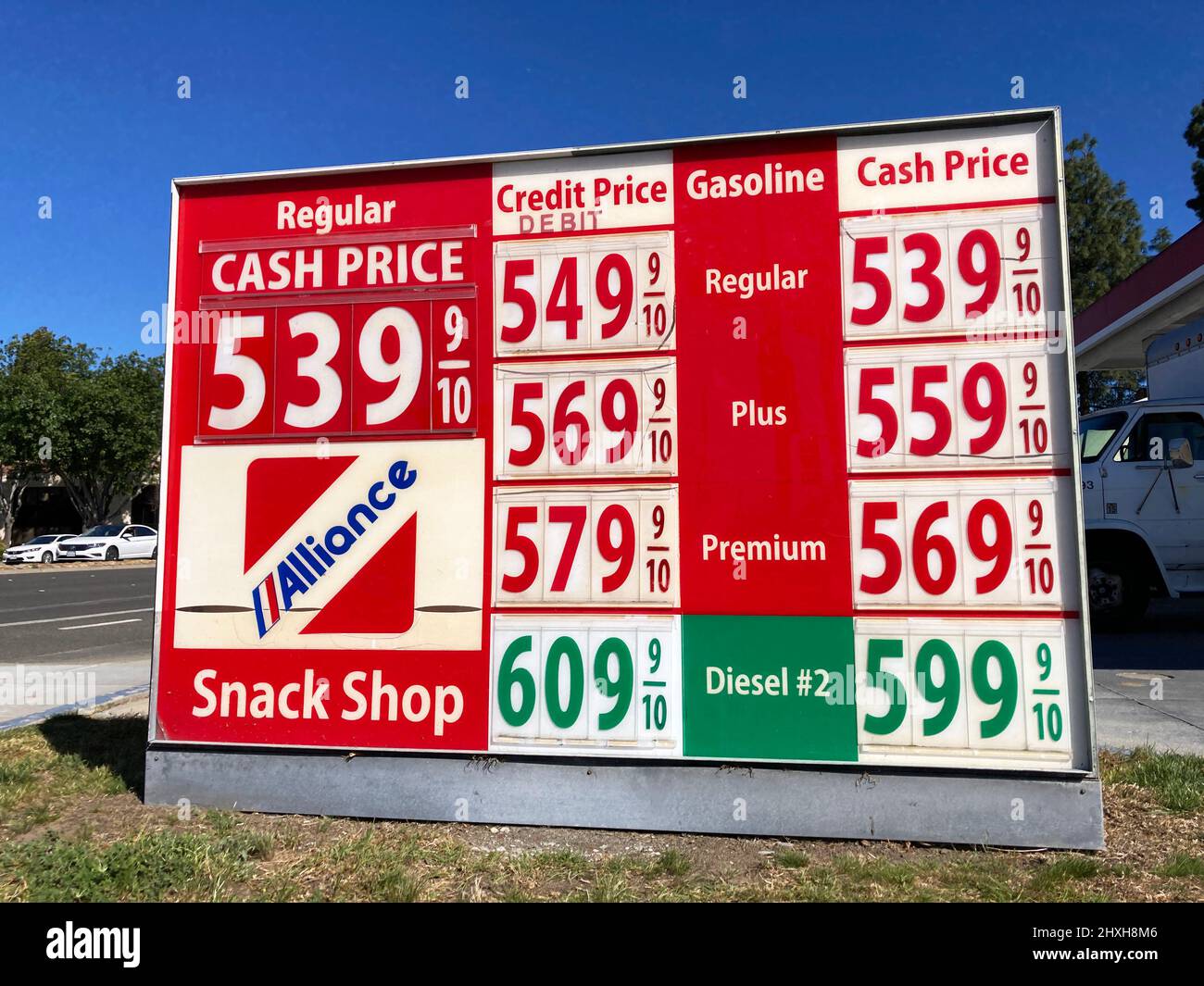
Albanese’s rhetoric—"we want to see this hold"—betrays the anxiety humming through the halls of Parliament House. The Prime Minister isn't just worried about the price of 91 Unleaded in Geelong; he is worried about a precedent where a sovereign state can effectively "privatize" an international strait through kinetic force. If the current arrangement fails, we aren't just looking at expensive fuel. We are looking at a fundamental rewrite of the rules of global trade.
Why the Market Isn’t Celebrating Yet
If you expected the stock market to surge and petrol prices to plummet, you haven't been paying attention to the logistics. Energy analysts are already sounding the alarm that it will take five to six weeks just to get 80% of the affected oil volume back online.
Australia currently holds 46 days of petrol on hand. While that is an improvement from last week, it is a thin margin for a nation that sits at the end of a very long and now very dangerous supply chain. The reality is that shipping companies are hesitant. Insurance premiums for vessels entering the Gulf haven't dropped; they have merely stabilized at "exorbitant." Captains are being asked to sail into waters where a "fragile" ceasefire is the only thing standing between them and a drone boat.
The Military Calculation
The Prime Minister has signaled that Australia is ready to join an international mission to restore maritime security. This isn't just a diplomatic gesture. It is a calculated move to ensure that Australia has a seat at the table when the new rules for the Strait are written.
- The Assets: Vice Admiral Mark Hammond, the incoming Chief of the Defence Force, has already confirmed that eight of Australia’s ten major combatant ships are deployed. They are equipped with advanced radar and missile systems designed specifically for the kind of high-threat environment the Strait has become.
- The Request: Despite the posturing, Albanese insists no formal request for a naval contribution has come from Washington. This is a delicate dance. President Trump has publicly claimed he has the situation "under control" while simultaneously criticizing allies for not doing enough. Australia is trying to stay in the "supportive ally" lane without being dragged into a broader regional war that it has no capacity to finish.
The Cost of Diplomacy
Foreign Minister Penny Wong has been clear: diplomacy is the preferred route. But diplomacy in the Middle East in 2026 is a blood sport. The failure of the Pakistan peace talks earlier this month showed that neither side is willing to blink. The current reopening is less about a change of heart in Tehran or Washington and more about the sheer economic exhaustion of everyone involved.
The "Strait of Hormuz Maritime Freedom of Navigation Initiative" is the latest attempt to put a multilateral sticker on a bilateral grudge match. By joining this initiative, Australia is betting that a 50-nation coalition can provide enough of a shield to keep the oil flowing. It is a high-stakes gamble. If Iran decides the ceasefire no longer serves its interests, or if a "blockade" by the US Navy turns into a direct engagement, the Australian ships stationed nearby will be the first to know.
The Long Road to the Bowser
Energy Minister Chris Bowen may point to the 61 fuel tankers en route to Australian shores as a sign of progress, but those tankers are moving through a graveyard. The conflict that began on February 28 has already seen the largest supply disruption in the history of the global oil market. Even with the Strait "open," the infrastructure damage to Iranian production sites and the lingering threat of sea drones means that "normal" is a long way off.
The brutal truth is that we are one "misunderstanding" away from a total shutdown. Australia’s strategy of cautious optimism and "ready but not yet requested" military posture is designed to keep us out of the crossfire for as long as possible. But as the Prime Minister noted, the precedent being set here changes the way the global economy operates. If the Strait can be closed once, it can be closed again.
The ships are moving, but the world is still holding its breath. The "fragile arrangement" is all we have, and in the current climate, that might have to be enough.
Australia's military planners are heading to London next week to discuss exactly what assets are needed to keep the peace. Whether those assets end up being used for protection or for something more aggressive depends entirely on how long the "fragile" stays in the arrangement.