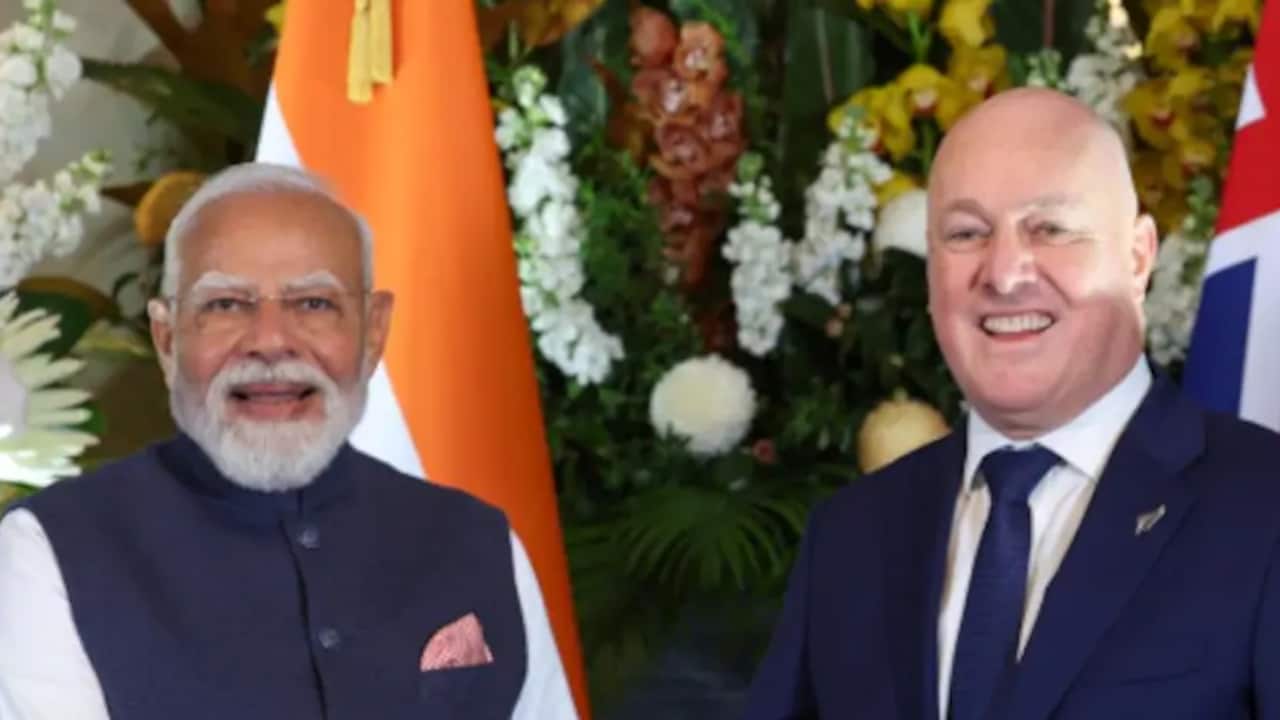
Indian Prime Minister Narendra Modi recently hailed a new trade arrangement with New Zealand as a historic milestone, but the political celebration masks an economic gridlock that has stalled real commercial integration for over a decade. While official press releases trumpet tariff reductions and mutual goodwill, a close examination of the bilateral balance sheet reveals that the core points of contention—specifically dairy protectionism in New Delhi and stringent immigration rules in Wellington—remain largely unresolved. This agreement is less about creating an open market and more about managing a geopolitical relationship where both sides are unwilling to make the sacrifices required for a true free trade pact.
For years, trade negotiators from both capitals have hit a wall whenever they sat down to hammer out a comprehensive economic partnership. New Zealand wants access to India’s massive consumer market for its agricultural exports, particularly milk, butter, and cheese. India, fiercely protecting the livelihoods of its eighty million dairy farmers, has consistently refused to lower its defensive walls. The current announcement does not break this deadlock. Instead, it bypasses the hard choices entirely, focusing on minor concessions in log exports, kiwi fruit, and specialized education services while leaving the heavy machinery of protectionism completely intact.
The Dairy Wall That Will Not Fall
To understand why this relationship moves at a glacial pace, look at the arithmetic of Indian agriculture. India is the largest milk producer in the world. The domestic dairy sector relies on millions of smallholders who own only a few cows or water buffaloes each. These farmers represent a potent voting bloc that no political party in New Delhi can afford to alienate. When New Zealand’s trade officials push for tariff cuts on Fonterra’s products, Indian policymakers do not see an opportunity for cheaper food. They see an existential threat to rural stability.
New Zealand operates on the opposite end of the spectrum. Its dairy sector is a highly consolidated, export-driven machine that sends roughly ninety-five percent of its production overseas. For Wellington, any agreement that excludes dairy is a compromise that lacks economic teeth. By signing onto a deal that keeps Indian dairy tariffs prohibitively high, New Zealand has effectively signaled that it is willing to settle for scraps to maintain a diplomatic foothold in South Asia.
This is not a breakthrough. It is a tactical retreat by negotiators who realized that a comprehensive free trade agreement was politically impossible. The current framework lowers tariffs on a handful of niche products that do not compete directly with Indian domestic industries. Wood pulp, certain hides, and premium wool receive minor adjustments. These concessions look good in a joint statement but do not move the needle for the average exporter in Auckland or Christchurch.
The Services and Migration Imbalance
Trade is a two-way street, and India’s primary export ambitions lie in the services sector and the movement of skilled professionals. Indian negotiators have long demanded simpler visa pathways for IT consultants, engineers, and students seeking to enter the New Zealand workforce. They argue that India’s tech talent can fill critical labor shortages in the southwestern Pacific.
Wellington has historically resisted these demands. New Zealand’s domestic political debate frequently centers on immigration levels, infrastructure strain, and housing shortages. While the new agreement promises to streamline some visa processing times and expand educational exchange programs, it stops short of granting the broad labor market access that New Delhi wanted.
What remains is a shallow framework. Indian tech firms face the same regulatory hurdles when bidding for contracts in New Zealand, and Indian students still encounter high international fees with no guaranteed pathway to permanent residency. The agreement tweaks the bureaucracy rather than modernizing the actual rules of economic exchange.
Geopolitical Alignment Trumps Commercial Reality
If the economic benefits are so lopsided and limited, one must ask why both leaders rushed to declare a historic milestone. The answer lies in the shifting balance of power across the Indo-Pacific region. Both nations are increasingly anxious about China’s dominant economic footprint and aggressive maritime posture.
New Zealand is trying to diversify its trade portfolio. The country learned a painful lesson during recent geopolitical disputes when its heavy reliance on Chinese markets left its economy vulnerable to sudden regulatory shifts in Beijing. Diversifying into India, a nation with 1.4 billion people and a fast-growing economy, is a long-term strategic necessity for Wellington, even if the immediate returns are meager.
New Delhi views New Zealand as a key partner in its Act East policy and its broader strategy to build coalitions with Western-aligned nations. By signing trade agreements—even shallow ones—with members of the Five Eyes intelligence alliance, India projects itself as a reliable, stable alternative to China. The imagery of Prime Minister Modi shaking hands with his New Zealand counterpart is meant for audiences in Washington and Beijing as much as it is for businesses in Mumbai or Auckland.
The Cost of Shallow Trade Agreements
When governments settle for low-hanging fruit, they often remove the incentive to do the hard work later. By labeling this limited deal a historic success, both administrations can claim a political victory without tackling the structural reforms that would actually generate billions of dollars in new economic activity.
Exporters on the ground know the difference between rhetoric and reality. Small and medium-sized enterprises in both countries will continue to face formidable non-tariff barriers, complex customs procedures, and unpredictable regulatory changes. A Kiwi exporter trying to navigate the bureaucratic maze of Indian ports will find little comfort in a joint communique praising bilateral friendship.
True economic integration requires a willingness to absorb domestic pain for long-term mutual gain. India would need to allow foreign competition into its protected agricultural markets, forcing domestic cooperatives to modernize. New Zealand would need to open its borders to a greater volume of foreign workers, challenging its current social infrastructure policies. Neither government possesses the political will to make those choices today.
The document signed by the two nations is an exercise in diplomatic staging. It provides a framework for future talks, establishes working groups, and promises regular consultations. These are the classic tools of trade diplomats when they cannot agree on the core issues. It keeps the conversation alive, but it does not create a free market.
The narrative of a historic milestone obscures a more sober truth. The economic relationship between India and New Zealand remains constrained by the same protectionist instincts that have defined it for decades. Until both nations are ready to discuss cows and visas without political fear, the trade volume between them will remain a fraction of its true potential.



