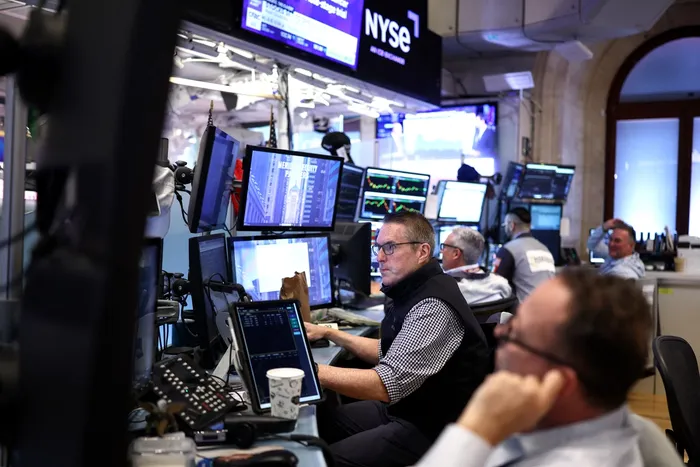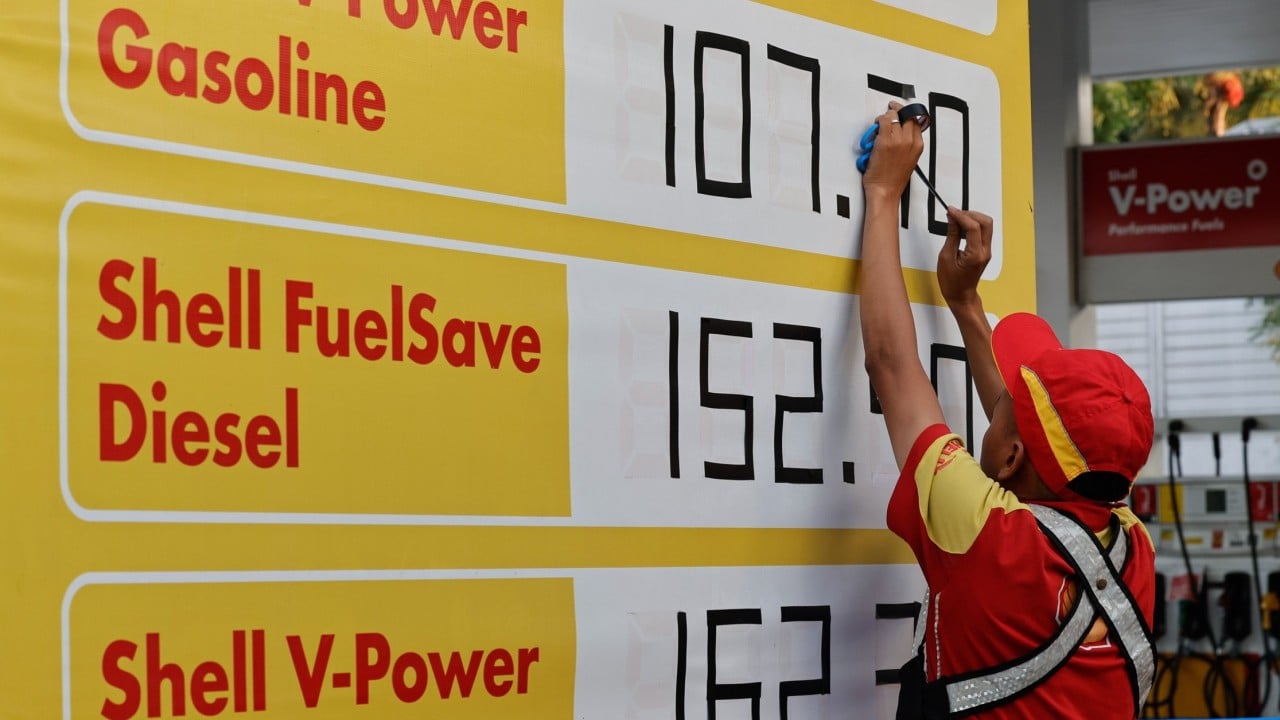
The Philippines remains trapped in a cycle of volatile pump prices because the nation relies almost entirely on imported finished petroleum products while clinging to a deregulated market structure that offers the government very few tools for intervention. Lowering fuel costs requires more than temporary subsidies or small tax tweaks. It demands a fundamental overhaul of the Downstream Oil Industry Deregulation Act of 1998, a strategic return to state-managed oil stockpiling, and a painful reckoning with the high taxes that currently account for a massive chunk of every liter sold. Until the state addresses the structural lack of domestic refining capacity and the absence of a national strategic reserve, the Filipino consumer remains a hostage to global oil benchmarks and shipping disruptions.
The Myth of Free Market Protection
For over two decades, the Downstream Oil Industry Deregulation Act (Republic Act 8479) has been the shield used by successive administrations to justify a hands-off approach. The promise was simple: remove government control, encourage competition, and prices will stabilize. It didn't happen. Instead, the country traded a government-regulated monopoly for a private oligopoly where a handful of "Big Three" players and several smaller independents mirror each other’s price movements with suspicious regularity. You might also find this similar coverage useful: The Trade Deal Delusion and Why India Should Walk Away.
Deregulation was supposed to bring transparency. In reality, it created a black box. When global crude prices drop, pump prices in Manila often lag, staying high for weeks under the guise of "depleting old stock." When global prices rise, the increases are reflected at the pump almost instantly. This asymmetry is not a flaw in the system; it is the system. Without a government-owned entity like the old Petron—before its privatization—to act as a "price leader" or a buffer, the state has no lever to pull when the market fails to provide relief.
The Vanishing Refineries
The most glaring vulnerability in the Philippine energy sector is the collapse of domestic refining. Years ago, the country could import crude oil and process it locally, capturing the value-added benefits and providing some insulation from the price swings of finished fuel products. Today, only one major refinery remains operational. Most oil companies have found it more profitable to shut down their Philippine refineries and convert them into import terminals. As extensively documented in recent coverage by The Economist, the implications are significant.
This shift means the Philippines is no longer just buying oil; it is buying the refining services of Singapore, China, and South Korea. We are importing inflation. Every time a refinery in the region goes offline for maintenance or a shipping lane in the South China Sea faces tension, the Filipino driver pays the premium. By abandoning domestic refining, the country surrendered its last shred of energy sovereignty. Rebuilding this capacity is a decade-long project that no private corporation is willing to fund without massive government guarantees, creating a stalemate that keeps prices high.
The Tax Burden Hidden in Plain Sight
While politicians frequently blame "global market forces," they rarely discuss the portion of the fuel price they control directly. The Tax Reform for Acceleration and Inclusion (TRAIN) Law added significant excise taxes on top of a 12% Value Added Tax (VAT). When the price of oil goes up, the government’s VAT collection increases proportionally. High oil prices are a windfall for the national treasury and a catastrophe for the minimum wage worker.
Suspending these taxes is the most immediate way to bring down prices, but the government resists this because it has become addicted to the revenue. They argue that fuel subsidies for jeepney drivers are a better "targeted" approach. However, subsidies are prone to corruption, bureaucratic delays, and administrative leaks. A direct tax suspension would provide instant, across-the-board relief for the entire logistics chain, lowering the cost of food and basic goods that are currently inflated by transport costs. The "drastic measure" needed here isn't a new law, but the courage to prioritize the survival of the working class over a balanced budget.
The Missing Strategic Petroleum Reserve
Most developed nations and many of our neighbors maintain a Strategic Petroleum Reserve (SPR)—a massive stockpile of oil owned by the government to be used during supply shocks. The Philippines has talked about creating an SPR for years, yet nothing exists beyond paper proposals.
Currently, the country relies on "minimum inventory requirements" mandated for private oil companies. This is a joke in an actual crisis. Private companies hold enough stock for 15 to 30 days, and they are legally obligated to prioritize their own commercial interests. A true SPR would require the government to purchase millions of barrels when global prices are low and release them into the market when prices spike. Without this buffer, the Philippine economy is essentially a car running on fumes, one geopolitical tremor away from a total standstill.
Unmasking the Logistics Bottleneck
Even if the price of oil at the port of Subic or Batangas were to drop tomorrow, the cost of moving that fuel to provinces like Isabela or Davao remains exorbitant. The Philippine maritime and trucking industries are riddled with inefficiencies and "hidden" costs—ranging from port congestion fees to local government permits. These "friction costs" add layers of expense to every liter.
A hard-hitting investigation into the transport of fuel within the archipelago reveals that the domestic shipping industry is protected by antiquated cabotage laws. These laws prevent foreign vessels from engaging in domestic trade, which keeps competition low and shipping rates high. Opening up the shipping sector would slash the cost of moving fuel across the islands. It is a protectionist policy that serves a few wealthy shipping families while punishing millions of consumers.
Why Price Caps Won't Work
There is a recurring populist demand for the government to simply "cap" fuel prices. This is a dangerous illusion. In a country that imports nearly 100% of its fuel, a price cap lower than the international market price leads to one thing: shortages. If an oil company cannot sell fuel for more than it cost to buy and ship it, they will simply stop importing. We saw this in the late 1970s and early 1980s, and we see it today in collapsing economies.
The solution isn't to force companies to lose money, but to change the environment in which they operate. This means re-aggregating the government's buying power. A government-backed bulk purchasing agency could negotiate better rates on the global market than dozens of small, competing importers. By consolidating the nation's demand, the Philippines could potentially secure long-term contracts at fixed prices, insulating the country from the spot-market volatility that currently dictates our lives.
The Myth of the Green Transition as a Short Term Fix
Government officials often pivot to "electric vehicles" and "renewable energy" as the solution to high fuel prices. While a long-term shift is necessary, it is an insult to the tricycle driver struggling today. You cannot eat a solar panel, and you cannot power a 20-year-old diesel jeepney with a battery that costs more than the vehicle itself. The transition to EVs in the Philippines is currently a luxury for the upper class.
For the next twenty years, the Philippine economy will remain powered by internal combustion engines. Ignoring the structural problems of the oil industry in favor of "green" rhetoric is a dereliction of duty. We need a dual-track strategy: aggressive investment in renewables for the grid, but a simultaneous, surgical repair of the oil procurement and distribution system.
The Real Cost of Inaction
The failure to reform the fuel sector is a primary driver of Philippine poverty. When fuel prices rise, the cost of fertilizer rises, the cost of irrigation rises, and the cost of bringing rice to the market rises. It is a compounding tax on the poor. The "drastic measures" often debated—like nationalizing the entire industry—are unlikely and perhaps even counterproductive in a globalized world. However, the middle ground—re-regulation with teeth, a state-owned price-leading entity, and a national reserve—is not just possible; it is mandatory.
The government’s current strategy is one of hope: hoping the war in Europe ends, hoping the Middle East remains stable, and hoping the peso doesn't weaken further. Hope is not a policy. Every day the administration avoids amending the Deregulation Act or building a strategic reserve, it is choosing the profits of the few over the stability of the many. The infrastructure for lower prices exists in the form of policy choices and logistical reforms; the only thing missing is the political will to dismantle the status quo.
Establish a government-owned fuel procurement corporation with the mandate to build a six-month strategic reserve. This isn't about socialism; it's about national security.