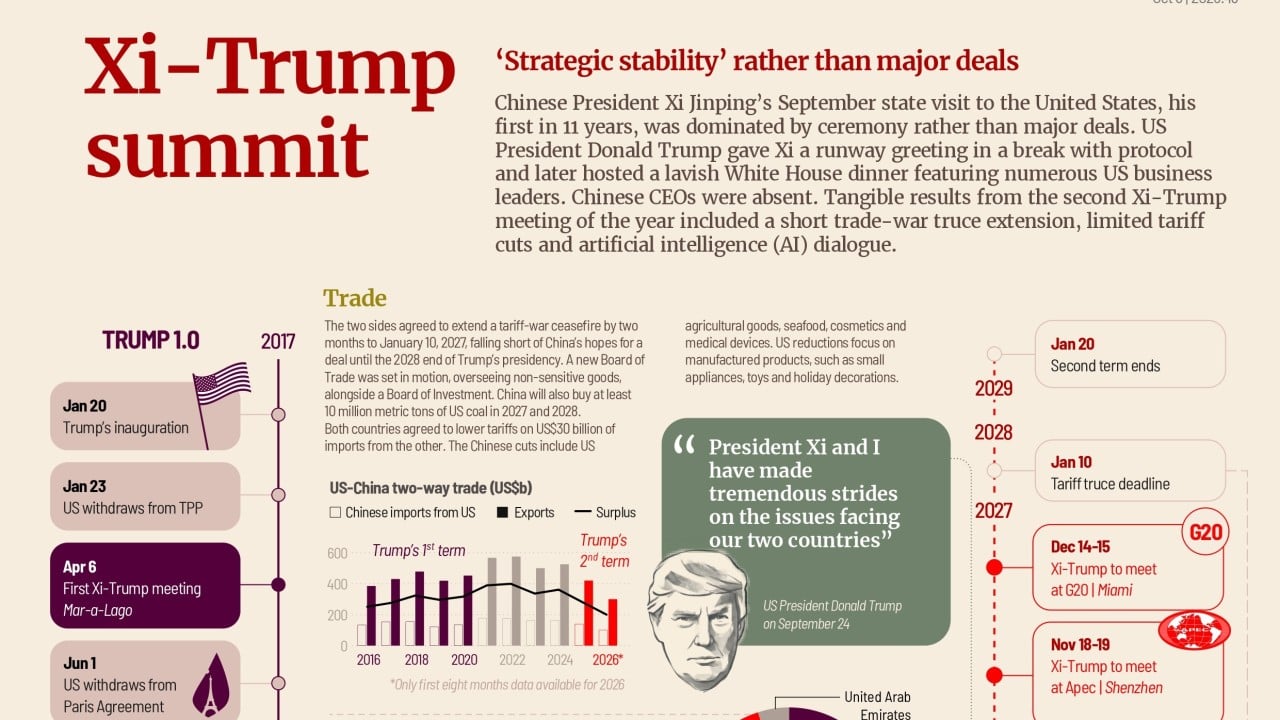
The grand theater staged in Shenzhen offers a convenient illusion for weary markets. When superpowers clash over semiconductor embargoes, critical mineral choke points, and maritime trade routes, diplomats love to dress up a temporary ceasefire as a historic turning point. Let us strip away the diplomatic varnish. The ongoing friction between Washington and Beijing is not heading toward a grand resolution. It has settled into a permanent, grinding state of structural competition where temporary truces merely buy time for the next supply chain shock.
To understand why recent summit outcomes carry an expiration date rather than a permanent solution, look at the mechanics of the current economic arrangement. The fragile truce keeping baseline trade moving functions entirely on borrowed time. Washington demands strict enforcement on agricultural purchases and unhindered access to rare earth elements. Beijing counters with uncompromising fury over high-end semiconductor export bans and restrictions on technology transfers. Neither side can capitulate without projecting domestic weakness, yet neither side can afford a full economic fracture without triggering catastrophic inflation and manufacturing halts.
Consider the rare earth supply chain as a concrete illustration of this structural deadlock. When export controls tighten on processing magnets and defense-critical metals, industrial manufacturers from Detroit to Shenzhen face immediate production bottlenecks. A handshake agreement or a temporary extension of tariff pauses does not alter the underlying reality. It simply papers over the fact that both economies are actively trying to decouple their critical technology stacks while remaining chained at the hip by legacy manufacturing dependencies.
Beyond bilateral economics, the addition of trilateral optics involving Moscow introduces an entirely different layer of geopolitical friction. When global optics focus on high-stakes handshakes and multi-leader panels on the sidelines of economic forums, European allies watch with quiet panic. The subtext is stark. Major capitals are carving out spheres of influence and discussing global stabilization frameworks without waiting for traditional transatlantic consensus. This fragmentation of multilateral order means that any bilateral trade understanding struck in a boardroom is instantly vulnerable to collateral shocks from unrelated regional conflicts.
Corporate strategists planning multi-year capital expenditures must look past the optimistic headlines coming out of the summit venue. Supply chain resilience cannot be outsourced to a diplomatic breakthrough. When the current grace periods lapse, the fundamental calculus of tariffs, export restrictions, and retaliatory levies will reassert itself. The superpowers are not reconciling; they are merely reloading.
Trump-Xi Summit: China, US Agree to $30 Billion Tariff Cut
This video provides an overview of the tariff adjustments and economic figures discussed during high-level bilateral meetings.


