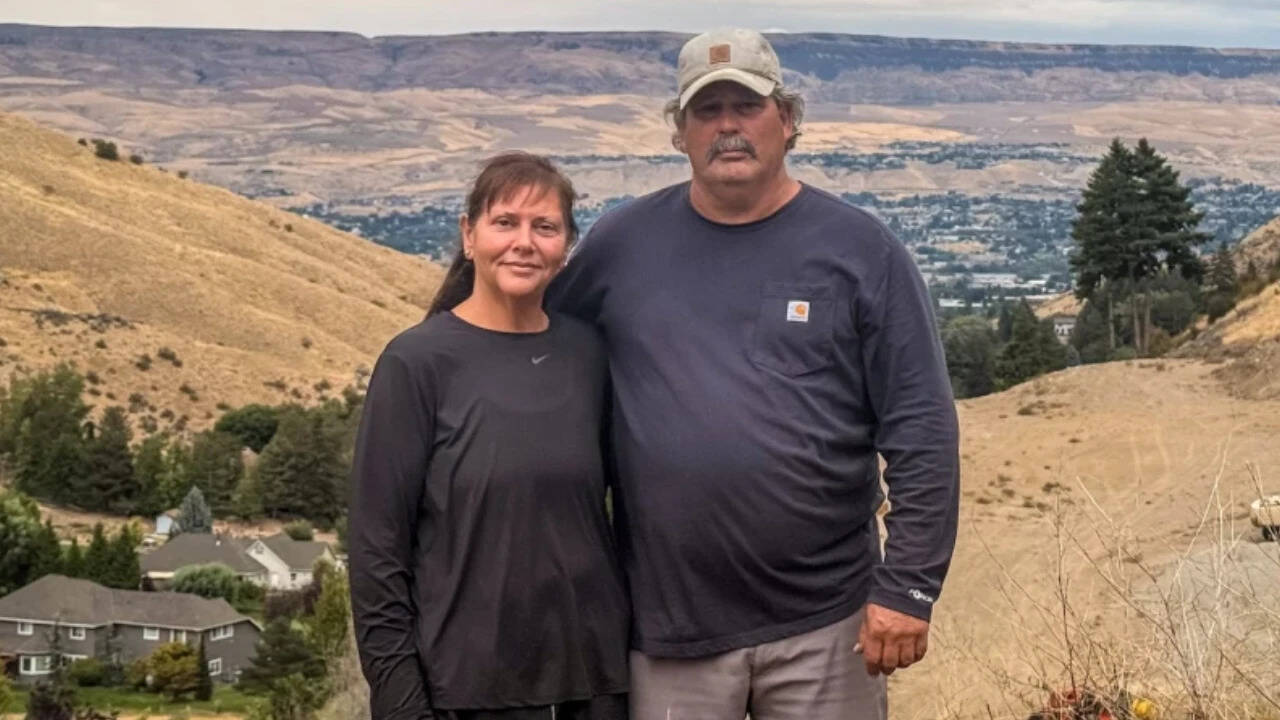
Imagine sinking five years of your life and nearly three hundred thousand dollars into building a dream home on land you legally own, only to be told you must hand over two-thirds of your property just to break ground. That is the nightmare facing Tyler and Wendy Chambers in Washington state. This story isn't just an isolated zoning dispute. It exposes a broken system where property rights clash with unchecked environmental bureaucracy.
The Reality of Modern Property Permits
Buying land used to mean you could build on it, provided you followed basic safety and zoning codes. Today, private ownership feels more like a conditional lease granted by municipal or state agencies. When the Chambers family purchased their 66-acre parcel in Chelan County back in 2021, they expected hoops to jump through. They didn't expect a financial and psychological grinder.
Instead of moving dirt and pouring concrete, their resources vanished into a black hole of paperwork. Environmental studies, spotted owl surveys, wildlife habitat assessments, and engineering reviews piled up. Every single cleared hurdle revealed another hidden gatekeeper demanding more time, more fees, and more specialized consultants.
How Permitting Turns Into Extortion
When regulatory compliance drags on for years, costs compound quietly. You pay for architectural revisions, traffic studies, wetland mitigations, and legal representation. For this Washington couple, the tab hit roughly $300,000 before a single foundation wall was framed.
Then came the kicker. After draining their accounts to satisfy every bureaucratic demand, local authorities or state agencies threw up a massive roadblock: a demand to surrender 44.2 acres of their 66-acre tract as a conservation or mitigation condition.
Think about those numbers. You buy 66 acres. You spend a fortune proving you won't disrupt nature. Then the government tells you that keeping your property rights requires giving up the vast majority of the land you paid for. It transforms land ownership into an Kafkaesque trap where compliance costs you the very asset you're trying to use.
The Broader Message for Property Owners
Stories like this send a chilling message to anyone hoping to build a home outside dense urban centers. If you own rural land, you assume you possess some degree of autonomy. But vague environmental rules, overextended local agencies, and subjective conservation mandates give bureaucrats infinite leverage.
When environmental protection policies become weaponized against individual homeowners, the system loses public trust. People understand the need to protect endangered species and fragile ecosystems. They don't understand paying hundreds of thousands of dollars in fees only to have their land confiscated through regulatory attrition.
If you're looking to buy vacant land or build a custom home, take a hard lesson from the Chambers ordeal. Never assume standard zoning maps tell the whole story. Talk to local land-use attorneys before you buy, budget heavily for unexpected administrative delays, and understand that local environmental overlays can completely override your deed. Property rights aren't guaranteed by a piece of paper anymore; they're defended in protracted, expensive battles against a machine that rarely blinks.