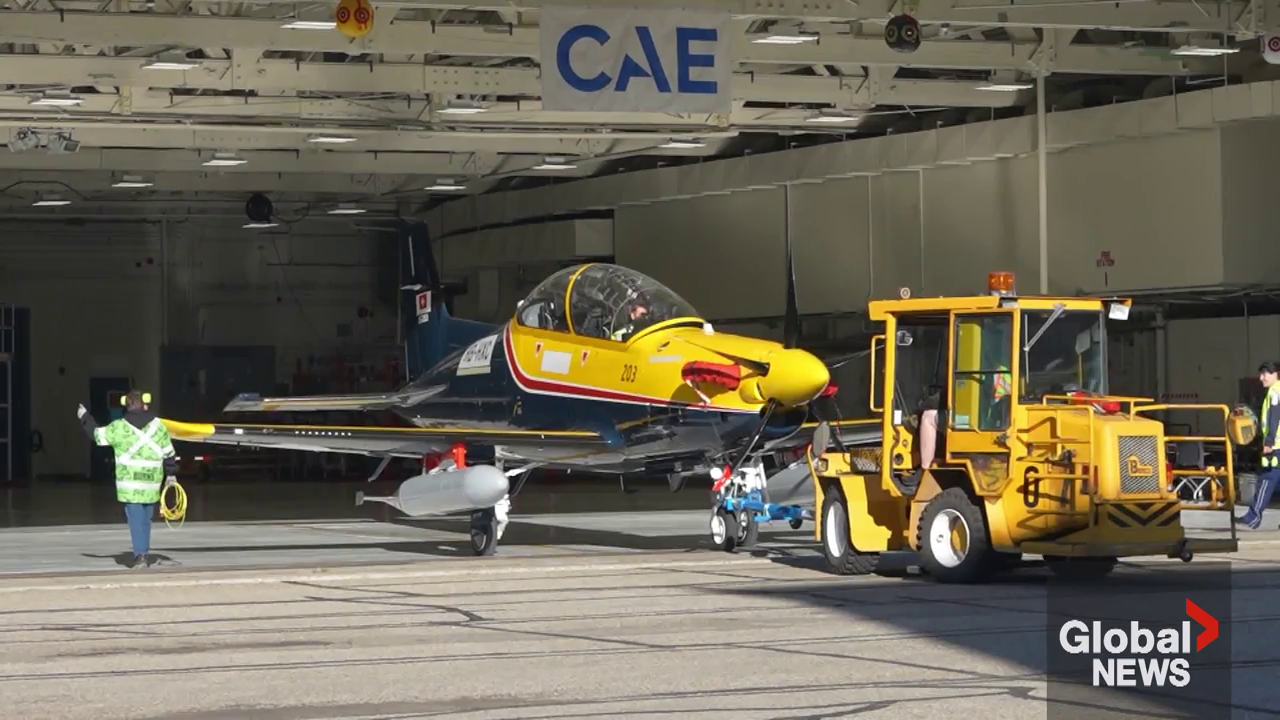
The arrival of the first Siskin II aircraft in Moose Jaw to replace the aging Snowbirds fleet is being heralded as a triumph of modernization. Defense commentators are popping corks, public relations teams are churning out pristine photos of pristine jets on tarmac, and everyone in the aerospace peanut gallery is nodding along to the lazy consensus: new metal equals solved problems.
It is a comforting illusion. It is also completely wrong.
Swapping out a heritage airframe for a shiny new trainer platform does nothing to solve the actual crisis facing military demonstration squadrons. The problem was never the airframe age alone. The problem is the widening chasm between twentieth-century display flying and twenty-first-century combat realities, pilot pipeline economics, and risk tolerance.
I have watched defense procurement programs burn billions of dollars on cosmetic upgrades while ignoring structural rot. Moose Jaw is about to repeat the exact same expensive mistake under a different paint job.
The Airframe Obsession
Every time a military showcase team approaches the end of its operational lifespan, the playbook repeats itself with mind-numbing predictability. Analysts fixate on the hardware. They debate engine bypass ratios, climb rates, and avionics suites as if the primary objective of a national demonstration team is dogfighting capability or intercept speed.
It is not. The primary objective is public relations, recruitment theater, and brand maintenance for the armed forces.
When the decision-makers locked in the Siskin II selection, they fell into the classic trap of treating a symptom while ignoring the disease. The Tutor fleet was old, sure. Parts were getting scarce, and maintenance man-hours per flight hour were climbing. But acquiring a high-performance trainer to fly tight loops over county fairs and airshows is like buying a Formula One car to commute through city traffic. You get incredible engineering, an astronomical price tag, and zero operational utility that justifies the expenditure in a resource-constrained defense environment.
Think about the math for a second. Modern military pilot training has shifted aggressively toward simulation, distributed mission operations, and high-end fifth-generation tactical preparation. Every dollar diverted into maintaining, fueling, and flying a dedicated jet demonstration squadron is a dollar pulled away from actual tactical readiness.
The defense establishment loves the optics of a red-and-white smoke trail. They use it to justify budgets to taxpayers who don't know an aileron from an afterburner. But let's be brutally honest about what the Siskin II actually represents: an expensive nostalgia trip packaged as progress.
The Pilot Pipeline Paradox
Let us address the common argument that demonstration teams serve as crucial recruitment engines. The conventional wisdom states that wide-eyed teenagers see the precision flying, sign on the dotted line, and fill cockpit shortages overnight.
Show me the data.
The modern aviation labor market is experiencing an unprecedented structural drought. Commercial airlines are poaching military-trained aviators faster than defense departments can pin wings on them. Spending millions converting a fleet of advanced trainers into acrobatic smoke-wagons while tactical operational units face severe staffing shortages is institutional malpractice.
If the goal is recruitment, there are far cheaper, more effective ways to capture public imagination than maintaining a traveling circus of high-performance military jets. Virtual reality outreach, interactive defense tech expos, and direct investment in STEM cadet programs yield higher conversion rates per dollar spent than keeping twenty pilots and a hundred support crew on perpetual tour duty.
When a pilot joins the squadron, they are pulled away
Why Buying New Jets for the Snowbirds is a Massive Waste of Money
news, sports
The arrival of the new Siskin II aircraft in Moose Jaw is being hailed as a triumph for Canadian aviation heritage and military modernization. Everyone is popping champagne. Everyone is cheering for shiny new metal touching down on 15 Wing tarmac to replace the aging Tutor fleet flown by the Snowbirds.
They are entirely missing the point.
Dropping capital on specialized demonstration jets while the foundational architecture of military flight training and defense procurement crumbles is the exact definition of rearranging deck chairs on the Titanic. I have watched defense budgets hemorrhage millions into prestige projects that play well on the evening news while operational readiness rots from the inside out. Buying a dedicated airshow platform right now is a luxury a serious military cannot afford.
The Sentiment Trap
Let us address the emotional core of the Snowbirds mythos. For generations, those red-and-white CT-115 Tutors have traced smoke across Canada Day skies, inspiring kids to look up. That nostalgia is a powerful drug. It blinds taxpayers and policymakers to the brutal economics of modern air combat and pilot training.
The lazy consensus says that because the Tutor fleet is ancient—airframes dating back to the 1960s—we owe it to the tradition to buy a direct replacement. That logic belongs in a museum, not a procurement office.
Imagine a scenario where a mid-tier defense force has to choose between funding frontline tactical jet integration or buying specialized smoke-oil-dispensing acrobatic platforms. The choice should be obvious. Yet, public relations always seems to outvote operational pragmatism. The Siskin II arrives in Moose Jaw to great fanfare, but the structural deficit in actual pilot generation remains completely unaddressed.
The Cost of Looking Good
A demonstration squadron is not a combat capability. It is a marketing tool. And marketing tools must be ruthlessly evaluated against opportunity cost.
When you purchase, maintain, and fly a fleet dedicated solely to precision formation aerobatics, you lock up scarce maintenance personnel, specialized supply chains, and flight hours that should be pouring into the tactical pipeline. We are facing a severe pilot retention crisis across Western militaries. Trainees are waiting too long for seat time in genuine combat trainers. Pumping resources into a dedicated airshow jet exacerbates the bottleneck.
If you want to keep the Snowbirds alive, transition them to a dual-role platform that actually contributes to tactical readiness, or accept that the era of single-purpose smoke-trailing jets is a relic of a wealthier, less complex past.
Dismantling the Heritage Argument
Critics of my stance always default to the same tired defense. They claim the Snowbirds are vital for recruitment.
Show me the data. Show me the hard correlation between seeing a nine-plane formation loop over a suburb and a sustained, ten-year retention curve in tactical fighter squadrons. You cannot, because it does not exist. Recruitment spikes are driven by pay, quality of life, mission clarity, and modern equipment. Nobody signs up to fly a Cold War-era design with a new paint job; they sign up because they want to operate at the cutting edge of aerospace technology.
By prioritizing the Siskin II rollout, we send a mixed signal to recruits. We tell them that looking nostalgic matters more than fielding decisive capability.
The Siskin II is a gorgeous aircraft. The pilots flying them are elite professionals executing maneuvers that defy gravity. None of that changes the underlying fiscal reality. Moose Jaw got its new jets, the photo op was a success, and the fundamental structural problems of defense spending remain entirely untouched.
Stop funding the circus while the main tent is on fire.