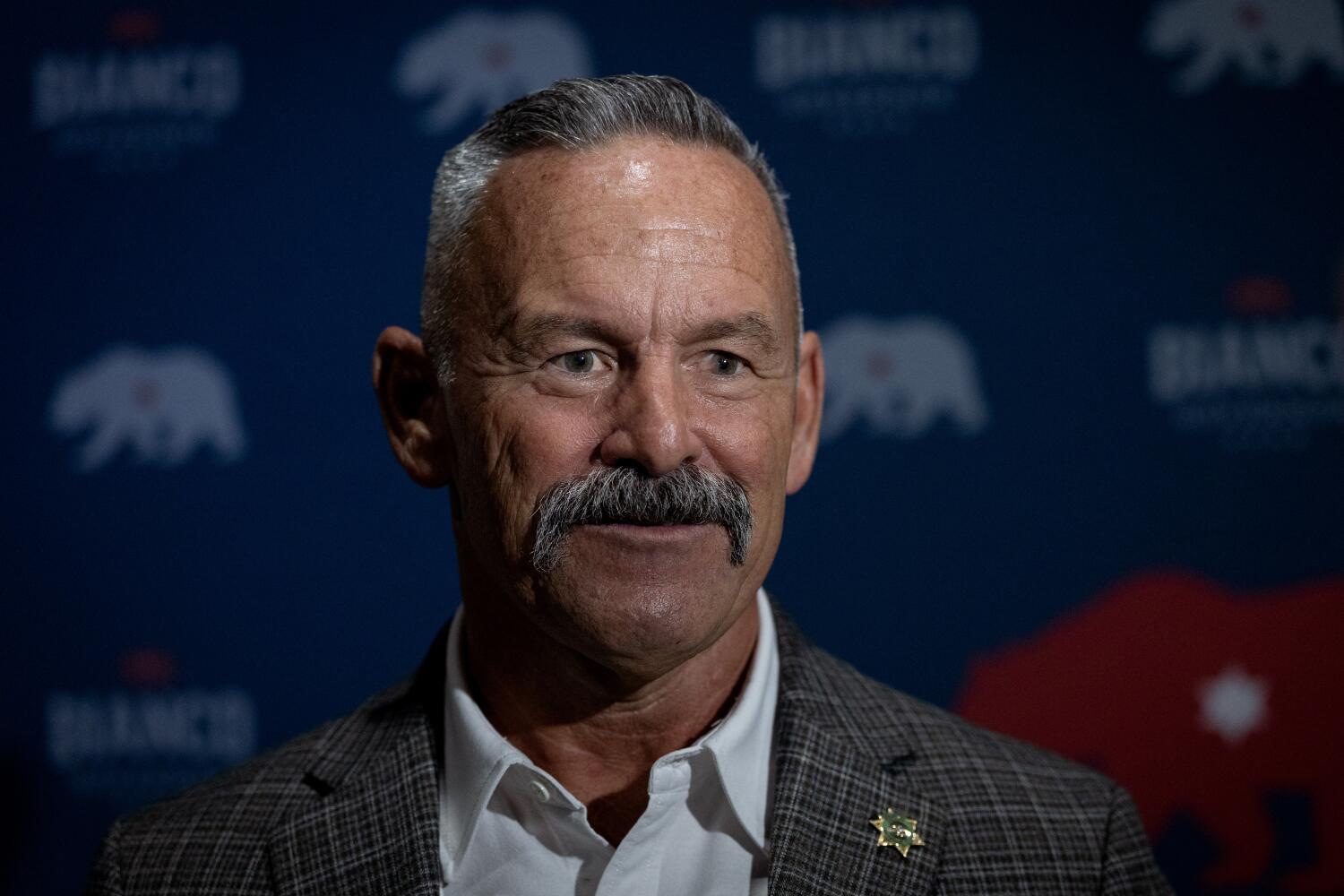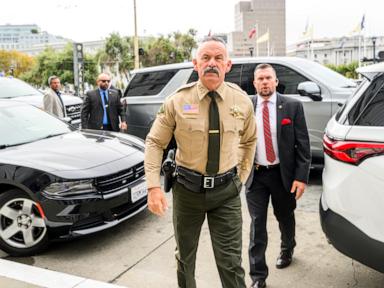
When a local law enforcement official decides to confiscate roughly 650,000 ballots, normal rules of governance fly out the window. That is exactly what happened when Riverside County Sheriff Chad Bianco seized boxes of election materials following a special election.
Now, the California Supreme Court is stepping in to decide whether a sheriff can police the ballot box. During oral arguments in San Francisco, the state's highest court signaled deep skepticism toward the sheriff's sprawling legal defense. The final ruling will fundamentally alter the boundaries of law enforcement power during elections.
The Spark Behind the Seizure
The controversy traces back to a special election involving Proposition 50, a redistricting measure that reshaped congressional maps. Local activists claimed a discrepancy existed between preliminary intake forms and the final certified vote count. They alleged a massive vote undercount of over 45,000 ballots.
County election administrators tried to explain that intake logs and final certified counts use different metrics and do not represent an apples-to-apples comparison. The actual discrepancy was minimal.
Sheriff Bianco ignored local election officials. Backed by a local judge's warrant, his deputies hauled off roughly 1,000 boxes containing around 650,000 ballots. The move occurred while Bianco mounted a run for governor, instantly thrusting local election administration into the center of a nationalized political storm.
The Legal Showdown in San Francisco
Two separate lawsuits brought the issue before the state supreme court. The first came from Riverside County voters represented by groups like the UCLA Voting Rights Project. They demanded the immediate return of their ballots. The second case came directly from California Attorney General Rob Bonta. Bonta argued that the sheriff completely lacked the legal authority to seize election materials and defied direct state orders to halt the probe.
During the hearing, Supreme Court justices aggressively questioned Bianco's attorney, Bradley Hertz. Justice Kelli Evans pointed out explicit statutory language stating that election packets and their contents must remain in the custody of elections officials. Justice Joshua Groban raised scenarios asking whether the sheriff's logic would allow law enforcement to seize ballots even before Election Day based on broad warrant powers.
The court's tone suggested that sweeping law enforcement interventions into election custody violate statutory frameworks designed to keep policing separate from vote counting.
What Happens Next for California Elections
The implications stretch far beyond Riverside County. State lawmakers didn't waste time while the litigation wound its way through the courts. Governor Gavin Newsom signed legislation making it explicitly illegal for local election officials to hand over ballots to law enforcement agents.
The California Supreme Court expects to issue its official ruling within ninety days. Expect the court to heavily restrict the ability of local sheriffs to use criminal investigative warrants to override election administrators. If you follow election integrity and state powers, this ruling sets a hard ceiling on local policing jurisdiction over ballots. Check your local county registrar updates for the final mandate release.